Rough Idle: Causes, Symptoms & How to Fix
Rough Idle: Causes, Symptoms & How to Fix
Rough idle in a vehicle can be a frustrating issue that affects the overall performance and drivability. It can be caused by a variety of factors, and understanding the symptoms and how to fix them is crucial for maintaining your car’s health. In this review, we will delve into the causes, symptoms, and solutions for rough idle in your vehicle.
Common Causes of Rough Idle
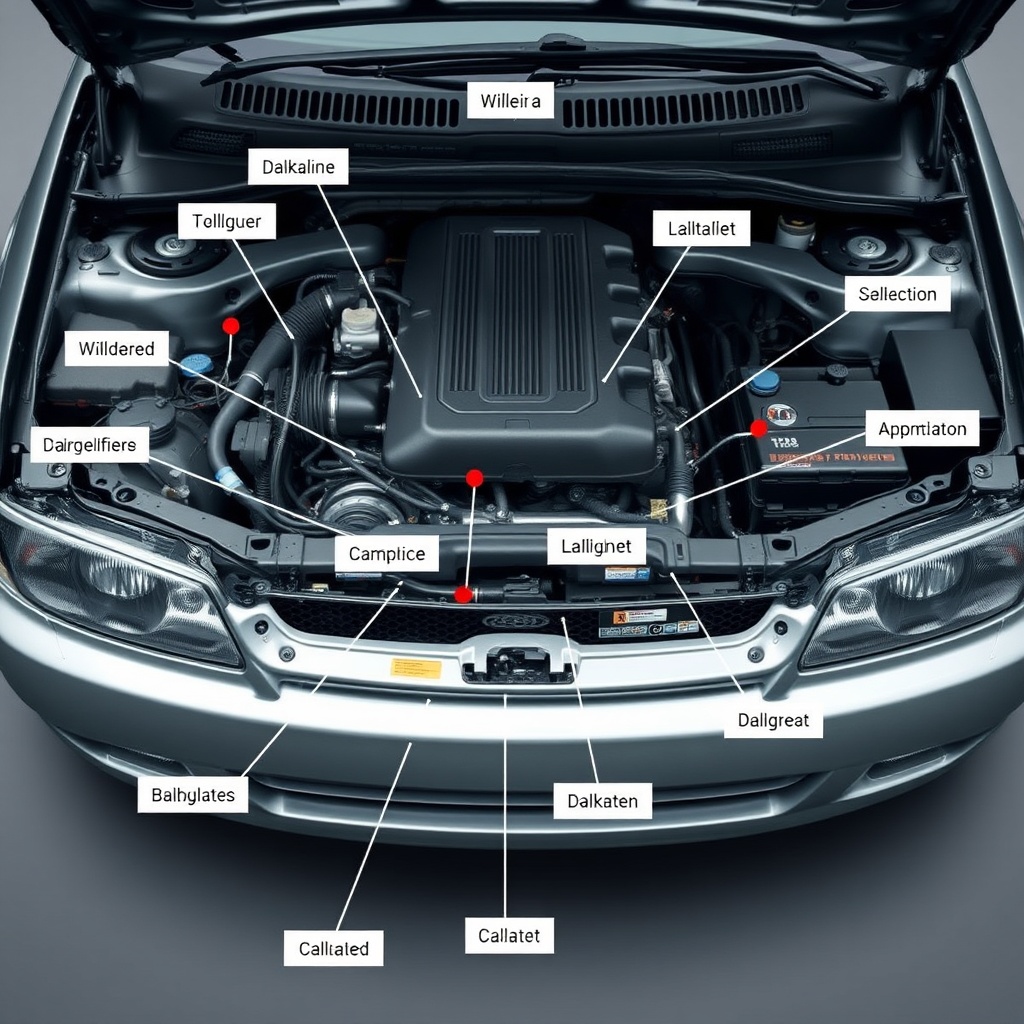
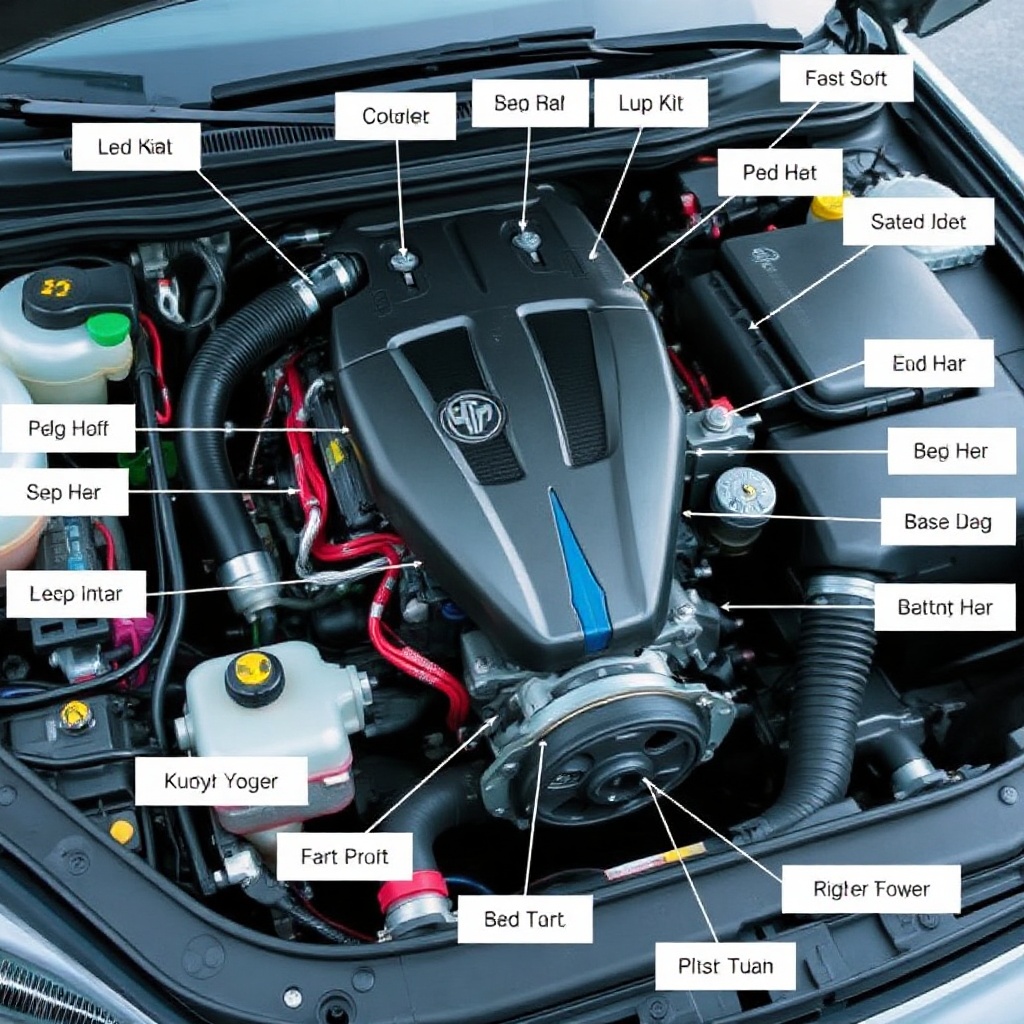
One of the most common causes of rough idle is a dirty or clogged air filter. When the air filter is not clean, it can restrict airflow to the engine, leading to a rough idle. Another possible cause is a malfunctioning oxygen sensor, which can affect the air-fuel mixture and result in rough idling. Additionally, issues with the spark plugs, fuel injectors, or ignition coils can also contribute to rough idle.
Symptoms of Rough Idle
There are several symptoms that can indicate your vehicle is experiencing rough idle. One of the most noticeable signs is a shaky or vibrating steering wheel when the car is idling. You may also hear unusual noises coming from the engine, such as knocking or ticking sounds. In some cases, the check engine light may illuminate on the dashboard, indicating a problem with the engine’s performance.
How to Diagnose Rough Idle
Diagnosing the root cause of rough idle requires a systematic approach. Start by checking the air filter to see if it is dirty or clogged. Inspect the oxygen sensor for any signs of damage or malfunction. Test the spark plugs, fuel injectors, and ignition coils to ensure they are functioning properly. If necessary, use a diagnostic tool to scan for error codes that can pinpoint the issue with the engine.
Solutions for Rough Idle
Once you have identified the cause of rough idle in your vehicle, it’s time to implement the necessary solutions. Start by replacing the air filter if it is dirty or clogged. Replace any malfunctioning oxygen sensors, spark plugs, fuel injectors, or ignition coils. Clean the throttle body and intake manifold to improve airflow to the engine. Lastly, reset the engine control unit (ECU) to clear any error codes and recalibrate the engine’s performance.
Maintenance Tips for Preventing Rough Idle
To prevent rough idle in the future, follow these maintenance tips. Regularly replace the air filter and spark plugs to ensure optimal engine performance. Use high-quality fuel and fuel additives to keep the fuel system clean and prevent clogs. Schedule routine inspections with a qualified mechanic to catch any issues early on and prevent rough idle from occurring.
Conclusion
In conclusion, rough idle can be a frustrating issue that affects the performance of your vehicle. By understanding the causes, symptoms, and solutions for rough idle, you can effectively diagnose and address the issue. Follow the maintenance tips provided to prevent rough idle from occurring in the future and keep your car running smoothly.