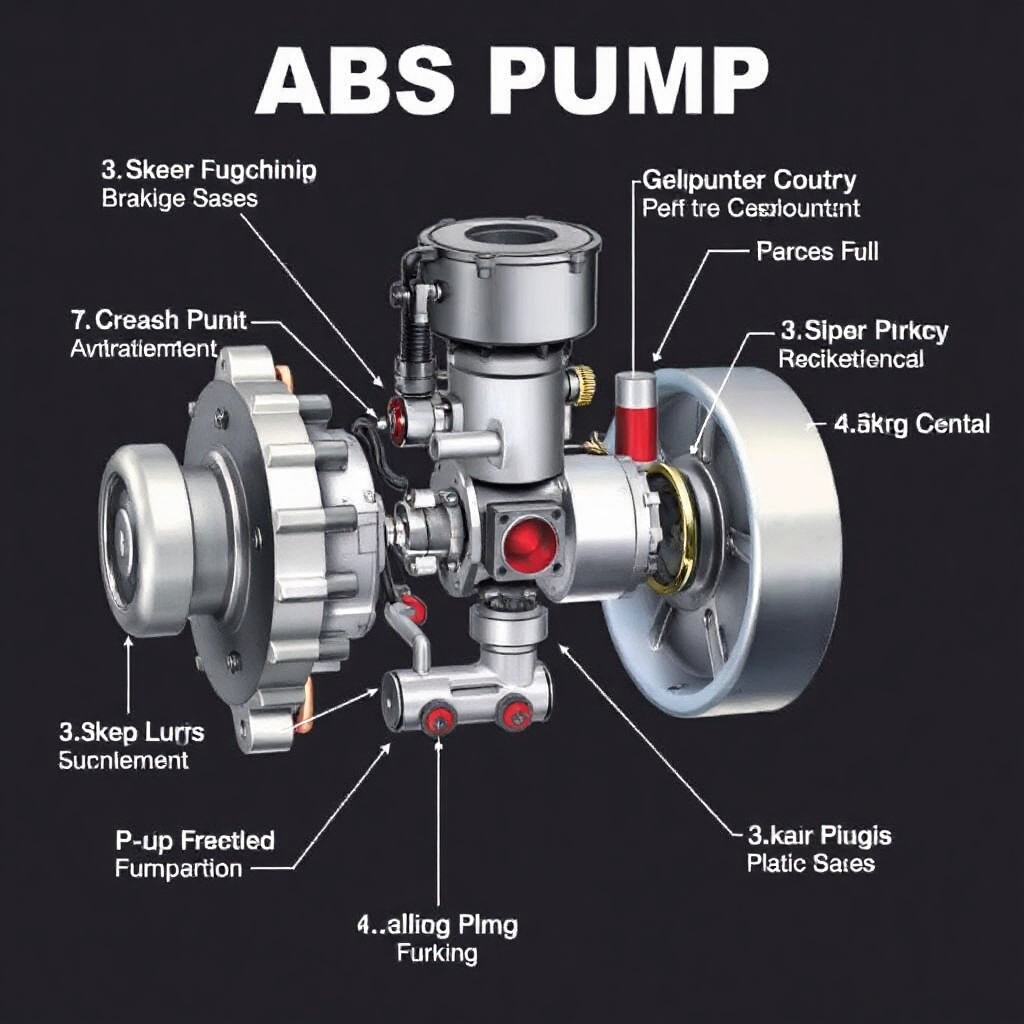
C0161 Code: ABS/TCS Brake Switch Circuit Malfunction
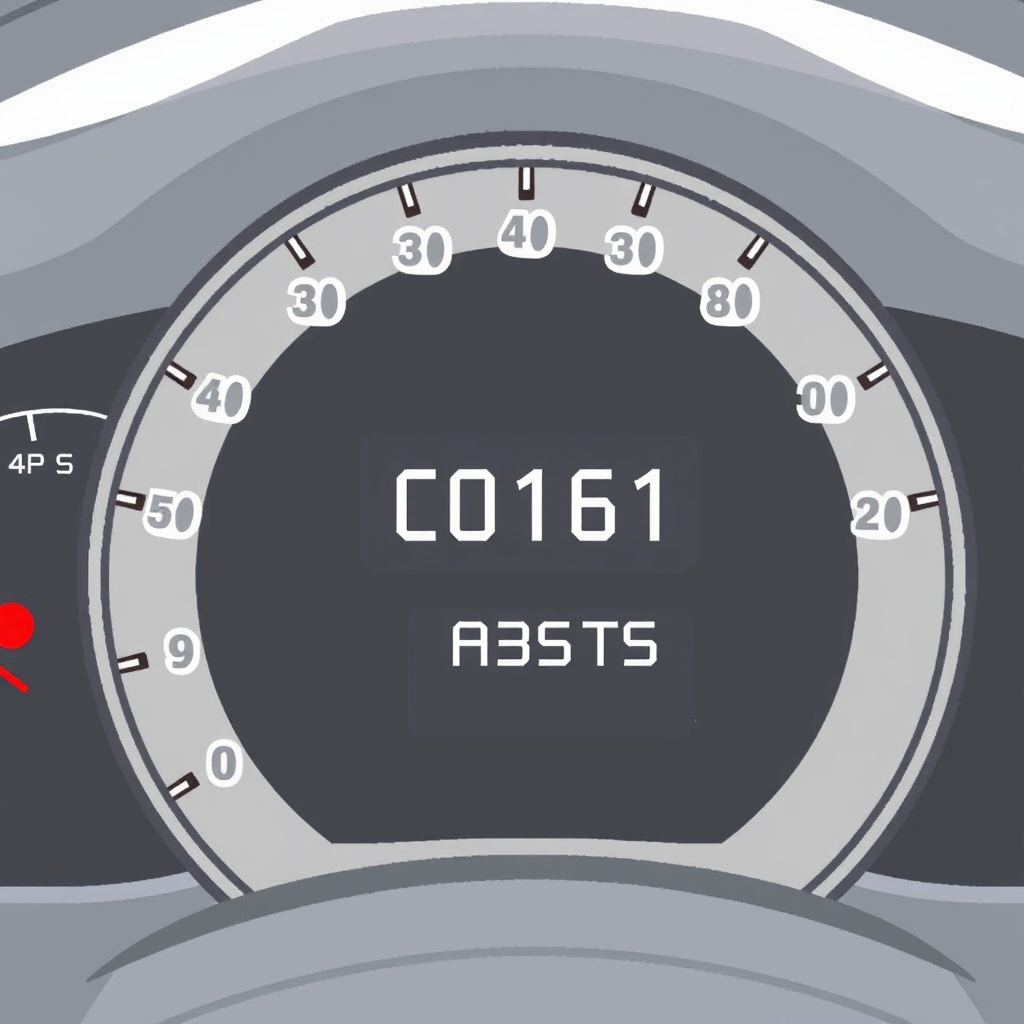
Are you tired of seeing the C0161 Code: ABS/TCS Brake Switch Circuit Malfunction on your car’s dashboard? Well, fear not, because we are here to guide you through this pesky issue with a touch of humor and a lot of useful information.
The Basics of the C0161 Code
Let’s start by breaking down what the C0161 Code actually means. This code indicates a malfunction in the ABS/TCS Brake Switch Circuit, which is responsible for detecting when the brake pedal is pressed. Without this crucial information, your car’s anti-lock braking system and traction control system may not function properly.
Checking the Brake Switch
The first step in resolving the C0161 Code is to check the brake switch itself. This switch is located near the brake pedal and is responsible for sending a signal to the ABS and TCS systems when the pedal is pressed. Make sure the switch is properly connected and functioning correctly to rule out any issues.
Inspecting the Wiring
If the brake switch seems to be in working order, the next step is to inspect the wiring connected to it. Over time, wiring can become damaged or corroded, leading to a poor connection. Check for any visible damage or signs of wear and tear in the wiring and replace as needed.
Resetting the Code
In some cases, simply resetting the C0161 Code may resolve the issue. Use an OBD-II scanner to clear the code from your car’s system and see if it reappears. If the code persists, it may be indicative of a more serious underlying problem that requires further investigation.
Seeking Professional Help
If all else fails and you’re still seeing the C0161 Code on your dashboard, it may be time to seek the help of a professional mechanic. They will have the tools and expertise to diagnose the exact cause of the issue and make the necessary repairs to get your ABS and TCS systems back in working order.
Avoiding Future Issues
To prevent the C0161 Code from reappearing in the future, make sure to regularly maintain your car’s brake system. Keep an eye on the brake fluid levels, check for any leaks, and replace worn-out components as needed. By staying proactive, you can avoid costly repairs down the line.