ABS Light On: Causes, Diagnosis & How to Fix It
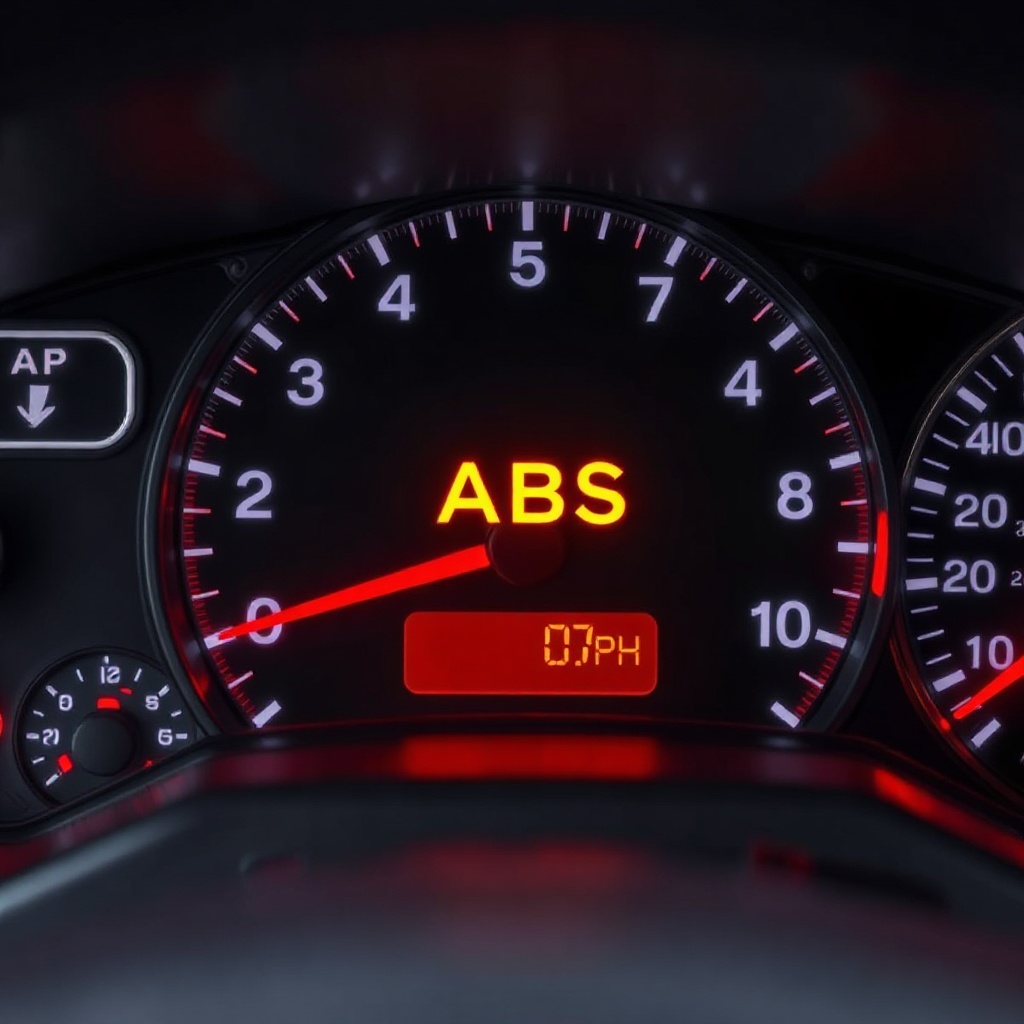
Have you ever experienced the ABS light on your car dashboard turning on? This can be a cause for concern for many drivers, as it indicates a potential issue with the Anti-lock Braking System (ABS) of the vehicle. In this article, we will explore the possible causes of the ABS light turning on, how to diagnose the problem, and ways to fix it.
Common Causes of ABS Light On
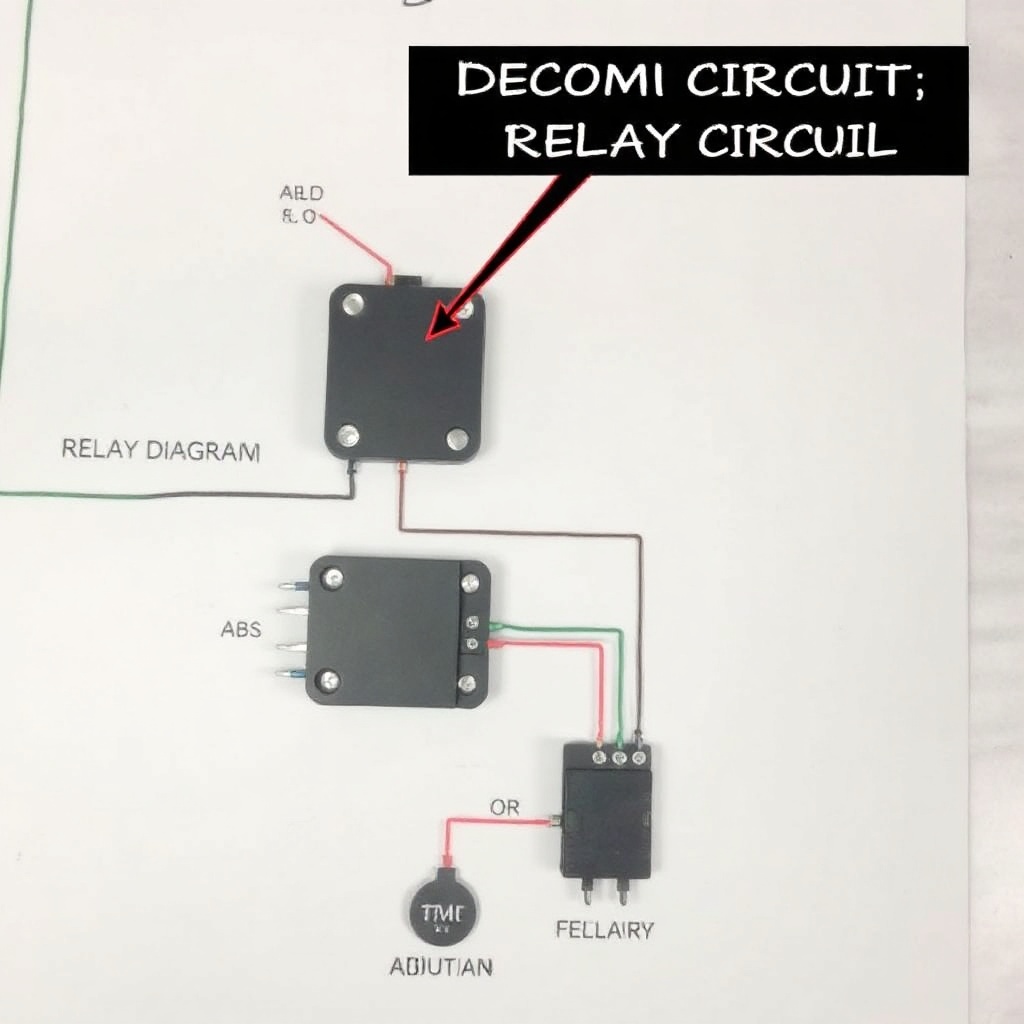
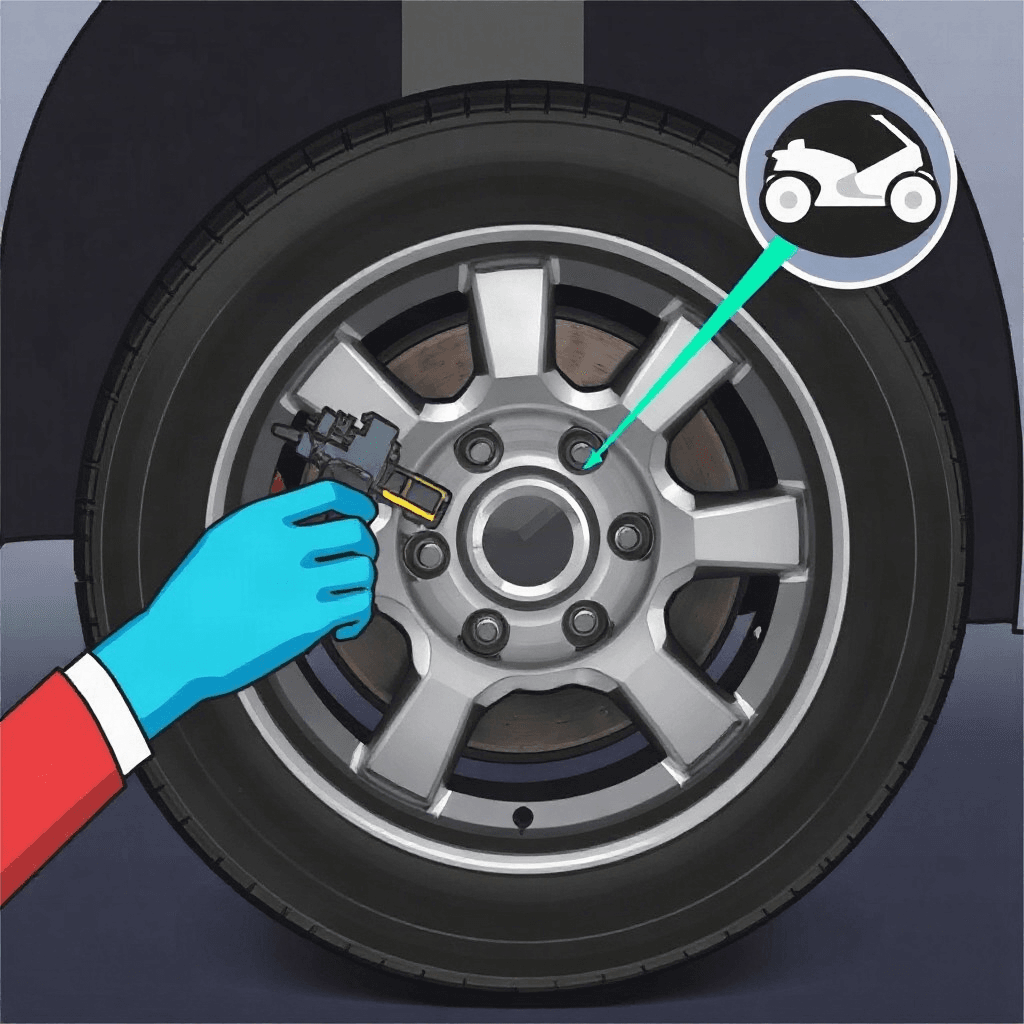
One of the most common reasons for the ABS light to turn on is a faulty wheel speed sensor. This sensor is responsible for monitoring the speed of each wheel and sending this information to the ABS control module. If the sensor is malfunctioning or damaged, it can trigger the ABS light to illuminate. Other possible causes include a faulty ABS control module, low brake fluid levels, or a problem with the ABS pump.
Diagnosing the Issue
When the ABS light turns on, it is important to diagnose the issue promptly to ensure the safety and functionality of the braking system. One way to diagnose the problem is to use an OBD-II scanner to retrieve the error codes stored in the ABS control module. These codes can provide valuable information about the specific issue that is causing the ABS light to illuminate. Additionally, a visual inspection of the wheel speed sensors and ABS components can help identify any visible signs of damage or wear.
Fixing the Problem
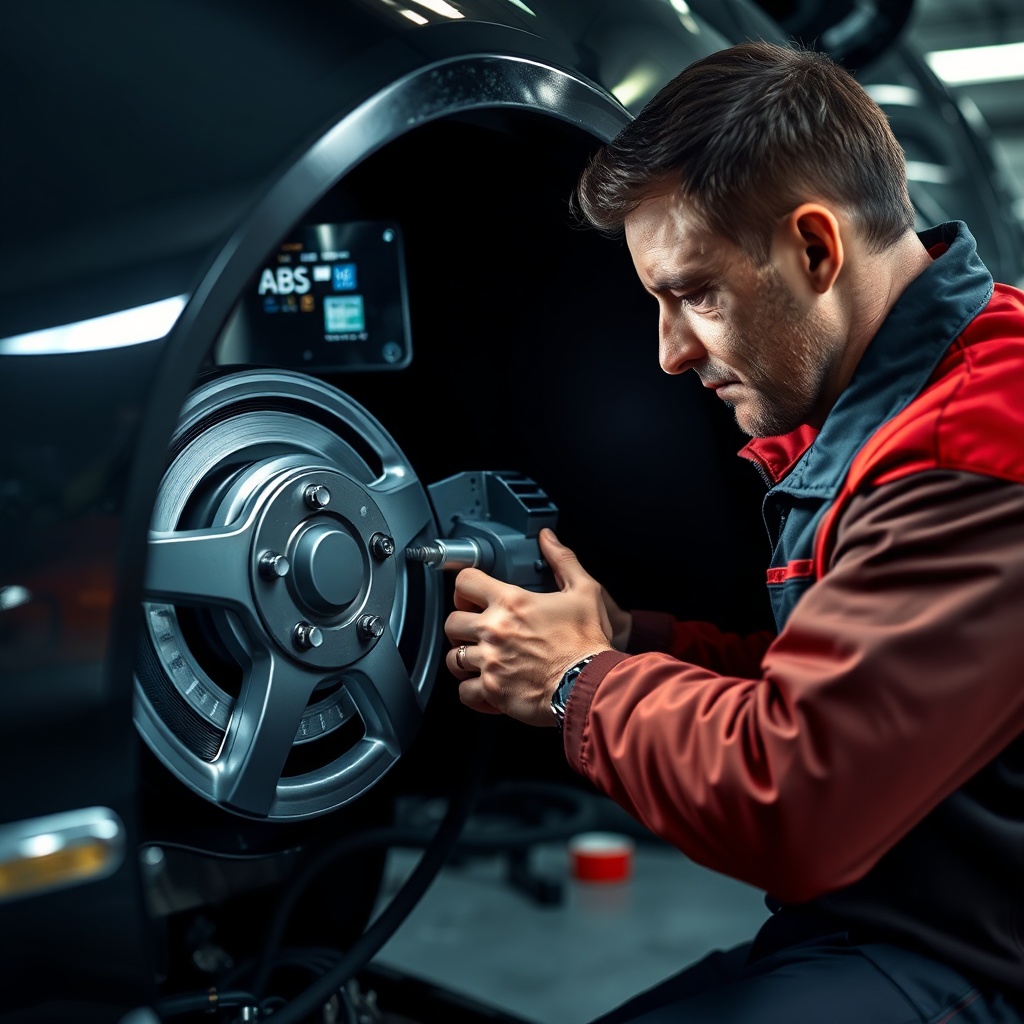
Once the issue has been diagnosed, it is essential to take the necessary steps to fix the problem and reset the ABS light. Depending on the root cause of the issue, the solution may involve replacing a faulty wheel speed sensor, repairing the ABS control module, or addressing any other underlying issues. It is recommended to consult with a professional mechanic or automotive technician for proper diagnosis and repair of the ABS system.
Importance of Addressing ABS Issues
Ignoring the ABS light on your dashboard can have serious consequences for the safety and performance of your vehicle. The ABS system plays a crucial role in preventing wheel lock-up during sudden braking, which can help maintain steering control and reduce the risk of skidding or accidents. By addressing ABS issues promptly and effectively, you can ensure the proper functioning of this vital safety feature in your vehicle.
Tips for Preventing ABS Problems
To prevent potential ABS issues and avoid the hassle of dealing with the ABS light turning on, it is important to follow a regular maintenance schedule for your vehicle. This includes checking and maintaining proper brake fluid levels, inspecting the wheel speed sensors and ABS components for any signs of wear or damage, and addressing any unusual noises or vibrations during braking promptly. By staying proactive with your vehicle maintenance, you can help prevent ABS problems and ensure the safety and reliability of your braking system.