How to Test a Wheel Speed Sensor With a Multimeter
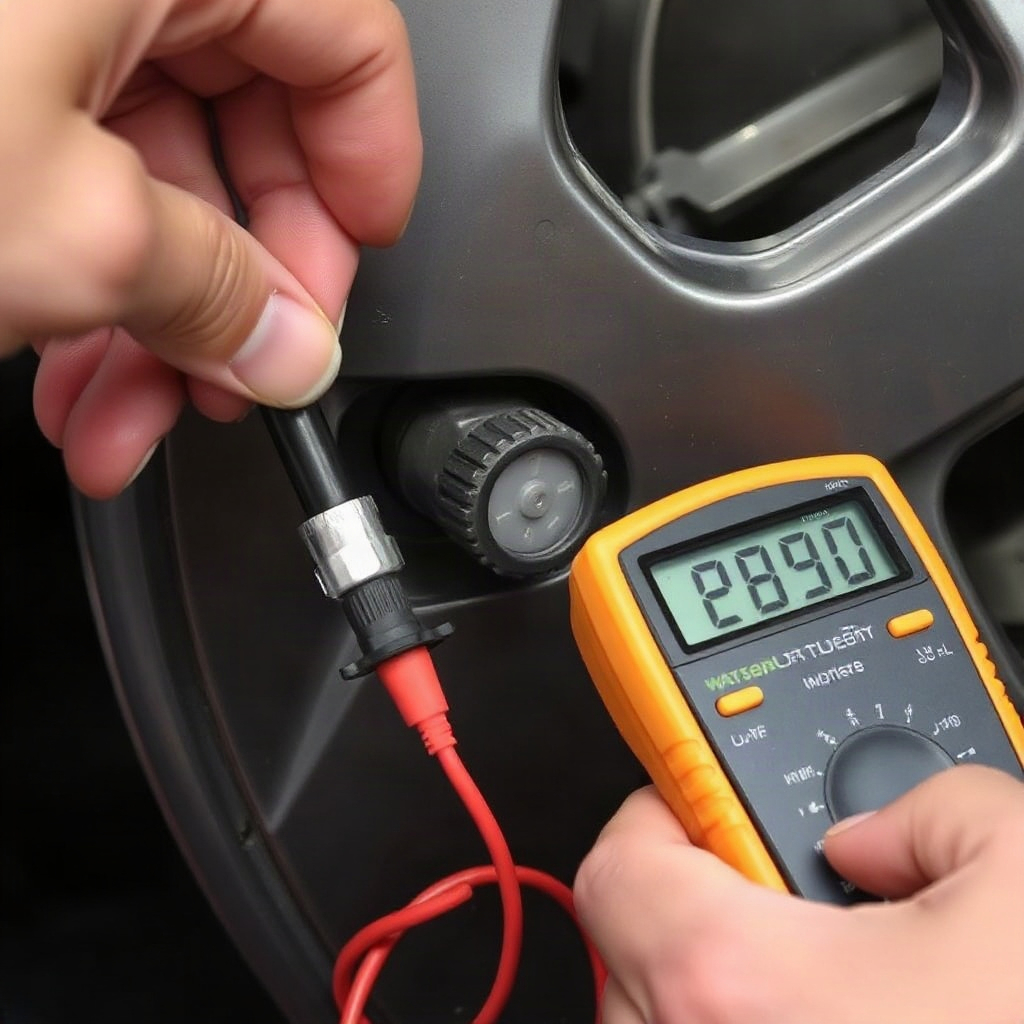
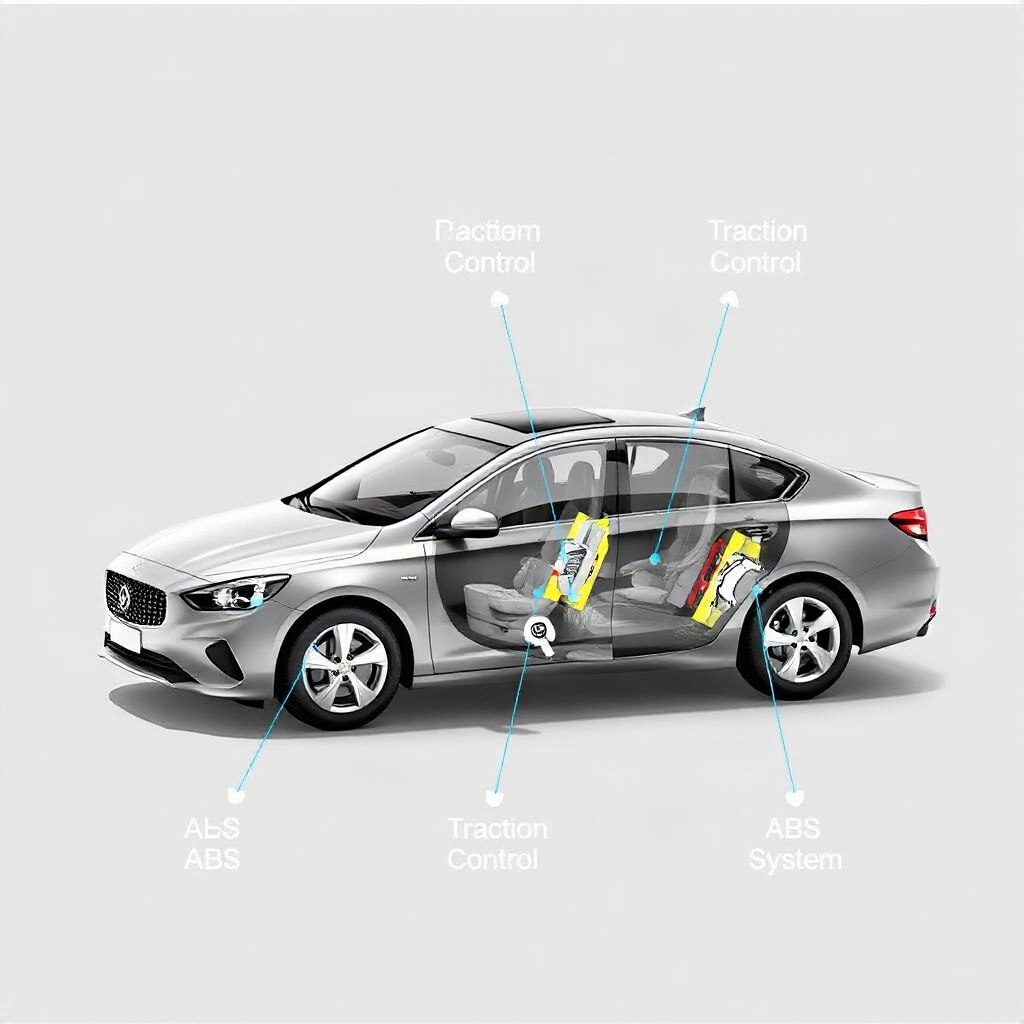
Wheel speed sensors are crucial components of a vehicle’s anti-lock braking system (ABS) and traction control system. These sensors help monitor the speed of each wheel and provide essential data for these safety systems to function properly. In this article, we will discuss how to test a wheel speed sensor using a multimeter.
Understanding Wheel Speed Sensors
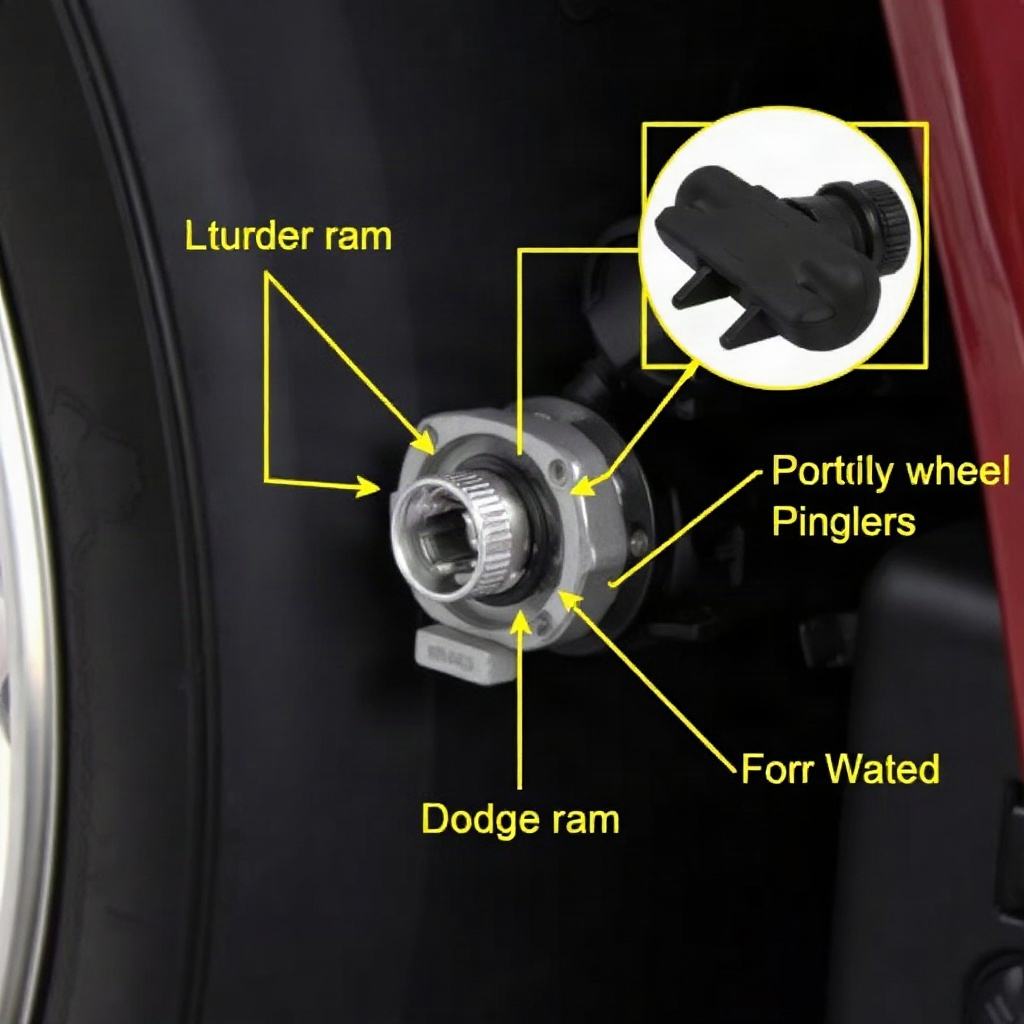
Wheel speed sensors are typically located near the wheels and use a magnetic field to detect the speed at which the wheels are turning. There are two main types of wheel speed sensors: active sensors, which require an external power source, and passive sensors, which generate their own power. It’s important to know the type of sensor your vehicle has before performing any tests.
Tools and Equipment Needed
Before testing a wheel speed sensor, you will need a few tools and equipment, including a multimeter, a jack and jack stands, a digital oscilloscope (if available), and the vehicle’s service manual. Make sure to read the service manual thoroughly to understand the specific testing procedures for your vehicle.
Testing the Wheel Speed Sensor
1. Start by lifting the vehicle using a jack and securing it with jack stands. Make sure the vehicle is safely elevated before proceeding.
2. Locate the wheel speed sensor near the wheel hub. Depending on the vehicle, the sensor may be mounted on the steering knuckle, the brake caliper, or the suspension arm.
3. Disconnect the electrical connector from the sensor. Use the multimeter to check the resistance of the sensor. A healthy sensor should have a specific resistance value within the manufacturer’s specifications.
4. If the resistance value is within the acceptable range, proceed to check the sensor’s output voltage using the multimeter or a digital oscilloscope. The sensor should generate an AC voltage signal as the wheel rotates.
5. Compare the sensor’s output voltage to the manufacturer’s specifications. A consistent and smooth voltage signal indicates a functioning sensor.
6. If the sensor fails any of the tests, it may be faulty and require replacement. Consult the vehicle’s service manual for the correct sensor replacement procedure.
Tips and Precautions
– When testing a wheel speed sensor, make sure the sensor and surrounding components are clean and free of debris.
– Avoid using excessive force when disconnecting the sensor’s electrical connector to prevent damage.
– Follow the manufacturer’s guidelines and safety precautions when testing and replacing wheel speed sensors.
By following these steps and using a multimeter to test your vehicle’s wheel speed sensor, you can ensure that your ABS and traction control systems are functioning correctly. Regular maintenance and testing of wheel speed sensors are essential for safe and reliable vehicle operation.