Lost Communication With ECM: Causes, Symptoms & Fix

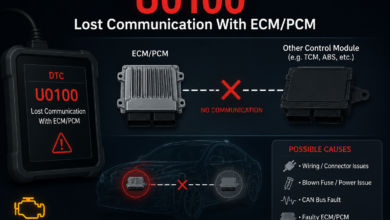
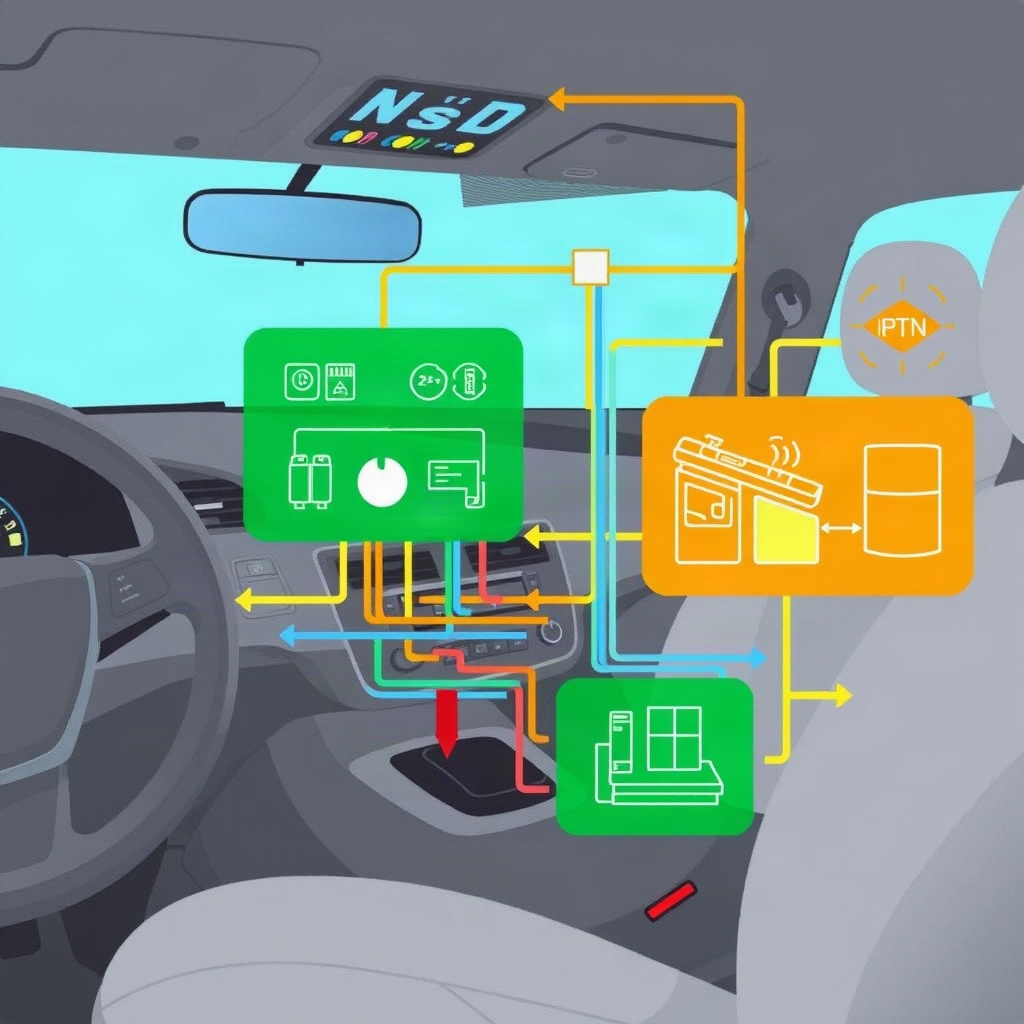
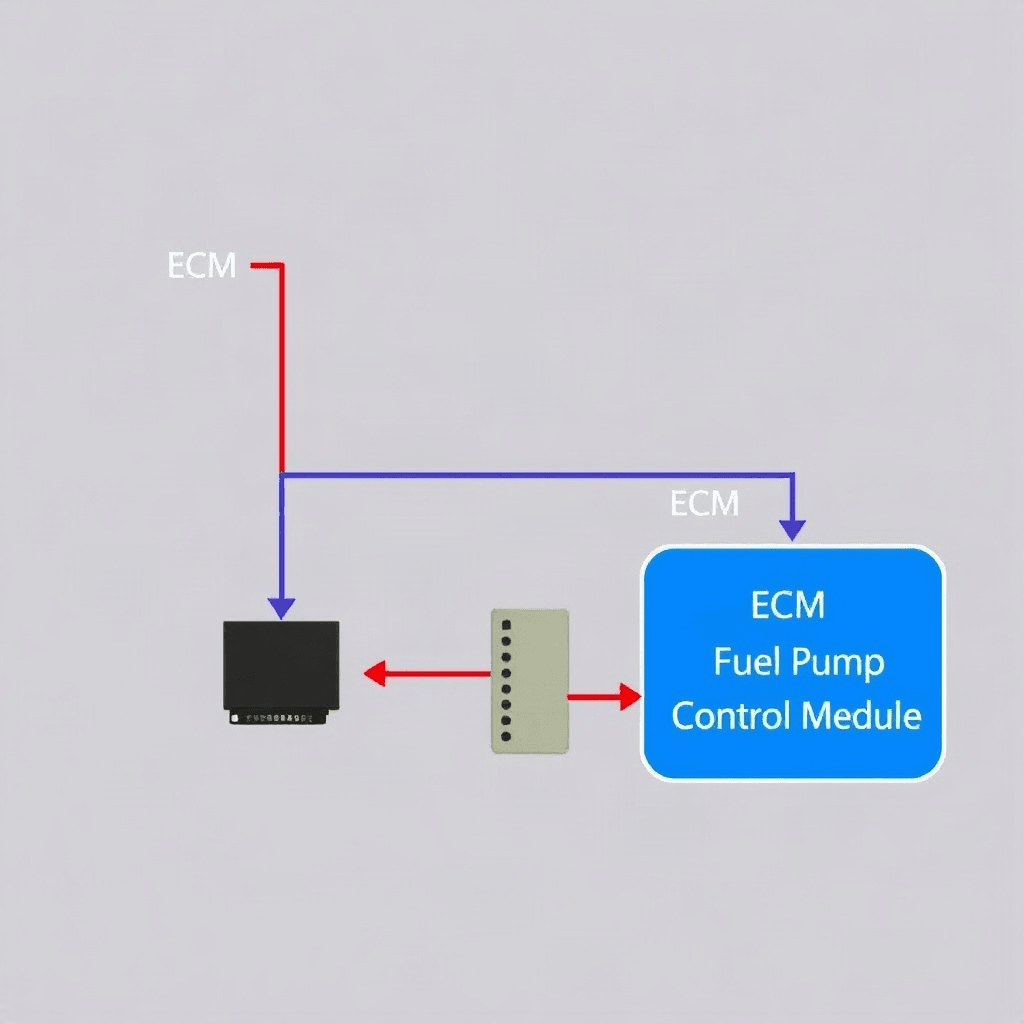
Communication between a vehicle’s Engine Control Module (ECM) and other components is crucial for the proper functioning of the vehicle. When there is a loss of communication with the ECM, it can lead to various issues that affect the performance and safety of the vehicle. In this review, we will explore the causes, symptoms, and fixes for lost communication with ECM.
Common Causes of Lost Communication
One of the primary reasons for lost communication with the ECM is a faulty wiring harness. The wires that connect the ECM to various sensors and actuators can become damaged over time, leading to a loss of signal. Additionally, corrosion or loose connections can also interrupt the communication between the ECM and other components.
Symptoms of Lost Communication with ECM
When there is a loss of communication with the ECM, the vehicle may exhibit a range of symptoms. These can include engine misfires, stalling, rough idling, and a decrease in fuel efficiency. The check engine light may also illuminate, indicating that there is a problem with the ECM or its communication with other components.
Diagnostic Procedures
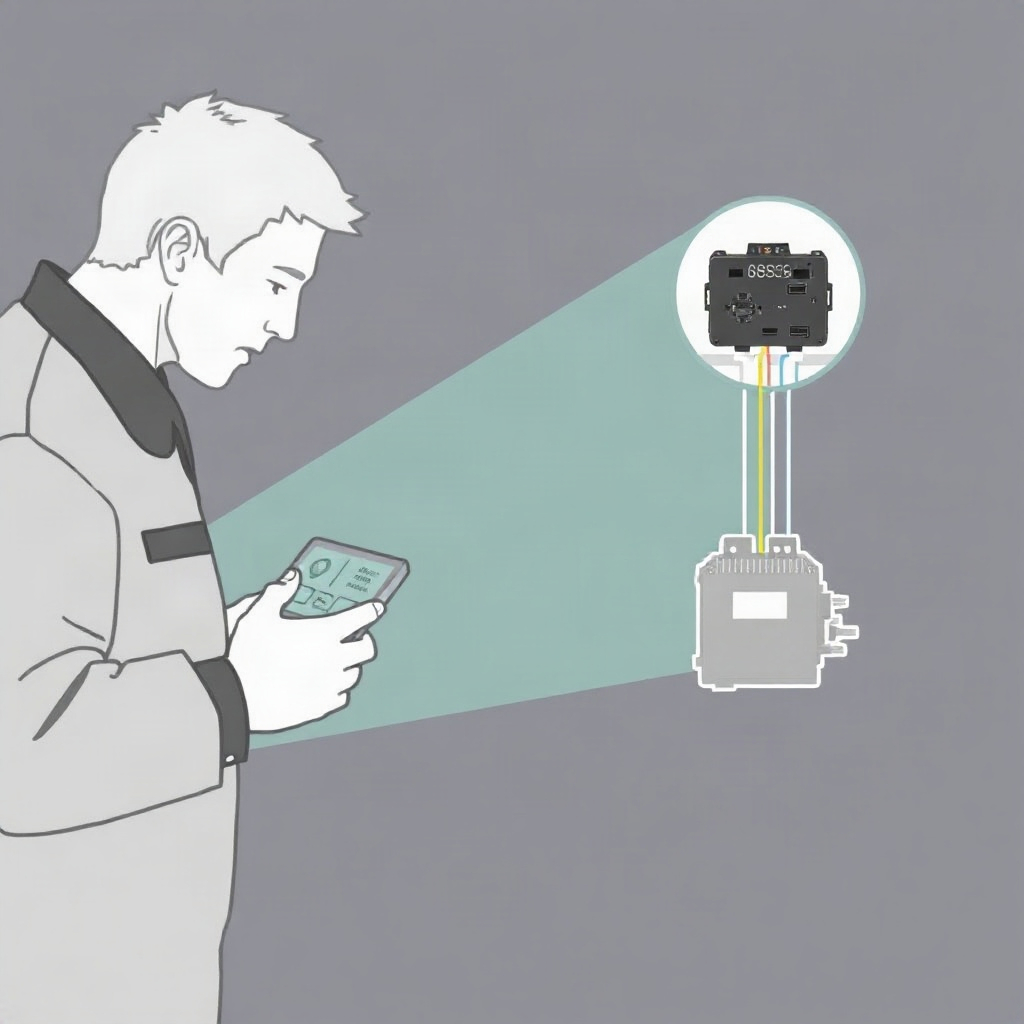
Diagnosing a lost communication with the ECM can be challenging, as it requires specialized equipment and knowledge. A scan tool can be used to retrieve fault codes from the ECM, which can provide valuable insights into the issue. Additionally, a visual inspection of the wiring harness and connectors can help identify any physical damage that may be causing the communication loss.
Fixing Lost Communication with ECM
Once the cause of the lost communication has been identified, the necessary repairs can be made. This may involve repairing or replacing damaged wiring harnesses, cleaning corroded connectors, or tightening loose connections. In some cases, reprogramming the ECM may also be necessary to restore communication with the vehicle’s components.
Preventing Future Communication Loss
To prevent future instances of lost communication with the ECM, regular maintenance is key. Inspecting the wiring harness and connectors for signs of wear or damage can help identify potential issues before they escalate. Additionally, using high-quality components and following manufacturer recommendations for vehicle maintenance can help ensure the ECM and other components function properly.
Conclusion
Lost communication with the ECM can have serious consequences for the performance and safety of a vehicle. By understanding the causes, symptoms, and fixes for this issue, vehicle owners can take proactive steps to address communication loss and prevent future issues. Regular maintenance and timely repairs are essential in ensuring the ECM and other components work together seamlessly for optimal vehicle performance.