How to Fix Transmission Slipping: Causes & Solutions
Transmission slipping can be a frustrating and potentially dangerous issue for any vehicle owner. When your transmission slips, it can lead to a lack of power, difficulty shifting gears, and even complete transmission failure if not addressed promptly. In this article, we will explore the causes of transmission slipping and provide expert solutions to fix this common problem.
Understanding Transmission Slipping
Transmission slipping occurs when the gears in your transmission fail to engage properly, resulting in a loss of power and performance. This can manifest as a delay in acceleration, a high-pitched whining noise, or a sensation of the engine revving without a corresponding increase in speed.
Common Causes of Transmission Slipping
There are several common reasons why your transmission may be slipping. One possible cause is low transmission fluid, which can lead to overheating and increased friction between moving parts. Another common issue is worn or damaged transmission bands or clutches, which can prevent the gears from engaging properly.
Diagnosing Transmission Slipping
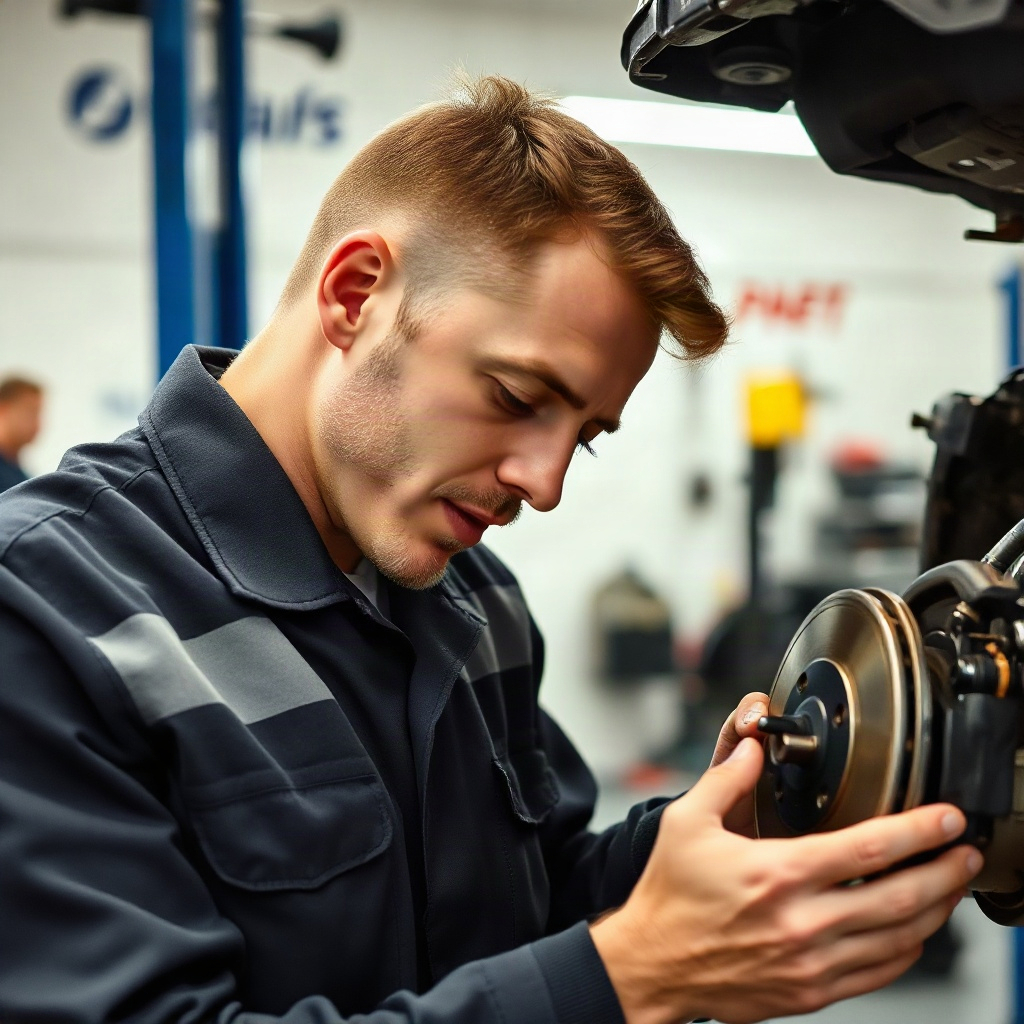
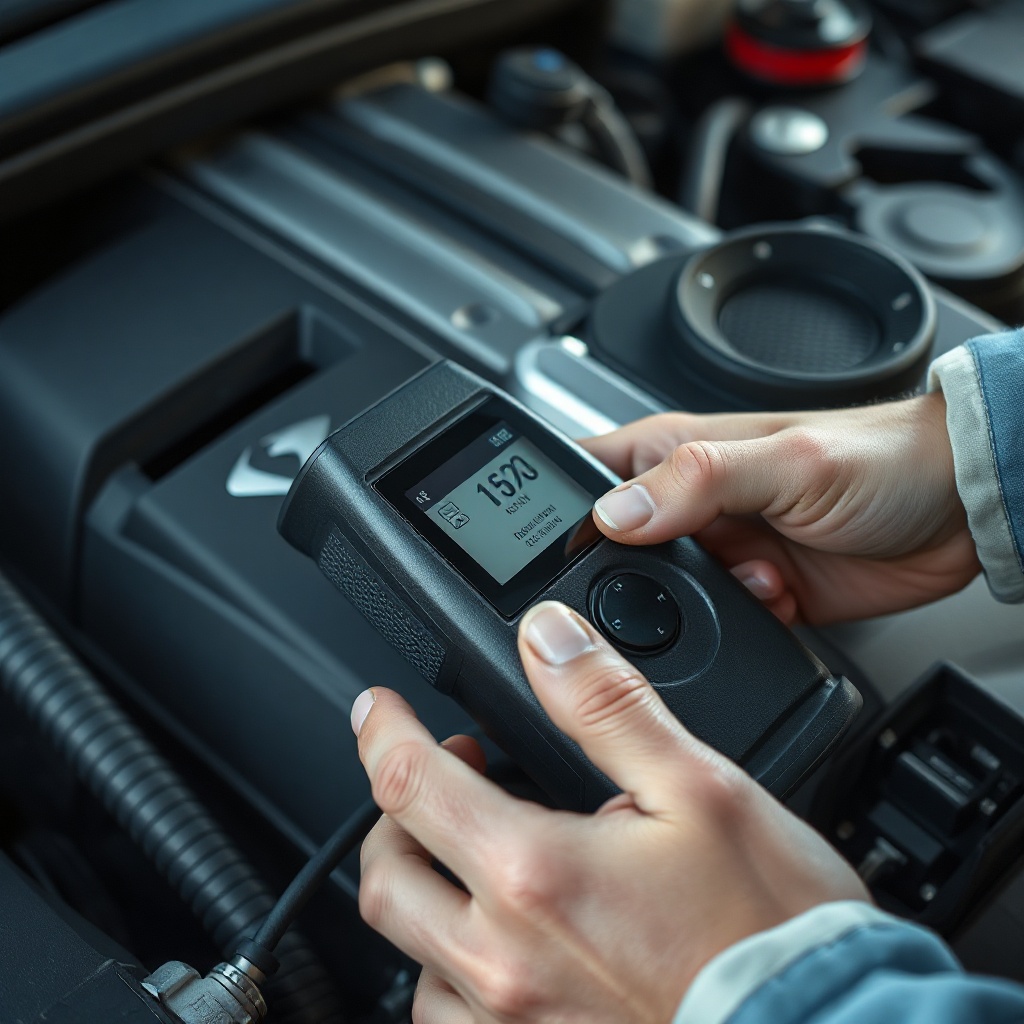
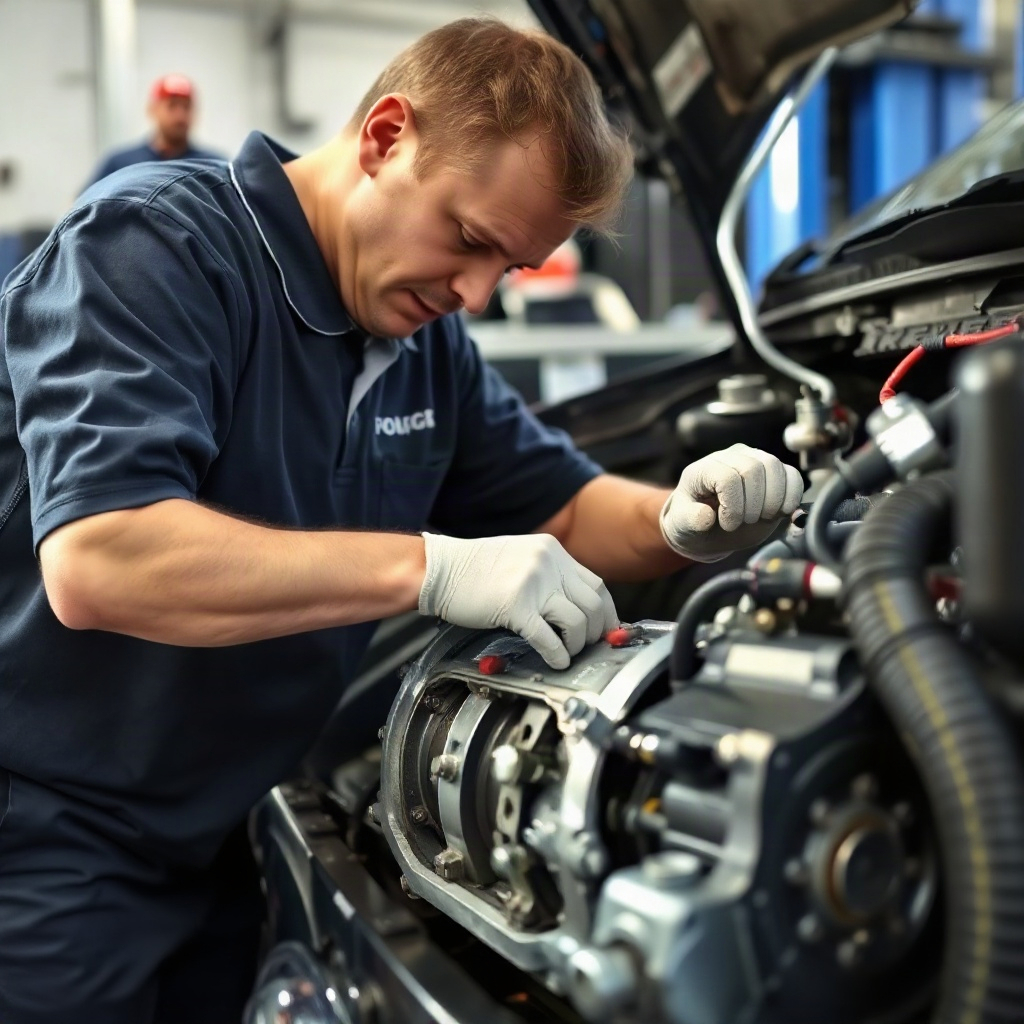
If you suspect that your transmission is slipping, it is essential to diagnose the issue promptly. This may involve checking the transmission fluid level, inspecting the transmission bands and clutches, and scanning for error codes using a diagnostic tool. By identifying the root cause of the problem, you can determine the best course of action to fix it.
Solutions for Fixing Transmission Slipping
Once you have identified the cause of your transmission slipping, there are several solutions available to address the issue. In some cases, simply adding or changing the transmission fluid can improve performance and reduce slipping. For more severe cases, you may need to replace worn or damaged transmission components or adjust the transmission bands for proper engagement.
Preventing Transmission Slipping
To prevent transmission slipping in the future, it is essential to maintain your vehicle regularly. This includes checking and changing the transmission fluid as needed, inspecting the transmission components for wear and tear, and addressing any issues promptly before they escalate into more significant problems. By taking proactive measures, you can ensure that your transmission operates smoothly and efficiently.
Conclusion
In conclusion, transmission slipping is a common issue that can affect the performance and safety of your vehicle. By understanding the causes of transmission slipping, diagnosing the problem accurately, and implementing the right solutions, you can effectively fix this issue and prevent it from recurring in the future. Remember to prioritize regular maintenance and address any transmission issues promptly to keep your vehicle running smoothly.