Pending, Stored, and Permanent P-Codes: What Each Status Means
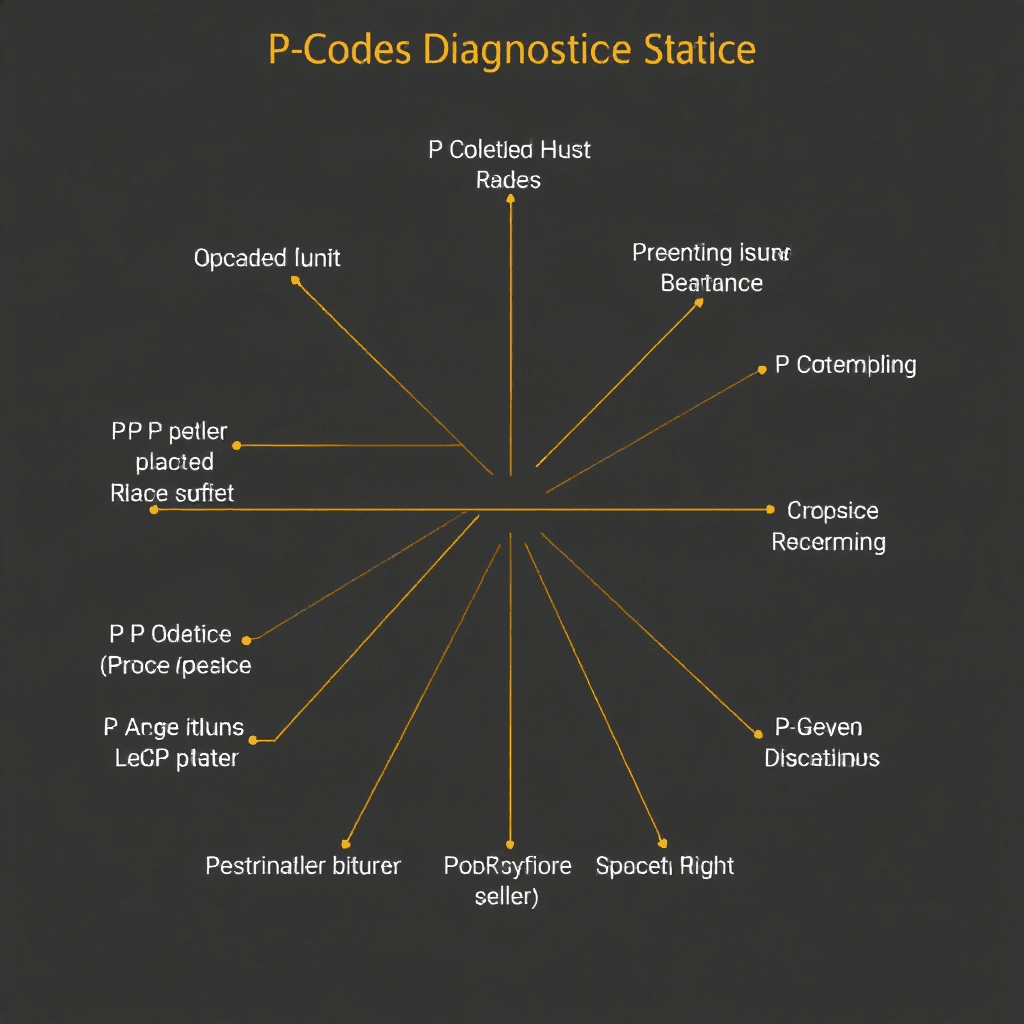
In the world of automotive diagnostics, P-Codes play a crucial role in identifying and diagnosing issues with vehicles. These codes can be classified into three main categories: Pending, Stored, and Permanent. Understanding what each status means is essential for effectively troubleshooting and fixing problems in a timely manner.
Pending P-Codes
Pending P-Codes are temporary codes that indicate a potential issue with the vehicle. These codes are not yet confirmed and may require further testing to validate the problem. When a Pending P-Code is detected, it means that the vehicle’s onboard diagnostic system has identified a potential issue but has not yet verified it. It is important to address Pending P-Codes promptly to prevent further damage to the vehicle.
Stored P-Codes
Stored P-Codes are codes that have been confirmed and logged in the vehicle’s computer system. These codes indicate a specific problem that has been detected and recorded during a previous diagnostic scan. Stored P-Codes can provide valuable information about past issues with the vehicle, even if the problem has been resolved. It is essential to review Stored P-Codes regularly to monitor the health of the vehicle and prevent recurring problems.
Permanent P-Codes
Permanent P-Codes are codes that cannot be erased or cleared from the vehicle’s computer system. These codes typically indicate a serious issue that requires immediate attention. Permanent P-Codes are often associated with critical components or systems in the vehicle that may pose a safety risk if not addressed promptly. It is crucial to address Permanent P-Codes as soon as possible to ensure the safety and reliability of the vehicle.
Conclusion
Understanding the different types of P-Codes – Pending, Stored, and Permanent – is essential for effective vehicle diagnostics and maintenance. By knowing what each status means, technicians can quickly identify and address issues with vehicles, ensuring optimal performance and safety on the road.