How to Capture OBD-II Data for an Intermittent Engine Fault
Intermittent engine faults can be frustrating to diagnose, especially when they occur sporadically. One of the most effective ways to troubleshoot these issues is by capturing and analyzing OBD-II data from your vehicle. In this guide, we will discuss how you can capture OBD-II data for an intermittent engine fault and use it to pinpoint the root cause of the problem.
Understanding OBD-II Data
On-board diagnostics (OBD) systems were introduced to monitor the performance of a vehicle’s engine and emissions systems. OBD-II is the second generation of these systems, and it provides more advanced monitoring capabilities. OBD-II data includes information about the vehicle’s engine speed, coolant temperature, oxygen sensor readings, and more.
Choosing the Right OBD-II Scanner
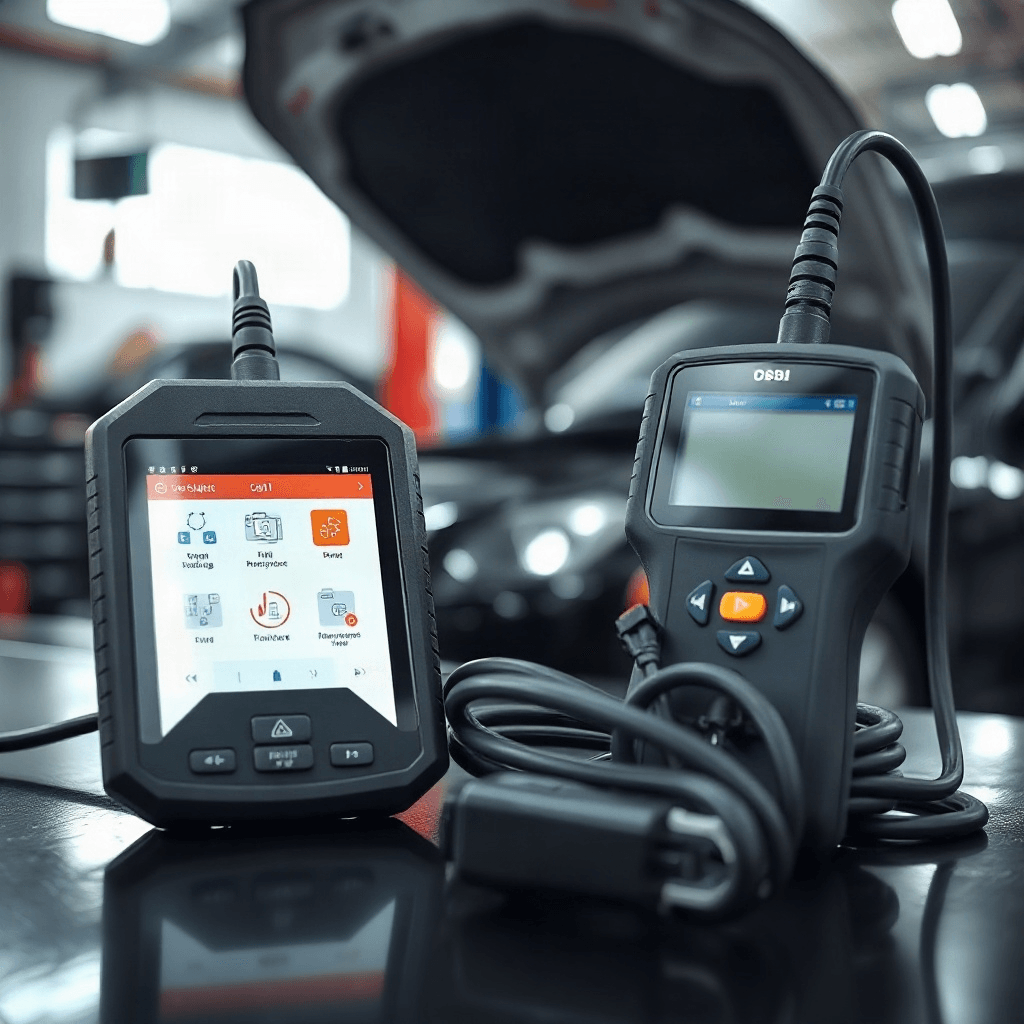
To capture OBD-II data, you will need an OBD-II scanner. There are various types of scanners available, ranging from basic code readers to advanced diagnostic tools. It is essential to choose a scanner that is compatible with your vehicle’s make and model and has the ability to capture real-time data.
Connecting the OBD-II Scanner
Once you have selected the right OBD-II scanner, the next step is to connect it to your vehicle. Locate the OBD-II port, which is usually located under the dashboard on the driver’s side. Plug the scanner into the port and follow the manufacturer’s instructions to establish a connection.
Capturing OBD-II Data
With the OBD-II scanner connected, you can now capture real-time data from your vehicle. Start the engine and navigate through the scanner’s menu to access the data you need. Look for any irregularities or anomalies in the data that may indicate a potential issue.
Analyzing the Data
After capturing the OBD-II data, it is time to analyze it to identify the cause of the intermittent engine fault. Pay close attention to parameters such as fuel trim values, oxygen sensor readings, and engine load. Look for patterns or fluctuations in the data that coincide with the occurrence of the fault.
Pinpointing the Issue
By carefully analyzing the OBD-II data, you can pinpoint the exact cause of the intermittent engine fault. It could be a faulty sensor, a vacuum leak, a misfire, or any other underlying issue. Once you have identified the root cause, you can take the necessary steps to address and resolve the problem effectively.