How to Diagnose Engine Surging at a Steady Speed
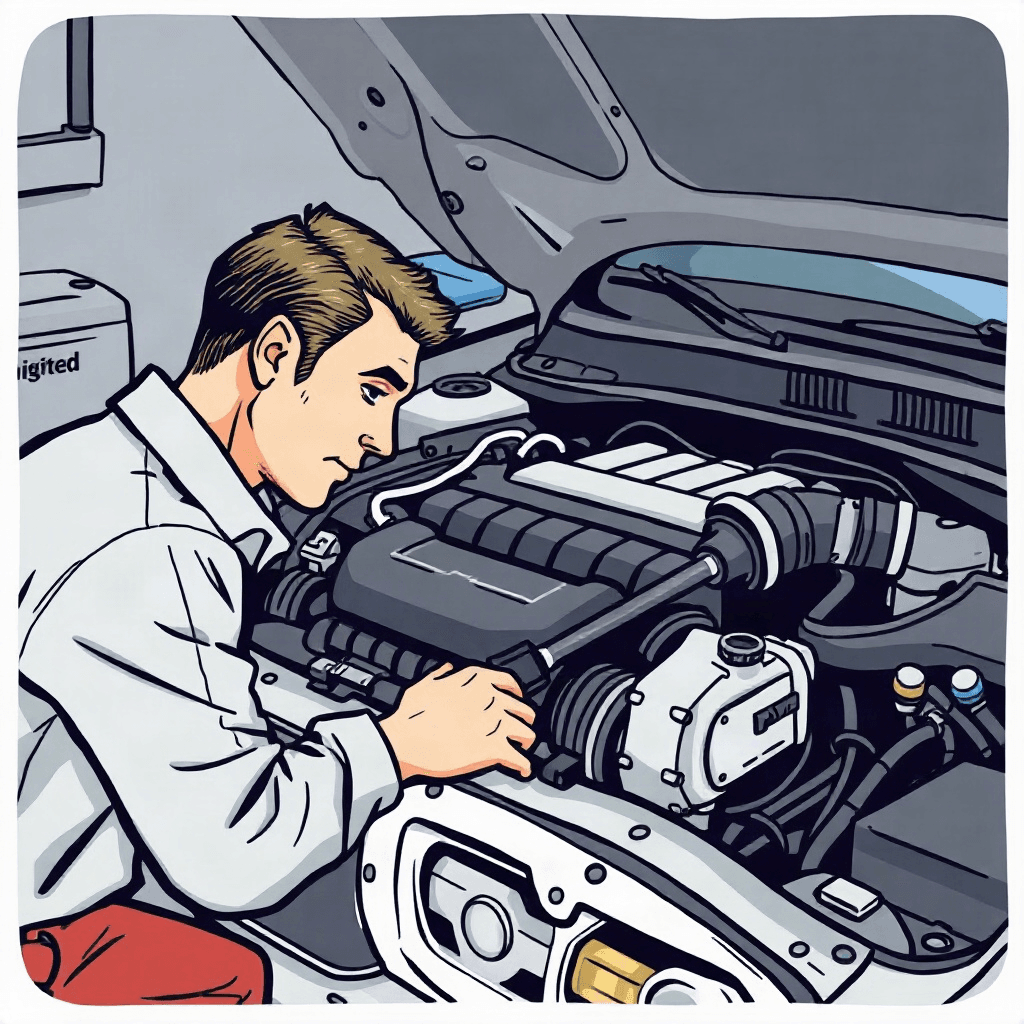
As an experienced mechanic, diagnosing engine issues can be a challenging yet rewarding task. One common problem many drivers face is engine surging, especially at a steady speed. When your vehicle’s engine starts to surge, it can be a sign of various underlying issues. In this article, we will explore how to diagnose engine surging at a steady speed and provide you with expert advice on how to address this issue effectively.
Understanding Engine Surging
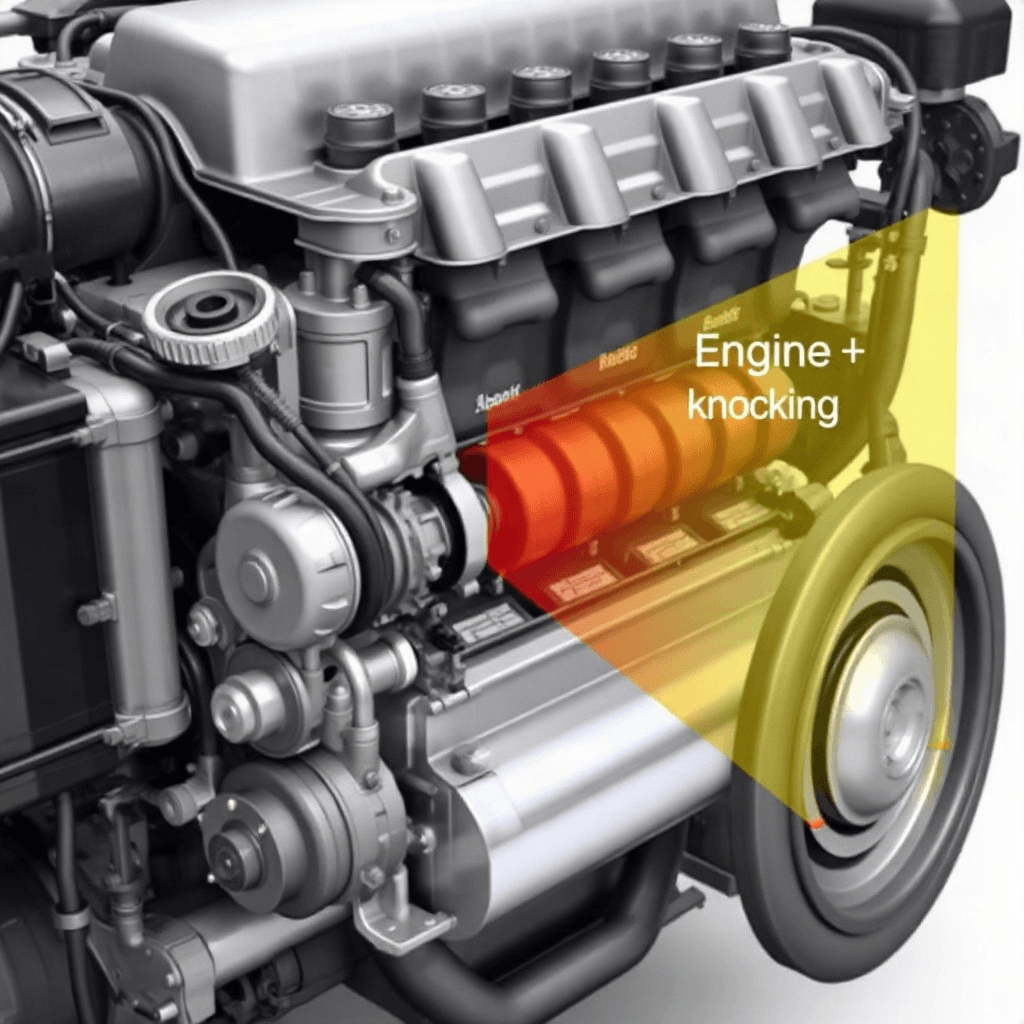
Engine surging, also known as hunting, is when your vehicle’s engine revs up and down unexpectedly while driving at a consistent speed. This can be a frustrating experience for drivers, as it can lead to poor fuel efficiency and overall performance. There are several potential causes for engine surging, ranging from minor issues like dirty fuel injectors to more serious problems like a faulty oxygen sensor or clogged air filter.
Checking the Fuel System
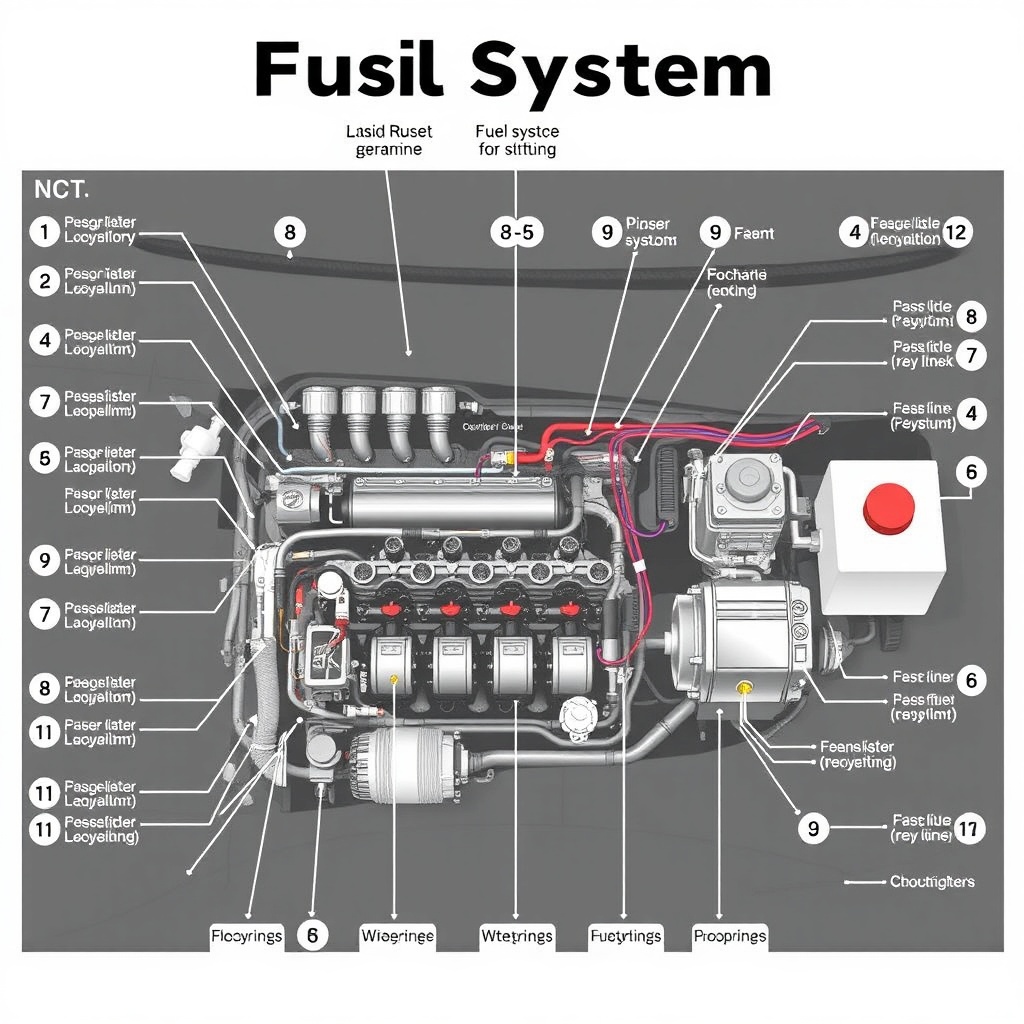
One of the first steps in diagnosing engine surging is to check the fuel system. A clogged fuel filter or dirty fuel injectors can disrupt the fuel flow to the engine, causing it to surge. Inspect the fuel filter for any signs of blockage and consider cleaning or replacing it if necessary. Additionally, use a fuel system cleaner to remove any deposits from the fuel injectors and improve their performance.
Examining the Air Intake System
Another potential cause of engine surging is a clogged air filter or a vacuum leak in the air intake system. A dirty air filter can restrict airflow to the engine, leading to improper combustion and surging. Inspect the air filter and replace it if it appears dirty or clogged. Check for any loose or damaged hoses in the air intake system and repair or replace them as needed to ensure proper airflow.
Testing the Ignition System
The ignition system plays a crucial role in the performance of your vehicle’s engine. A faulty spark plug, ignition coil, or ignition module can cause engine surging by interrupting the combustion process. Check the condition of the spark plugs and replace any that appear worn or damaged. Test the ignition coils and modules for proper functionality and replace them if necessary to restore smooth engine operation.
Inspecting the Exhaust System
A malfunctioning exhaust system can also contribute to engine surging. A clogged catalytic converter or exhaust gas recirculation (EGR) valve can restrict the flow of exhaust gases, leading to surging. Inspect the catalytic converter for any signs of blockage and replace it if necessary. Clean or replace the EGR valve to ensure proper exhaust gas recirculation and prevent surging.
Consulting a Professional Mechanic
If you have checked the fuel system, air intake system, ignition system, and exhaust system and are still experiencing engine surging, it may be time to consult a professional mechanic. A trained technician can perform a comprehensive diagnostic test to pinpoint the exact cause of the surging and recommend the appropriate repairs. By seeking professional help, you can ensure that your vehicle is in optimal condition and prevent further damage to the engine.
In conclusion, diagnosing engine surging at a steady speed requires a systematic approach and attention to detail. By inspecting the fuel system, air intake system, ignition system, and exhaust system, you can identify the underlying issues causing the surging and take the necessary steps to address them. Remember to consult a professional mechanic if you are unable to resolve the problem on your own. With proper maintenance and timely repairs, you can keep your vehicle running smoothly and efficiently on the road.