MAF vs. MAP Sensors: How They Measure Engine Airflow
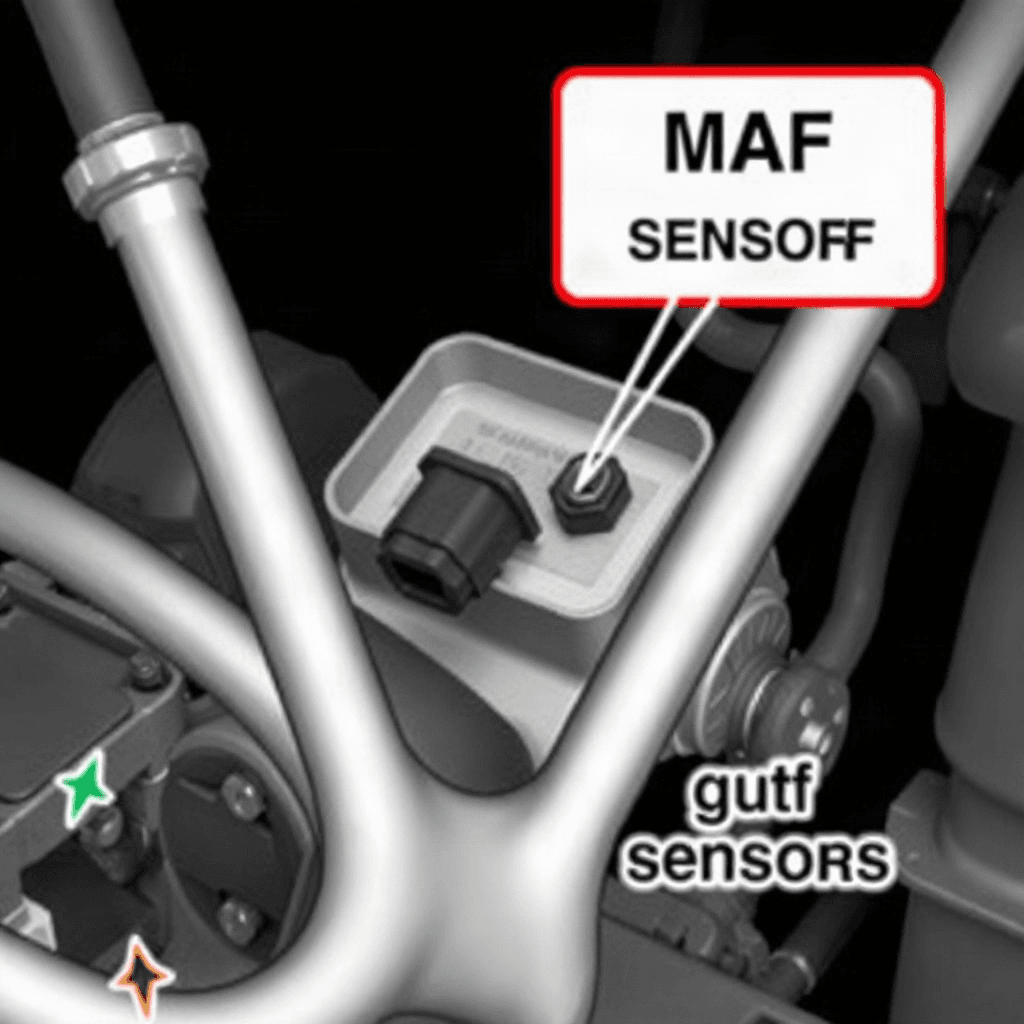
In modern vehicles, the efficient operation of the engine relies heavily on various sensors that monitor and control different aspects of the engine’s performance. Two key sensors that play a crucial role in managing engine airflow are the Mass Air Flow (MAF) sensor and the Manifold Absolute Pressure (MAP) sensor. Both sensors provide essential data to the engine control unit (ECU), allowing it to adjust fuel delivery and ignition timing to optimize engine performance. In this article, we will delve into the differences between MAF and MAP sensors and how they measure engine airflow.
Mass Air Flow MAF Sensor
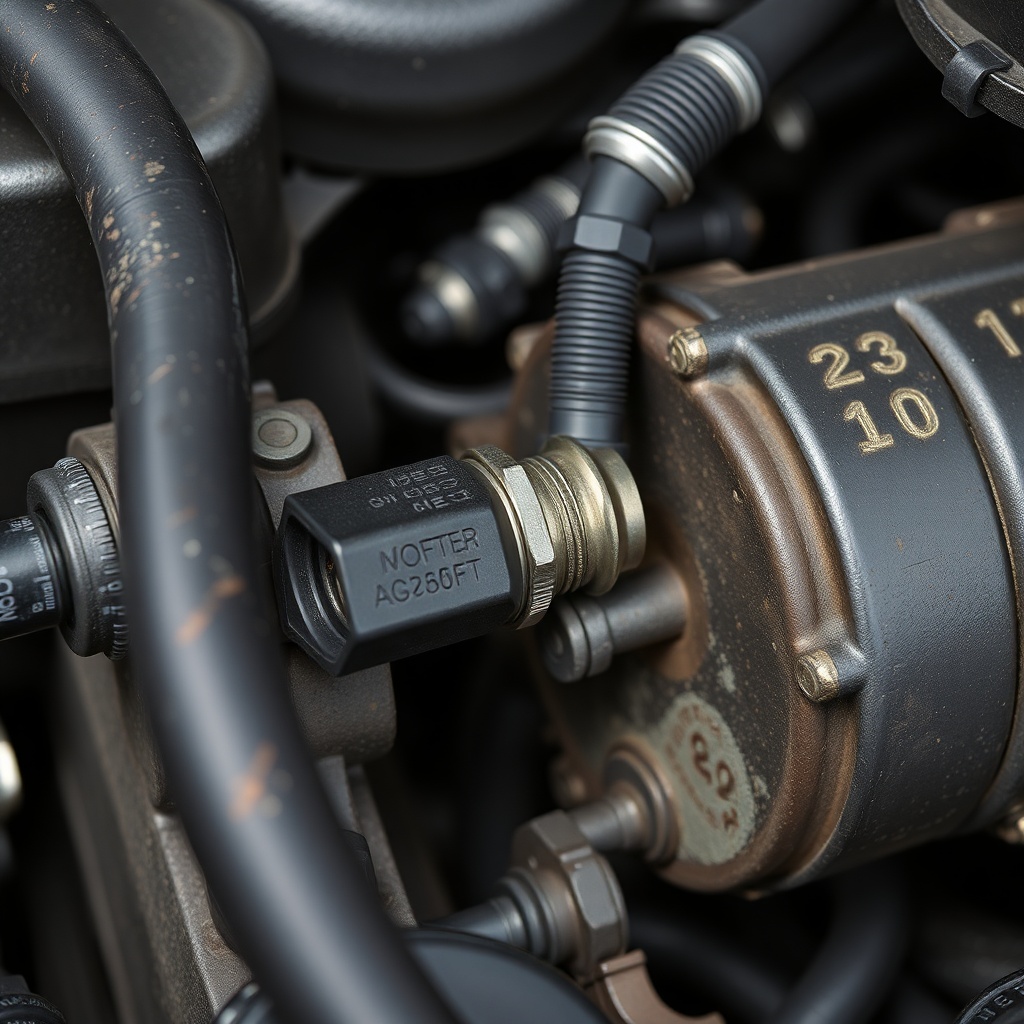
The Mass Air Flow sensor, as the name suggests, measures the mass of air entering the engine. It is typically located in the intake air duct before the throttle body. The MAF sensor uses a hot wire, a vane, or a heated film to measure airflow. As air flows over the sensor element, it cools down or heats up, and the ECU calculates the airflow based on the change in temperature. This data is crucial for determining the correct amount of fuel to inject into the engine for optimal combustion.
Manifold Absolute Pressure MAP Sensor
In contrast, the Manifold Absolute Pressure sensor measures the pressure inside the intake manifold. The MAP sensor is typically mounted on or near the intake manifold. It measures the pressure differential between the intake manifold and the atmosphere, which is directly related to the engine’s load. The ECU uses this information to adjust fuel delivery and ignition timing based on the engine’s operating conditions.
Differences in Operation
While both MAF and MAP sensors provide crucial data for engine control, they operate on different principles. The MAF sensor directly measures the mass of air entering the engine, providing a more accurate reading of the actual airflow. In contrast, the MAP sensor indirectly measures airflow by monitoring the pressure in the intake manifold. This difference in operation can lead to variations in performance and fuel efficiency under different driving conditions.
Applications and Benefits
The choice between using a MAF or MAP sensor depends on the specific requirements of the engine and the vehicle. MAF sensors are more commonly used in modern vehicles due to their higher accuracy in measuring airflow. They provide a more direct measurement of air entering the engine, allowing for precise control of fuel delivery. On the other hand, MAP sensors are often used in forced induction applications, such as turbocharged engines, where measuring the pressure in the intake manifold is more critical for engine performance.
Conclusion
In conclusion, both MAF and MAP sensors play vital roles in monitoring and controlling engine airflow. While the MAF sensor measures the mass of air entering the engine directly, the MAP sensor measures the pressure in the intake manifold. Understanding the differences between these sensors and their applications is essential for optimizing engine performance and fuel efficiency in modern vehicles.