C0035 Code: Left Front Wheel Speed Sensor Circuit Malfunction
The C0035 code means your vehicle’s ABS control module has detected a fault in the left front wheel speed sensor circuit. Something in the electrical path between the sensor and the module isn’t working correctly — and because of that, the ABS system can’t get reliable speed data from the left front wheel.
Wheel speed sensors are the eyes of your ABS, traction control, and stability control systems. They monitor how fast each wheel is spinning and feed that data to the control modules in real time. When the C0035 code is stored, the left front sensor has either stopped sending a signal, is sending an unreliable one, or the wiring between the sensor and the module has a fault. The ABS system responds by disabling itself — because it would rather do nothing than act on bad data.
This is one of the most common ABS-related codes, and in most cases it’s not an expensive fix. But it does need to be addressed — a vehicle without functioning ABS is significantly less safe in an emergency stop.
What You’ll Notice
- ABS warning light on the dashboard
- Traction control warning light on or system disabled
- Stability control warning illuminated
- In some vehicles, the speedometer may behave erratically
- ABS activates at low speeds when it shouldn’t
- No other obvious changes to how the car drives
The C0035 code doesn’t usually affect normal braking — your brakes still work. What’s lost is the anti-lock function that prevents wheel lockup during emergency stops. In dry conditions at normal speeds, you might not notice any difference at all. In wet or icy conditions, the absence of ABS becomes very apparent, very quickly.
What Controls the Wheel Speed Signal?
Each wheel on a modern vehicle has a wheel speed sensor mounted at the hub or knuckle. The sensor reads a toothed reluctor ring — either a separate ring pressed onto the axle shaft or integrated into the wheel bearing itself — and generates a pulse signal as each tooth passes. The frequency of those pulses tells the ABS module exactly how fast that wheel is spinning.
The left front sensor’s signal travels through a dedicated wiring harness to the ABS control module. The module compares the signal from all four wheels constantly. When it detects that the left front signal is missing, erratic, or inconsistent with the other three wheels, it stores the C0035 code and disables ABS.
According to SAE J1979 OBD-II standards, chassis codes beginning with C0 are standardized across manufacturers — C0035 always refers to the left front wheel speed sensor circuit regardless of the vehicle make or model.
What Usually Causes the C0035 Code
1. Faulty wheel speed sensor The most common cause of the C0035 code. The sensor itself has failed — either completely or intermittently. Wheel speed sensors are exposed to road debris, water, mud, and the constant vibration of the suspension. Over time, the sensor element degrades or the internal connection fails. Heat cycling over many years accelerates this process, which is why sensor failures are more common on high-mileage vehicles.
2. Damaged sensor wiring or connector The wiring harness running from the left front sensor to the ABS module is routed through the wheel arch and along the chassis. It’s exposed to everything the road throws at it — stones, water, road salt, and the repeated flexing of the suspension. A wire that’s been chafed through by rubbing against a suspension component, or a connector that’s corroded from water exposure, causes exactly the same symptoms as a failed sensor.
3. Corroded or damaged connector The connector at the sensor itself is particularly vulnerable. It’s located in the wheel arch, close to the ground, and exposed to water splash on every wet road. Moisture ingress causes the terminal contacts to corrode, increasing resistance in the circuit and causing the signal to drop out or become unreliable.
4. Damaged or missing reluctor ring The reluctor ring — whether it’s a separate ring on the axle shaft or integrated into the wheel bearing — can crack, lose teeth, or become packed with metallic debris from brake dust. A ring with missing teeth produces an irregular signal pattern; a completely damaged ring produces no signal at all. This is a less common cause but one that’s easy to check visually once the sensor is removed.
5. Failed wheel bearing with integrated sensor Many modern vehicles use wheel bearings with the ABS sensor ring built into the bearing assembly. When the bearing fails, the integrated sensor ring is damaged along with it. In these cases, you’ll often see both a wheel speed sensor code and hear a rumbling noise from the wheel — the bearing and sensor need to be replaced together as a unit.
6. ABS control module fault The ABS module itself has developed a fault on the circuit that processes the left front sensor signal. This is the least common cause of C0035 and should only be considered after sensor, wiring, and reluctor ring have all been checked and found to be serviceable.
7. Air gap issue The wheel speed sensor must be positioned at the correct distance from the reluctor ring to produce a reliable signal. If the sensor has come slightly loose, if the reluctor ring has shifted, or if excessive bearing play has changed the gap, the signal amplitude drops and the module may store C0035 even though the sensor is technically undamaged.
How Serious Is the C0035 Code?
Serious enough to fix promptly — but not an emergency that stops you driving.
The car will start, drive, and brake normally. What’s lost is ABS protection, and on some vehicles, traction control and stability control are also disabled when C0035 is active. These are the systems that prevent wheel lockup, loss of traction, and skidding. In dry conditions on a clear road, you may not notice their absence. In an emergency stop on a wet road, or in winter conditions, their absence can make the difference between stopping safely and losing control.
Many countries and states also require functioning ABS for a vehicle to pass a safety inspection. An active C0035 code with the ABS light on will fail a roadworthiness check. Get it fixed before your next inspection.
How to Diagnose the C0035 Code
Step 1 — Read all stored codes
Confirm C0035 and check for companion codes. Multiple wheel speed sensor codes — C0035 alongside C0040, C0045, or C0050 — suggest a power supply, ground, or ABS module issue rather than individual sensor failures. A single C0035 with no companion codes points to a fault specific to the left front sensor circuit.
Step 2 — Visual inspection of the sensor and wiring
Raise the front of the vehicle safely on jack stands and remove the left front wheel. With good lighting, inspect:
- The sensor body — look for cracks, impact damage, or signs of heat damage
- The wiring harness from the sensor back toward the chassis — look for chafed insulation, broken ties that allow the harness to rub on suspension components, or sections that show obvious damage
- The sensor connector — look for corrosion, moisture, bent pins, or damage to the locking tab
A visual inspection catches a significant percentage of C0035 faults without any test equipment.
Step 3 — Inspect the reluctor ring
With the sensor removed or with the wheel spinning slowly, inspect the reluctor ring. On vehicles with a separate ring on the axle shaft, look for missing teeth, cracks, or debris packed between teeth. On vehicles with a bearing-integrated ring, look for chips or damage on the visible face of the ring. Rotate the hub by hand and inspect the full circumference.
Step 4 — Test the sensor
Two types of wheel speed sensors are used:
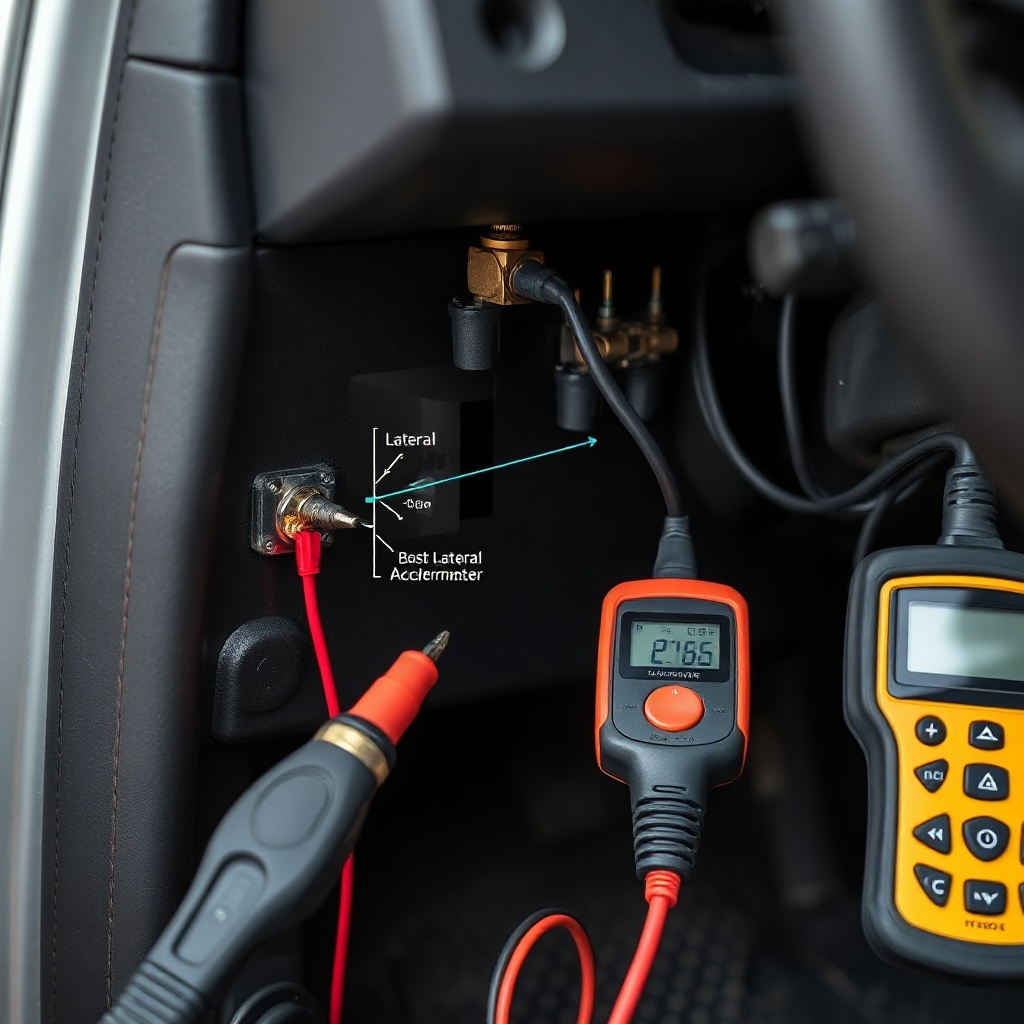
Passive (magnetic) sensors generate their own voltage from the moving reluctor ring. Test these with a multimeter — measure resistance across the sensor terminals. A healthy passive sensor typically reads between 800 and 2,000 ohms. A reading of zero indicates a short circuit inside the sensor; infinite resistance indicates an open circuit. Either confirms sensor failure.
Active (Hall effect) sensors require a supply voltage (typically 5V or 12V) and produce a digital square wave signal. These can’t be properly tested with a resistance check alone — they need a supply voltage and a scope or scan tool with live data to verify signal output.
Step 5 — Check wiring continuity
Disconnect the sensor connector and the ABS module connector. Using a multimeter, check continuity on each wire between the two connectors. No continuity on any wire indicates a break in that circuit. Check also for shorts to ground — a wire that shows continuity to the vehicle chassis shouldn’t.
Step 6 — Monitor live data
If the sensor and wiring test fine on a static test, connect a scan tool and monitor the left front wheel speed in live data while driving slowly. All four wheel speeds should track together — if the left front reads zero or jumps erratically while the others are consistent, the fault is confirmed even if the static tests looked normal.
Step 7 — Check wheel bearing play
With the vehicle raised, grasp the wheel at the 12 and 6 o’clock positions and attempt to rock it. Any noticeable play indicates worn wheel bearings. On vehicles with integrated sensor rings, bearing play changes the sensor gap and can cause C0035 even when the sensor itself is fine. Replace the bearing assembly.
How to Fix the C0035 Code
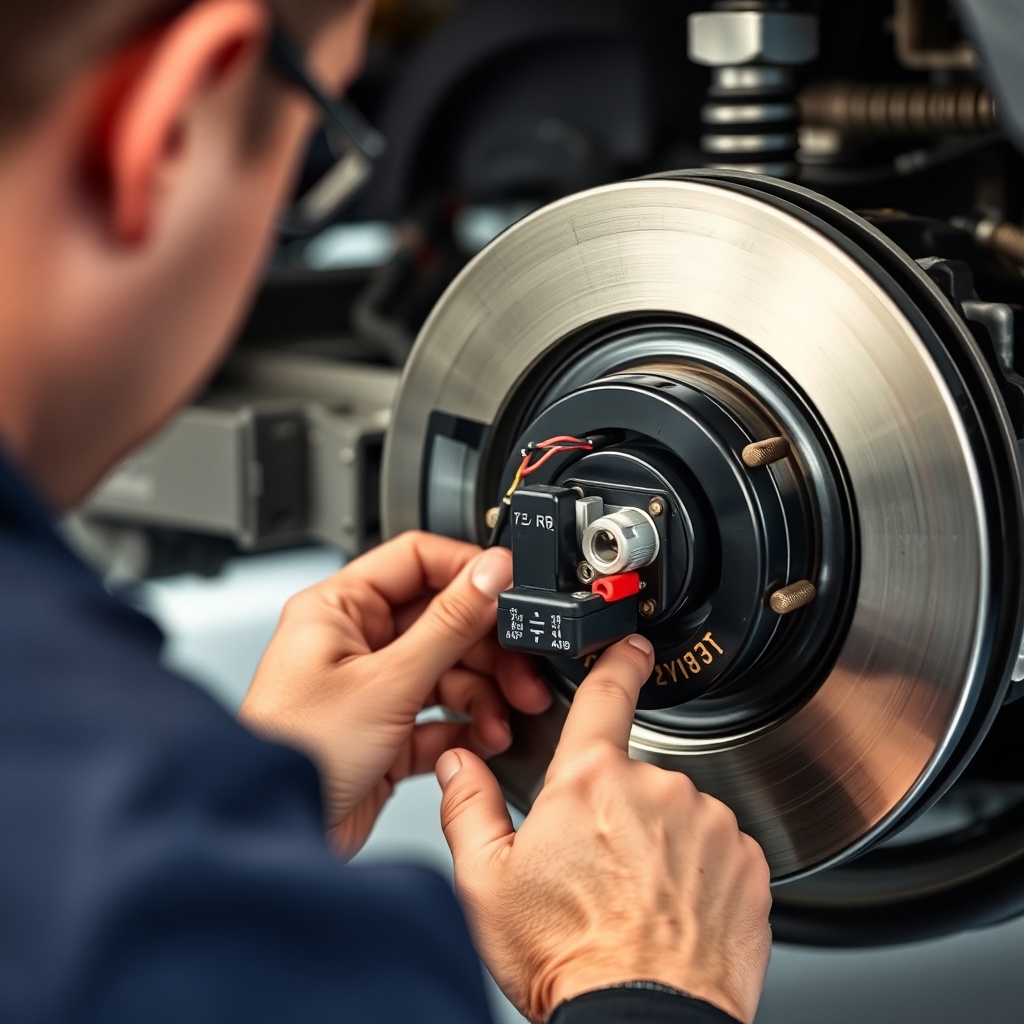
Replace the wheel speed sensor — The most common fix for C0035. The sensor is typically mounted with one or two bolts on the steering knuckle and connected by a single harness connector. Replacement is straightforward on most vehicles and is a job many DIYers can handle with basic tools. After replacement, clear the code and test drive to confirm.
Repair or replace the wiring harness — If a damaged wire or corroded connector is the fault, repair it properly. Use automotive-grade wire and heat-shrink connectors for any splice. If the connector is corroded beyond cleaning, replace the connector pigtail. Route the repaired harness away from any suspension components that could cause future chafing.
Replace the reluctor ring — A damaged reluctor ring on the axle shaft can often be replaced separately. A damaged integrated bearing ring means the entire wheel bearing assembly needs replacing.
Replace the wheel bearing assembly — If the bearing is worn or the integrated sensor ring is damaged, replace the complete hub bearing assembly. This is the correct repair for vehicles where the sensor ring is built into the bearing — replacing just the sensor won’t fix the underlying problem.
Replace the ABS control module — Only after all other causes have been confirmed as serviceable. Module replacement requires programming on some vehicles.
C0035 on Specific Vehicle Makes
General Motors (Chevrolet, GMC, Buick, Cadillac): The C0035 code is particularly common on GM trucks and SUVs, including the Silverado, Sierra, Tahoe, and Suburban. On these vehicles, the sensor wiring harness frequently chafes on the upper control arm or brake hose bracket over time. Inspect the harness routing carefully before replacing the sensor.
Ford: On Ford F-Series trucks and Explorer, C0035 often relates to a failed wheel speed sensor rather than wiring. The sensors on these vehicles are accessible and inexpensive. Check the connector for corrosion — water intrusion is common on Ford connectors in the wheel arch area.
Toyota and Lexus: Toyota’s wheel speed sensors are generally reliable, but on higher-mileage vehicles the wiring harness can crack from age and heat cycling. The connectors on some Toyota models are also known to corrode. Check the harness carefully before condemning the sensor.
Honda and Acura: On Honda CR-V, Pilot, and Odyssey models, the C0035 code frequently relates to a failed wheel bearing with an integrated ABS ring. If you hear a rumbling from the left front wheel alongside C0035, the bearing assembly is almost certainly the cause.
Jeep and Chrysler: On Jeep Wrangler and Grand Cherokee, C0035 can be traced to reluctor ring damage from off-road use. Debris impact can chip or crack the ring, and mud packing between the teeth causes signal dropout. Inspect the ring carefully on these vehicles.
What It Might Cost to Fix the C0035 Code
| Repair | Estimated Cost |
|---|---|
| Wheel speed sensor replacement | $80 – $250 |
| Wiring harness repair | $100 – $350 |
| Connector replacement / repair | $50 – $150 |
| Reluctor ring replacement | $50 – $200 |
| Wheel bearing assembly replacement | $200 – $500 |
| ABS control module replacement | $300 – $900 |
Costs vary by vehicle make, model, and labor rates in your area. Front wheel bearing replacement on AWD vehicles typically costs more due to additional complexity.
Related Codes
- C0040 — Right Front Wheel Speed Sensor Circuit Malfunction
- C0045 — Left Rear Wheel Speed Sensor Circuit Malfunction
- C0050 — Right Rear Wheel Speed Sensor Circuit Malfunction
- C0110 — ABS Motor Circuit Failure
- C0265 — ABS/EBCM Relay Circuit Open
- U0121 — Lost Communication With ABS Control Module
Frequently Asked Questions
Can I drive with the C0035 code? Yes, the car is driveable — normal braking still works. But your ABS, and often traction control and stability control, are disabled. In an emergency stop on a wet or slippery surface, you lose the protection these systems provide. Don’t leave it unrepaired for long, and be extra cautious in poor weather conditions.
How do I know if the C0035 code is caused by the sensor or the wiring? Start with a visual inspection of the wiring and connector — damaged wiring is often visible without any test equipment. If the wiring looks fine, test the sensor resistance. If resistance is out of spec, the sensor has failed. If resistance is correct but the code persists, check wiring continuity from the sensor to the ABS module.
Will the C0035 code clear itself? No. Once stored, the C0035 code remains until it’s cleared with a scan tool after the fault has been repaired. Simply driving the car won’t make it disappear — the ABS module checks the sensor circuit on every drive cycle and will re-store the code if the fault is still present.
Can the C0035 code cause the traction control light to come on? Yes. Traction control and stability control systems rely on wheel speed sensor data from the same sensors as ABS. When C0035 disables the left front sensor signal, traction control and stability control lose the data they need and typically disable themselves as well.
How long does it take to replace a wheel speed sensor? On most vehicles, a wheel speed sensor replacement takes 30–60 minutes. It involves raising the vehicle, removing the wheel, disconnecting the sensor connector, removing one or two bolts, and fitting the new sensor. It’s one of the more straightforward ABS repairs. On vehicles where the sensor is integrated into the wheel bearing, the job is more involved.
Is the C0035 code the same on all vehicles? The code definition is standardized — C0035 always refers to the left front wheel speed sensor circuit. However, the sensor location, connector type, and most common failure modes vary by make and model. The diagnosis process is the same, but specific procedures and parts differ.
Can I reset the C0035 code without fixing it? You can clear it with a scan tool, but it will come back immediately on the next drive cycle if the fault is still present. Clearing without repairing is not a solution — the ABS light will return and the system will remain disabled.
What happens if I replace the sensor but C0035 comes back? Check the wiring and connector next. A sensor that’s been replaced but keeps setting C0035 usually has a wiring fault — either a damaged wire, a corroded connector, or a short circuit that wasn’t identified before the new sensor was fitted. In rare cases, a faulty new sensor can also cause this — make sure replacement sensors come from a reputable supplier.
For more information on ABS systems and vehicle safety standards, visit the National Highway Traffic Safety Administration (NHTSA).
This guide is for informational purposes only. For an accurate diagnosis, always consult a qualified mechanic.