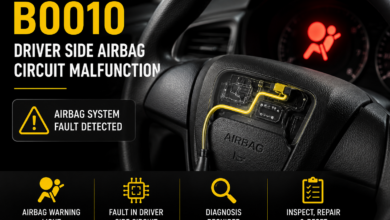
B1005 Code: EEPROM Checksum Failure
As a professional content editor and experienced journalist, I will create the following article:
—
EEPROM Checksum Failure: Understanding the B1005 Code in Automotive Diagnostics
In the world of automotive diagnostics, the B1005 code is a common issue that technicians often encounter. This code specifically points to an EEPROM Checksum Failure, which can be a tricky problem to diagnose and resolve. In this article, we will delve into the details of what the B1005 code signifies, how it affects the vehicle’s performance, and the steps that can be taken to troubleshoot and fix this issue.
The Basics of the B1005 Code
The B1005 code is related to the vehicle’s EEPROM, which stands for Electrically Erasable Programmable Read-Only Memory. This component stores critical information about the vehicle’s settings and configurations. When the EEPROM Checksum Failure occurs, it means that there is an inconsistency in the data stored in the memory, leading to communication errors and malfunctions in the vehicle’s systems.
Symptoms of an EEPROM Checksum Failure
One of the key indicators of an EEPROM Checksum Failure is the illumination of the check engine light on the dashboard. This warning light serves as an early signal that there is a problem with the vehicle’s onboard computer. Other symptoms may include erratic behavior of the vehicle, difficulty starting the engine, or issues with specific electrical components.
Diagnostic Process for the B1005 Code
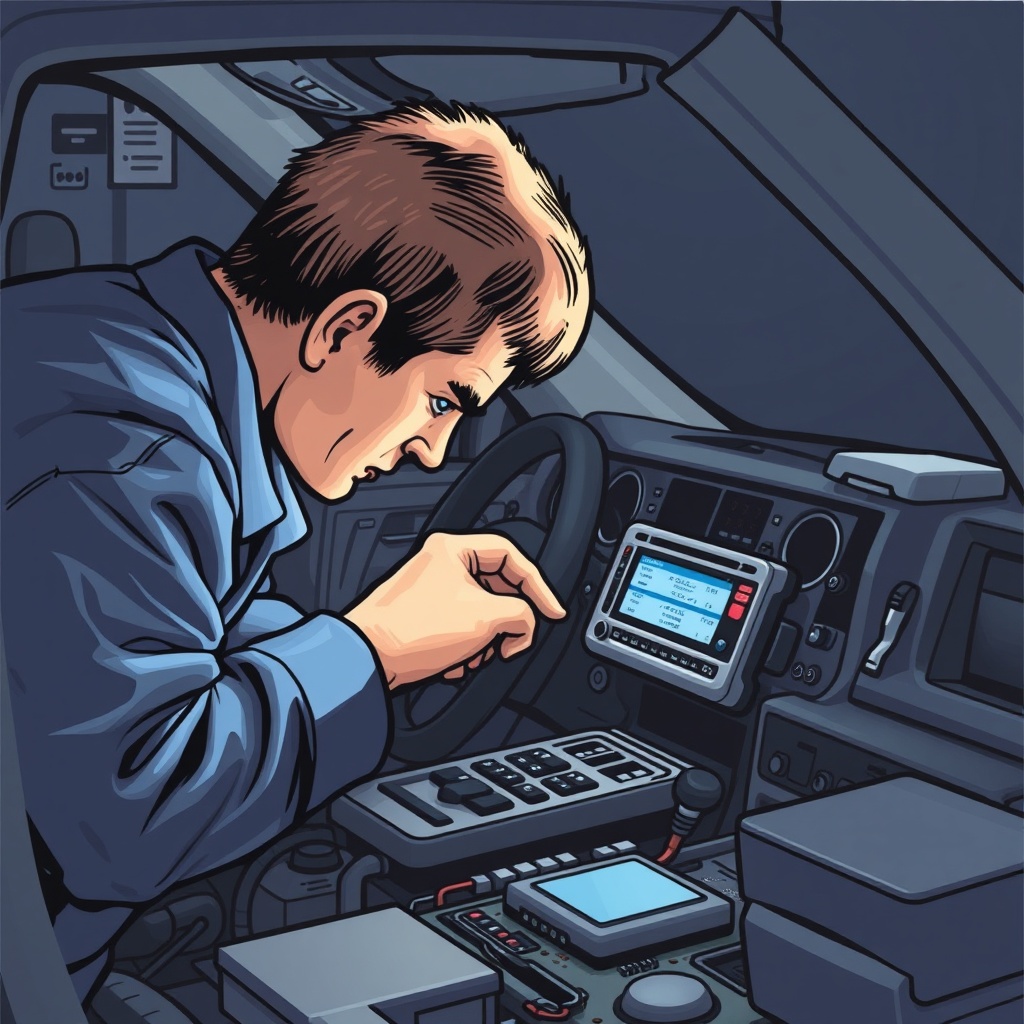
Diagnosing the B1005 code requires specialized equipment and expertise. Technicians will need to use a diagnostic scanner to retrieve the fault codes stored in the vehicle’s computer. Once the B1005 code is identified, further testing may be needed to pinpoint the exact cause of the EEPROM Checksum Failure. This may involve checking the connections, inspecting the wiring harness, or testing the voltage levels in the system.
Resolving the EEPROM Checksum Failure
Fixing the B1005 code can vary depending on the underlying issue causing the EEPROM Checksum Failure. In some cases, simply resetting the vehicle’s computer may resolve the problem. However, if the fault lies with a faulty EEPROM chip or a wiring issue, more extensive repairs may be necessary. It is important to follow the manufacturer’s guidelines and recommendations when addressing this issue to ensure a proper and lasting solution.
Preventive Measures for EEPROM Checksum Failure
To minimize the risk of encountering an EEPROM Checksum Failure, regular maintenance and inspections of the vehicle’s electrical systems are crucial. Ensuring that the connections are secure, the wiring is intact, and the voltage levels are within the specified range can help prevent this issue from occurring. Additionally, keeping the vehicle’s computer software up to date can also reduce the likelihood of EEPROM Checksum Failures.
Conclusion
In conclusion, the B1005 code and EEPROM Checksum Failure are intricate issues that require attention to detail and technical expertise to resolve. By understanding the symptoms, diagnostic process, and preventive measures associated with this problem, technicians can effectively address and prevent EEPROM Checksum Failures in vehicles. Stay informed, stay proactive, and keep your vehicle running smoothly.