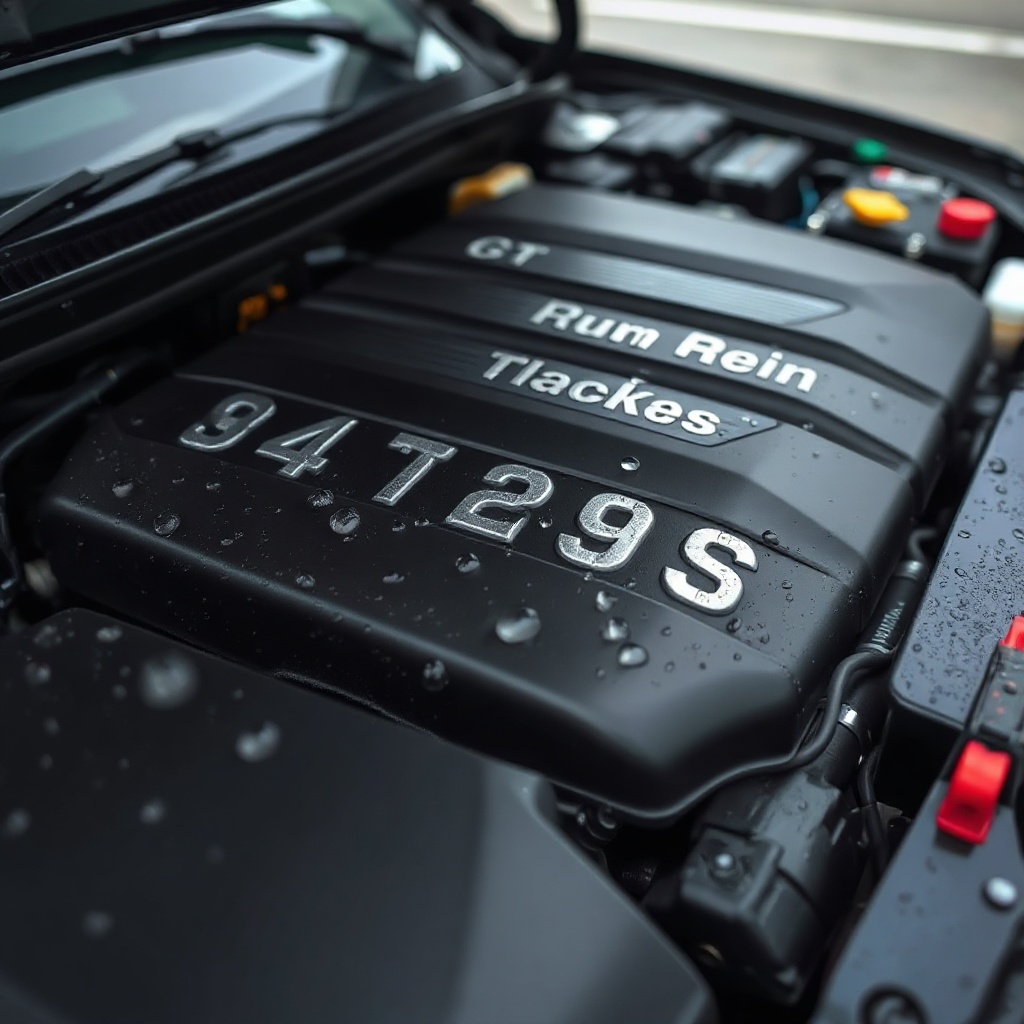
Car Overheating: Causes, Symptoms & Fix
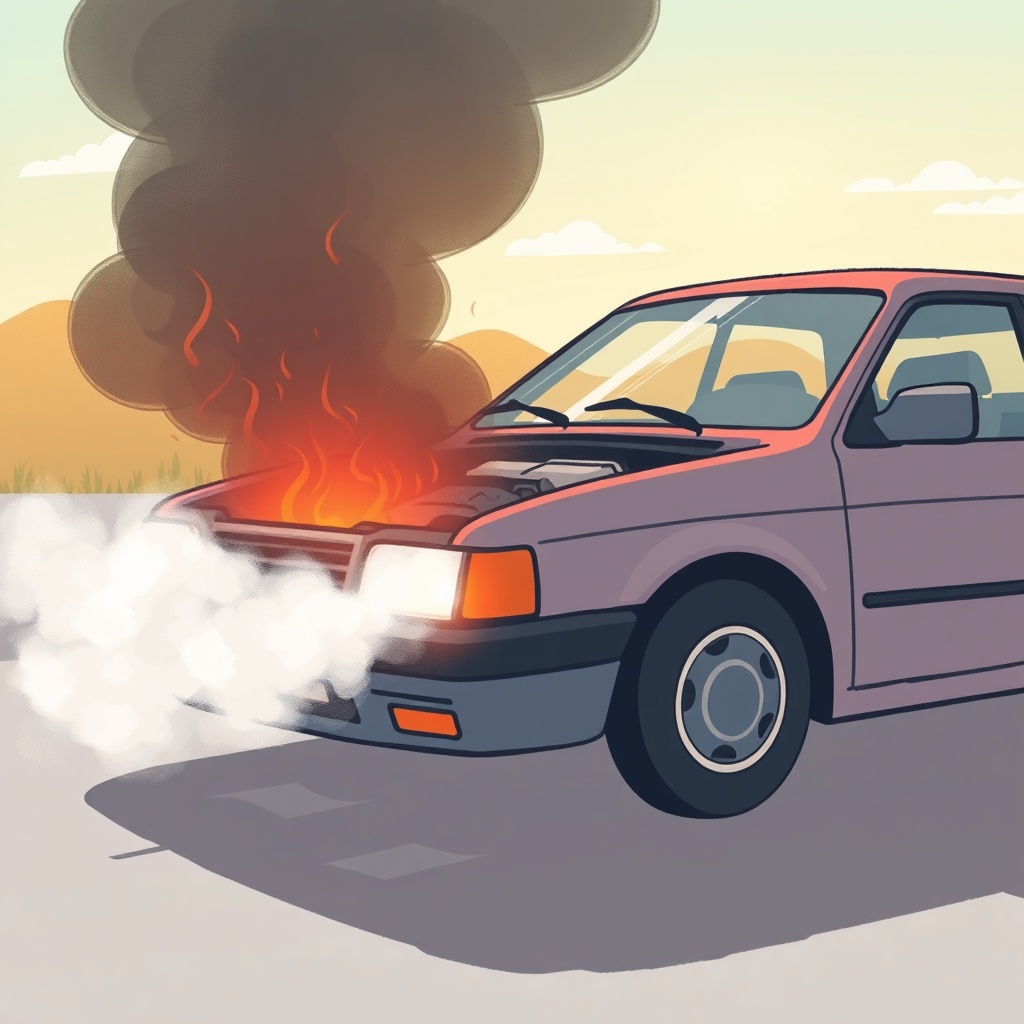
Car overheating can be a common issue that many drivers face, especially during the hot summer months. Understanding the causes, symptoms, and fixes for car overheating is crucial to prevent serious damage to your vehicle. In this guide, we will explore the various aspects of car overheating and how you can address this issue effectively.
Common Causes of Car Overheating
Car overheating can be caused by a variety of factors, including a malfunctioning cooling system, low coolant levels, a faulty thermostat, or a clogged radiator. It’s important to identify the root cause of the overheating to prevent further damage to your vehicle.
Symptoms of Car Overheating
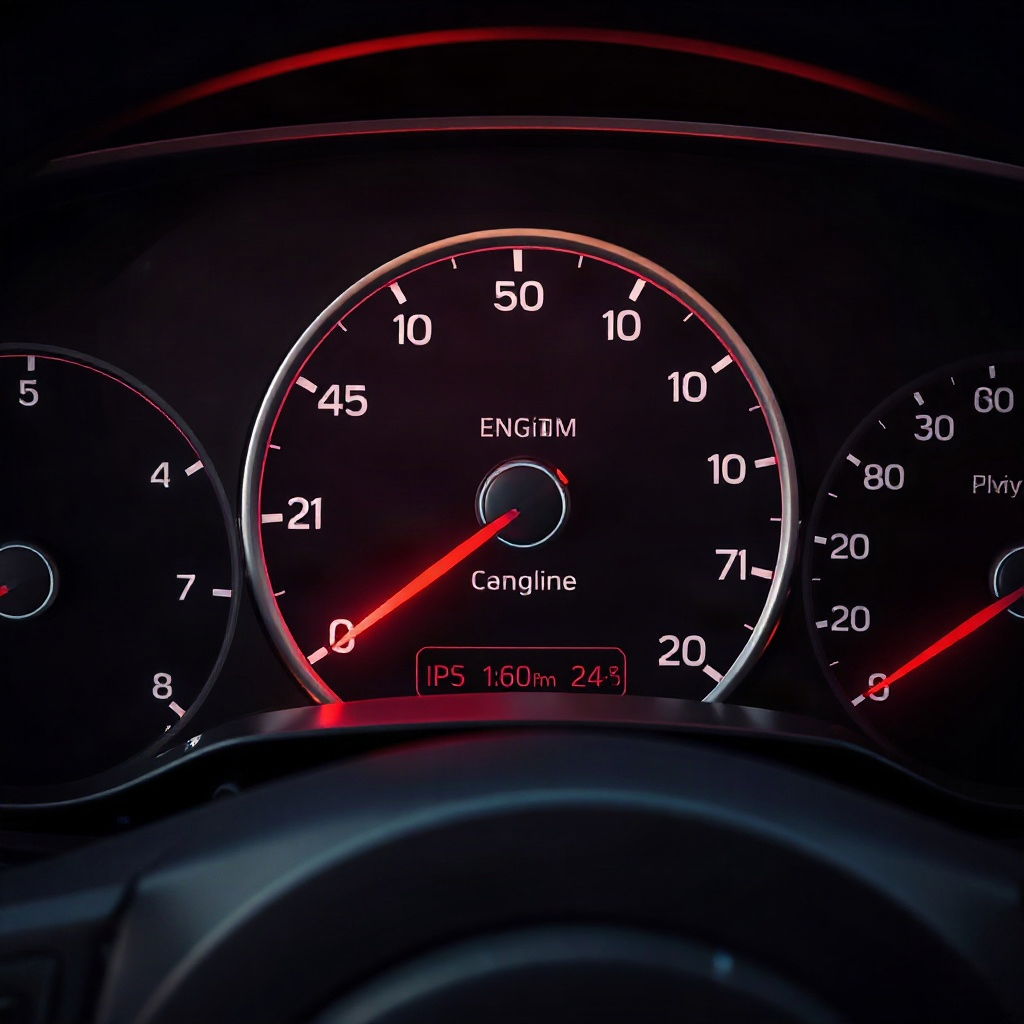
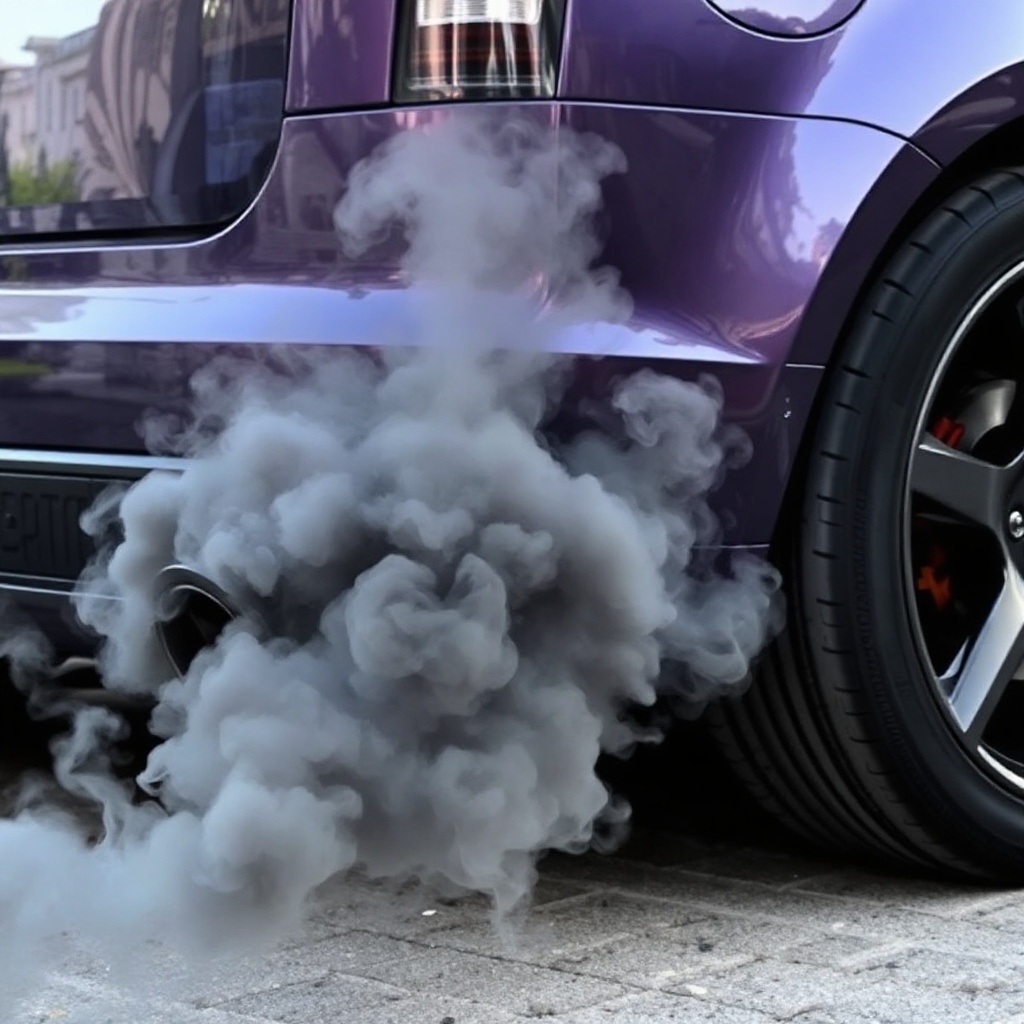
There are several key symptoms to look out for when your car is overheating. These may include the temperature gauge rising rapidly, steam coming from under the hood, a strong smell of coolant, or the engine running rough. It’s essential to recognize these signs early on to avoid potential engine damage.
Checking Coolant Levels
One of the first steps in addressing car overheating is to check the coolant levels in your vehicle. Low coolant levels can lead to overheating, so make sure to top up the coolant if necessary. Additionally, inspect the radiator and hoses for any leaks or damage that may be contributing to the issue.
Inspecting the Cooling System
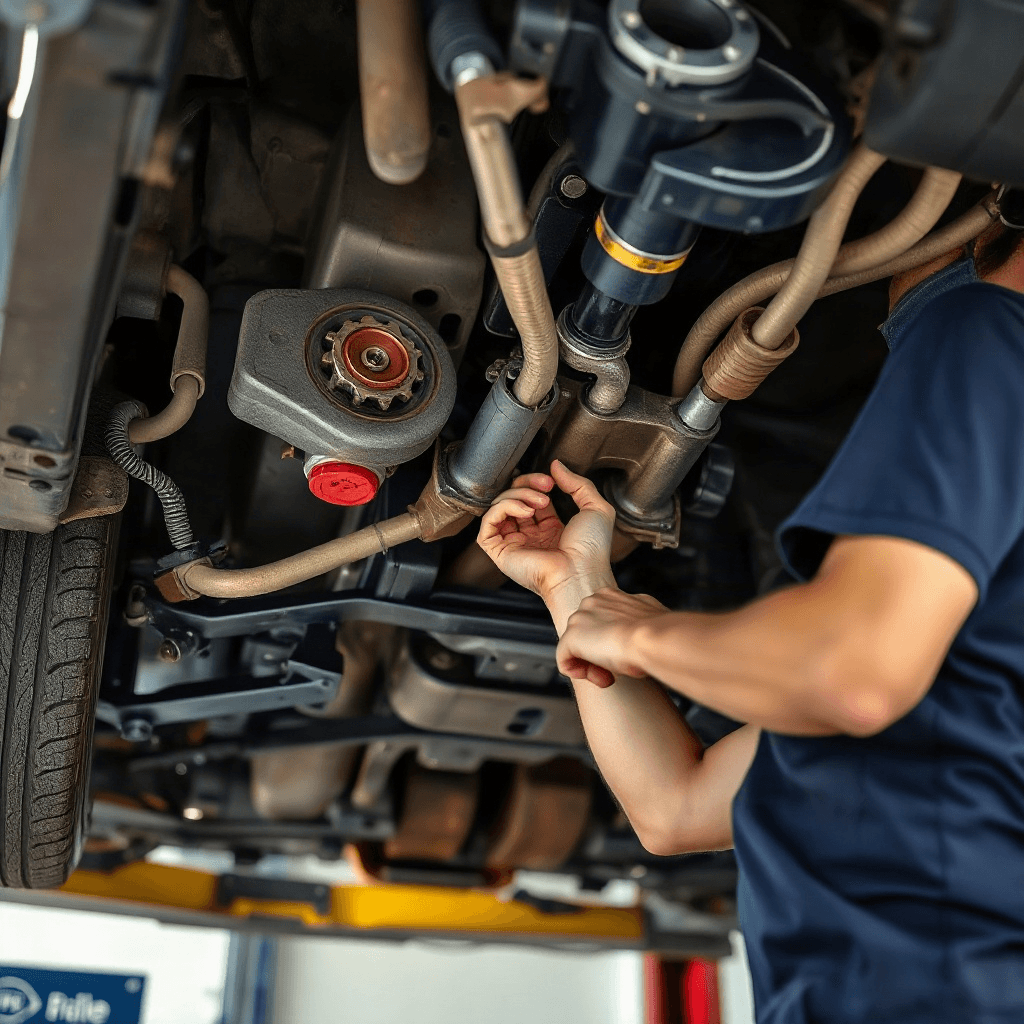
A malfunctioning cooling system can also be a common cause of car overheating. Inspect the radiator, water pump, and thermostat for any signs of wear or damage. It’s essential to ensure that all components of the cooling system are functioning correctly to prevent overheating.
Fixing Car Overheating Issues
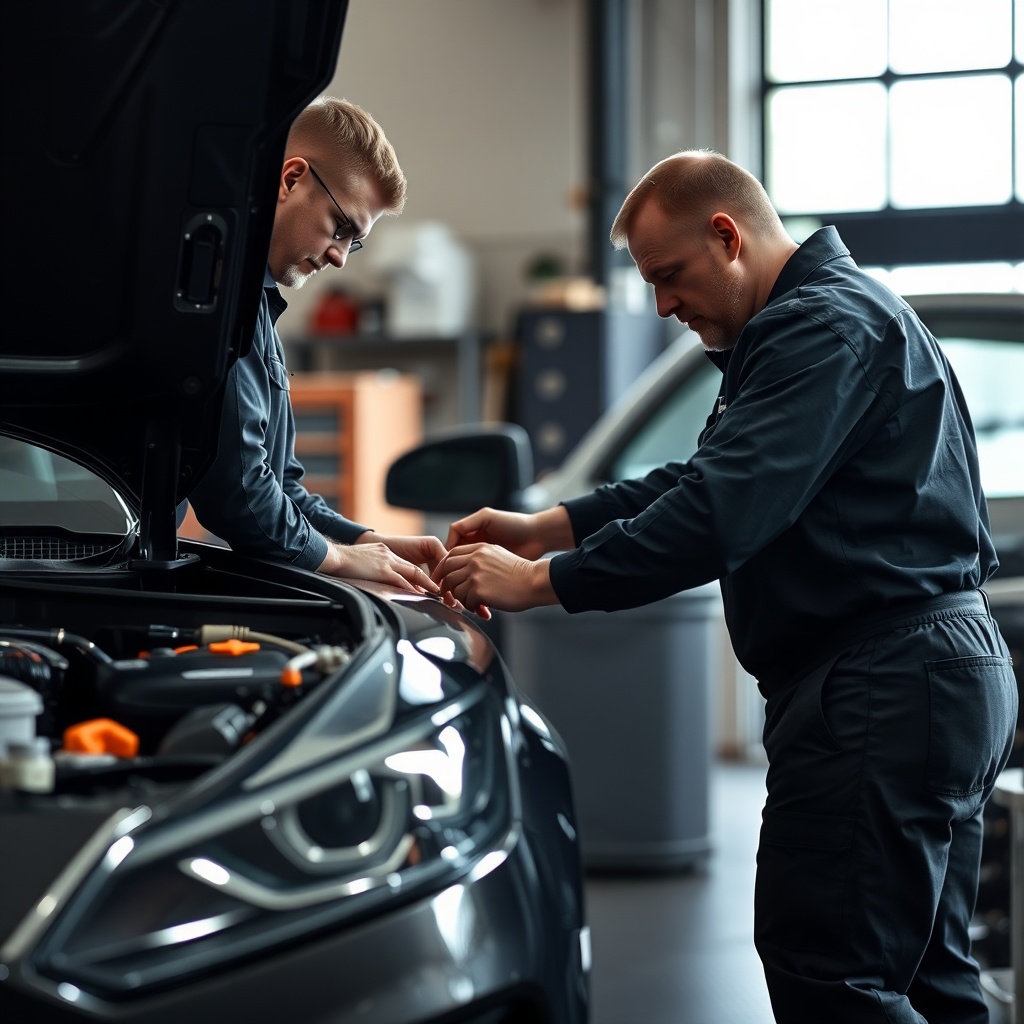
Once you have identified the cause of the overheating, it’s crucial to address the issue promptly. Whether it’s replacing a faulty thermostat, flushing the cooling system, or repairing a leak, taking the necessary steps to fix the problem can prevent costly repairs down the line.
Preventative Maintenance Tips
To prevent car overheating in the future, regular maintenance is key. Make sure to flush the cooling system, replace the coolant as needed, and check the radiator and hoses for any signs of wear. Additionally, monitoring the temperature gauge while driving can help you catch any potential issues early on.