Car Running Rough After Rain: Causes & Fix
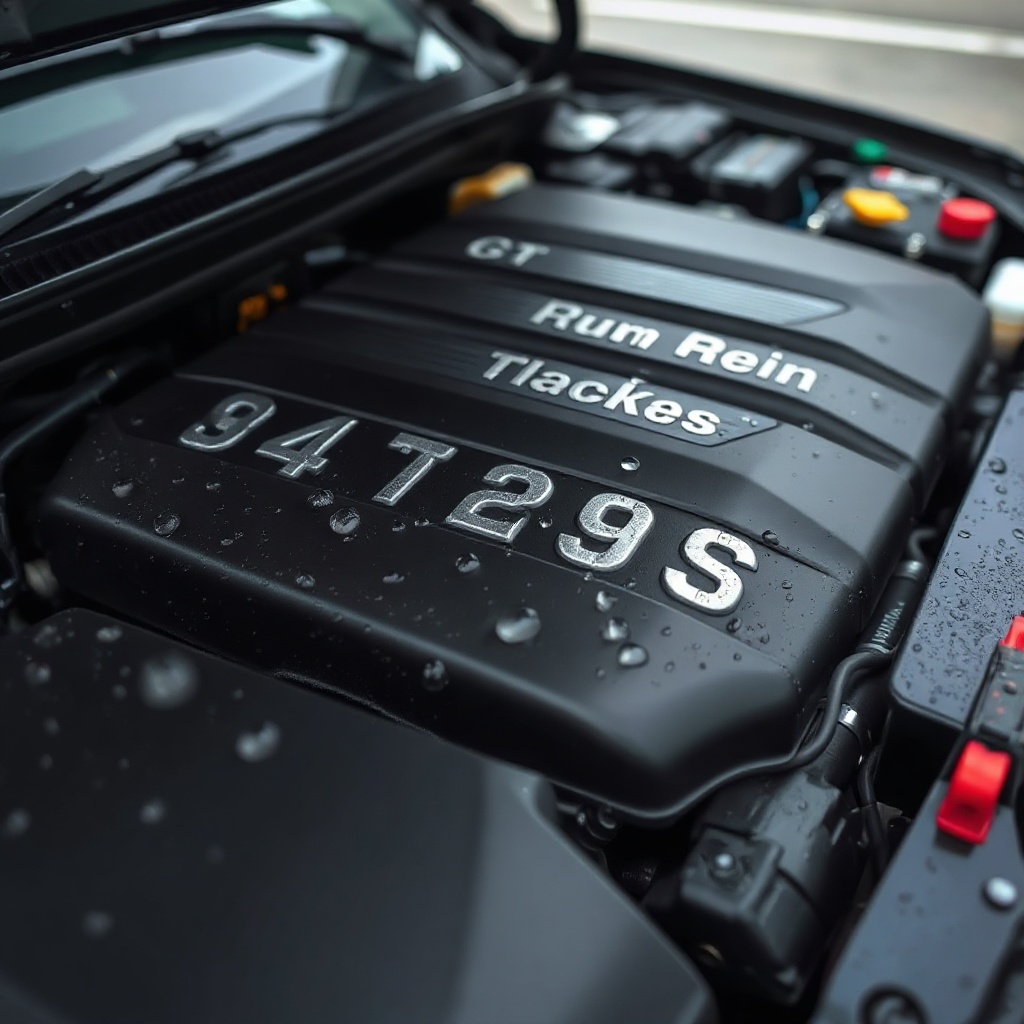
After a heavy rain, many car owners may notice that their vehicle is running rough. This can be a frustrating issue to deal with, but understanding the causes and finding the right fix is essential. In this article, we will explore the reasons why a car runs rough after rain and provide expert solutions to this common problem.
Water in the Ignition System
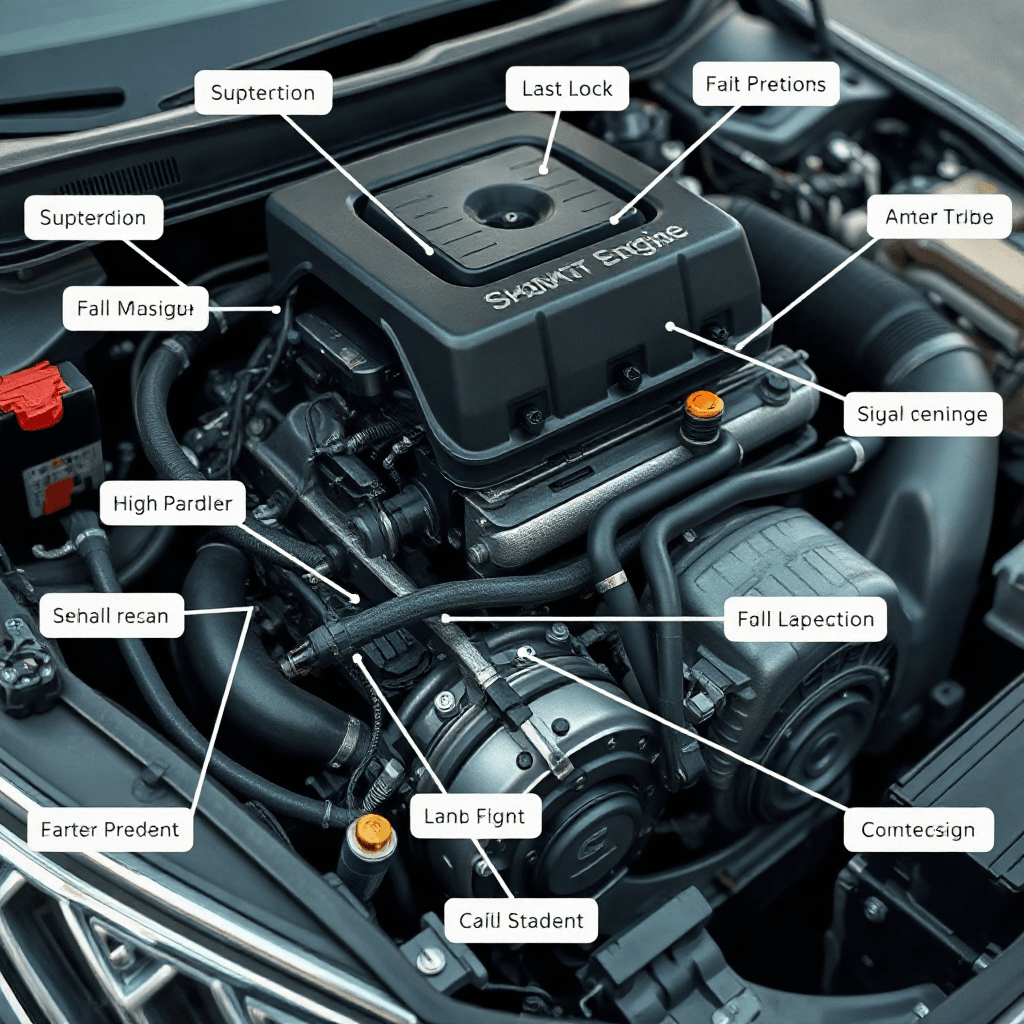
One of the most common reasons for a car running rough after rain is water getting into the ignition system. This can cause misfiring, stalling, and overall poor performance. To fix this issue, it is important to check the spark plugs, ignition coils, and spark plug wires for any signs of water damage. Replacing these components if necessary can help restore your car’s smooth operation.
Wet Air Filter
Another culprit for a rough-running car after rain is a wet air filter. When the air filter becomes saturated with water, it can restrict airflow to the engine, leading to rough idling and reduced power. To solve this problem, simply remove the wet air filter and allow it to dry completely before reinstallation. In some cases, it may be necessary to replace the air filter altogether.
Moisture in the Fuel System
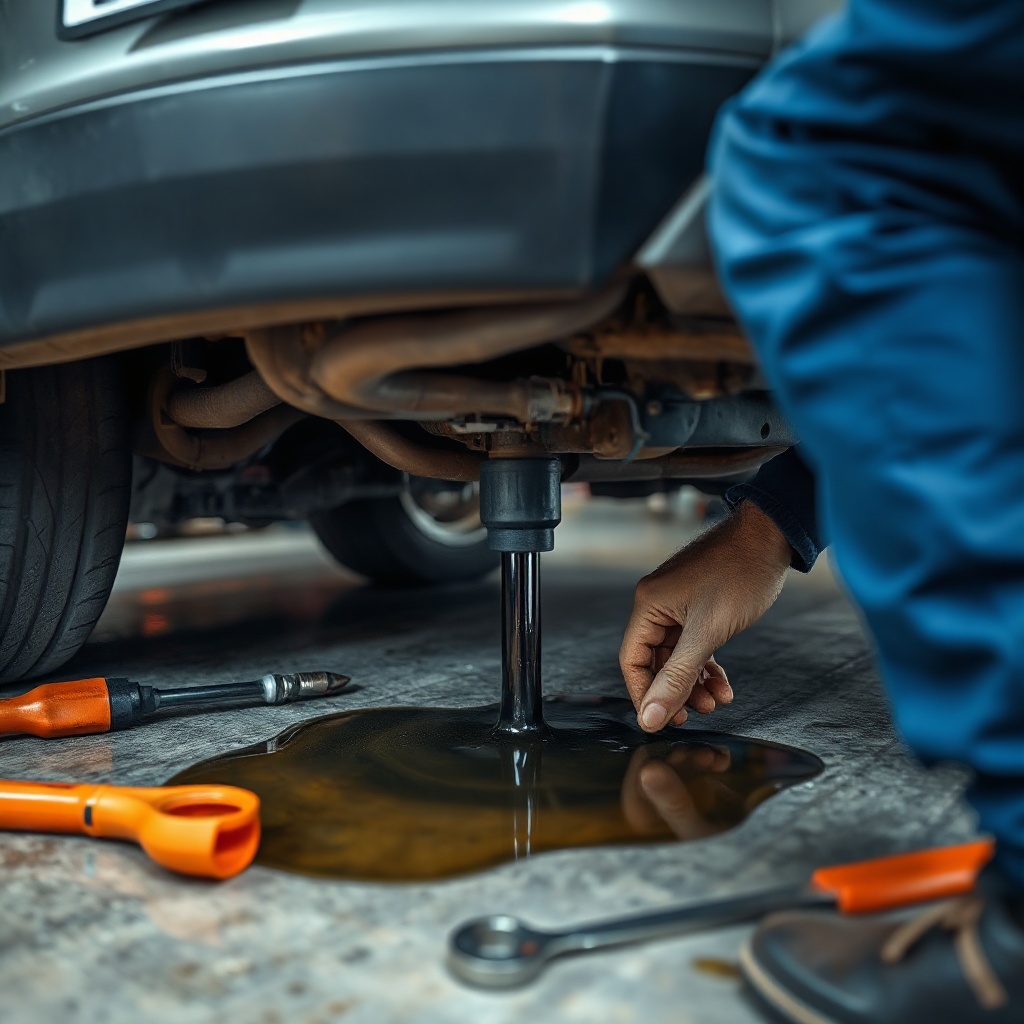
Moisture in the fuel system can also contribute to a car running rough after rain. Water can seep into the fuel tank or fuel lines, causing issues such as poor acceleration and rough running. To address this issue, it is recommended to add a fuel stabilizer or water remover to the gas tank. Additionally, draining the fuel tank and refilling it with fresh fuel may be necessary in severe cases.
Clogged Catalytic Converter
A clogged catalytic converter can also cause a car to run rough, especially after rain. Water entering the exhaust system can lead to the buildup of debris and blockages in the catalytic converter, impacting engine performance. To resolve this issue, a mechanic may need to inspect the catalytic converter and potentially replace it if necessary.
Electrical Issues
Electrical components in the car, such as the battery or alternator, can be affected by moisture after rain, leading to rough running. Checking the battery terminals for corrosion and ensuring all electrical connections are secure can help alleviate this issue. If electrical issues persist, it may be necessary to have a professional diagnose and repair the problem.
Proper Maintenance
Preventative maintenance is key to avoiding a rough-running car after rain. Keeping up with regular tune-ups, replacing worn-out components, and ensuring proper sealing of the vehicle can all contribute to a smoother driving experience. By taking care of your car and addressing any issues promptly, you can minimize the impact of rain on its performance.