Transfer Case Shift Motor vs. Control Module: How to Tell Which Has Failed
When it comes to the functioning of a vehicle’s transfer case, two crucial components play a significant role: the Transfer Case Shift Motor and the Control Module. Understanding the differences between these two parts and identifying which one has failed can save you time and money when it comes to repairs. In this review, we will delve into the distinctions and signs of failure for both the Transfer Case Shift Motor and Control Module.
Transfer Case Shift Motor What You Need to Know
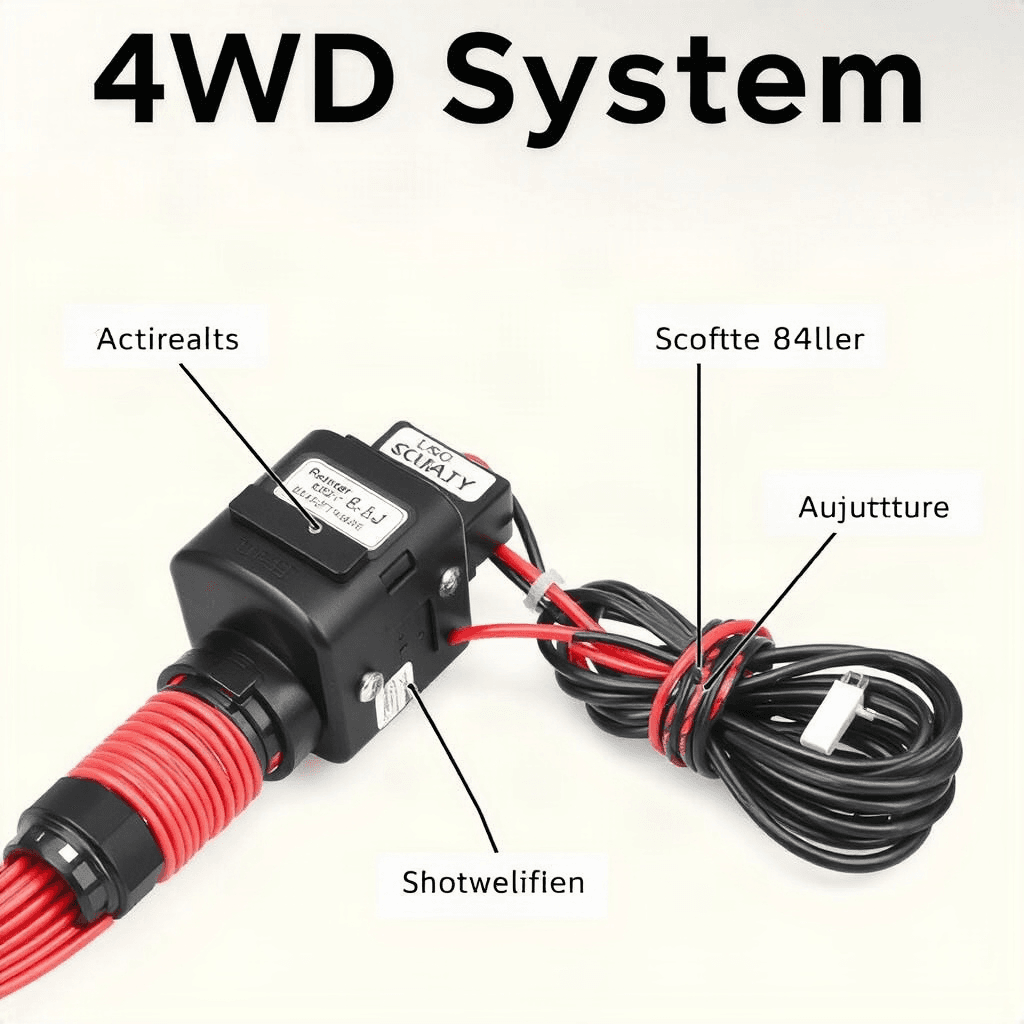
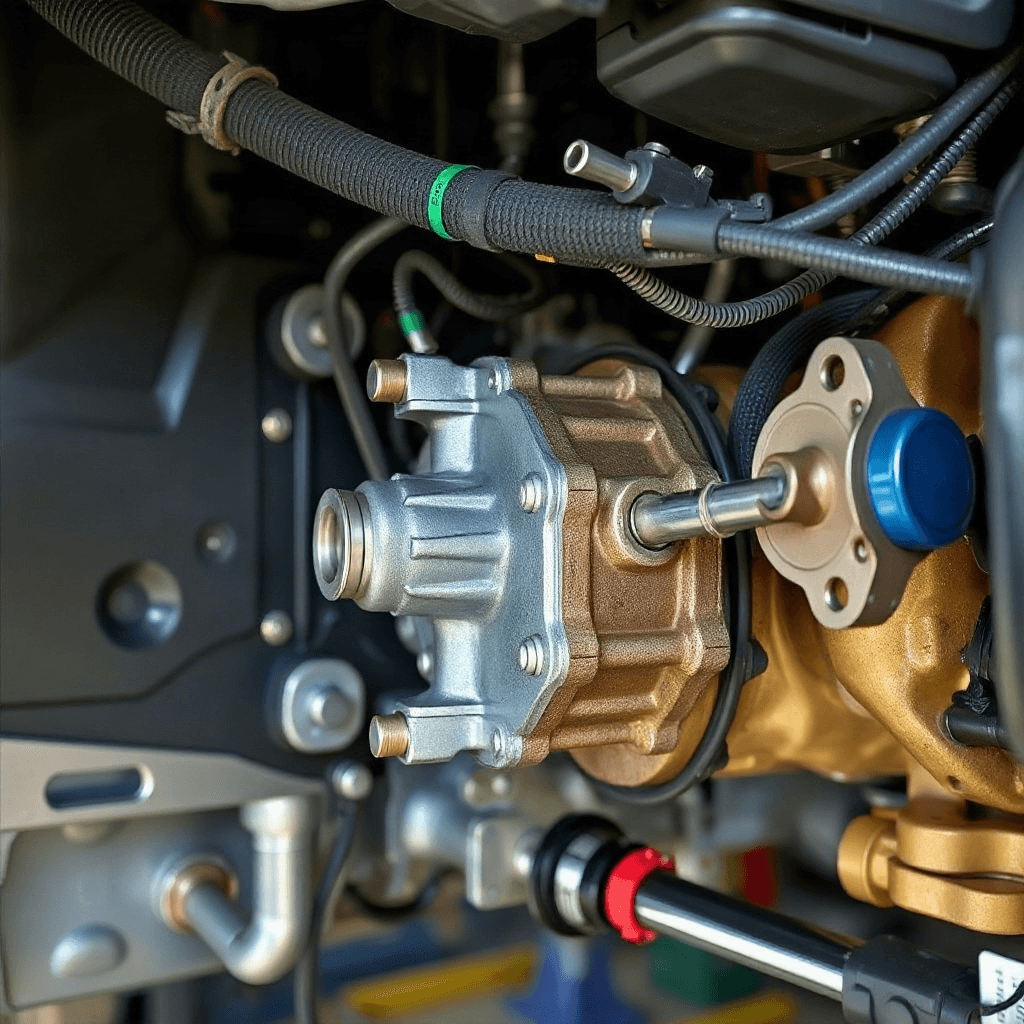
The Transfer Case Shift Motor is responsible for engaging and disengaging the four-wheel drive system in your vehicle. This motor works in tandem with the Control Module to ensure smooth transitions between two-wheel drive and four-wheel drive modes. Signs of a failing Transfer Case Shift Motor include difficulty shifting between drive modes, strange noises during shifting, and inoperable four-wheel drive capabilities.
Control Module The Brain Behind the Operation
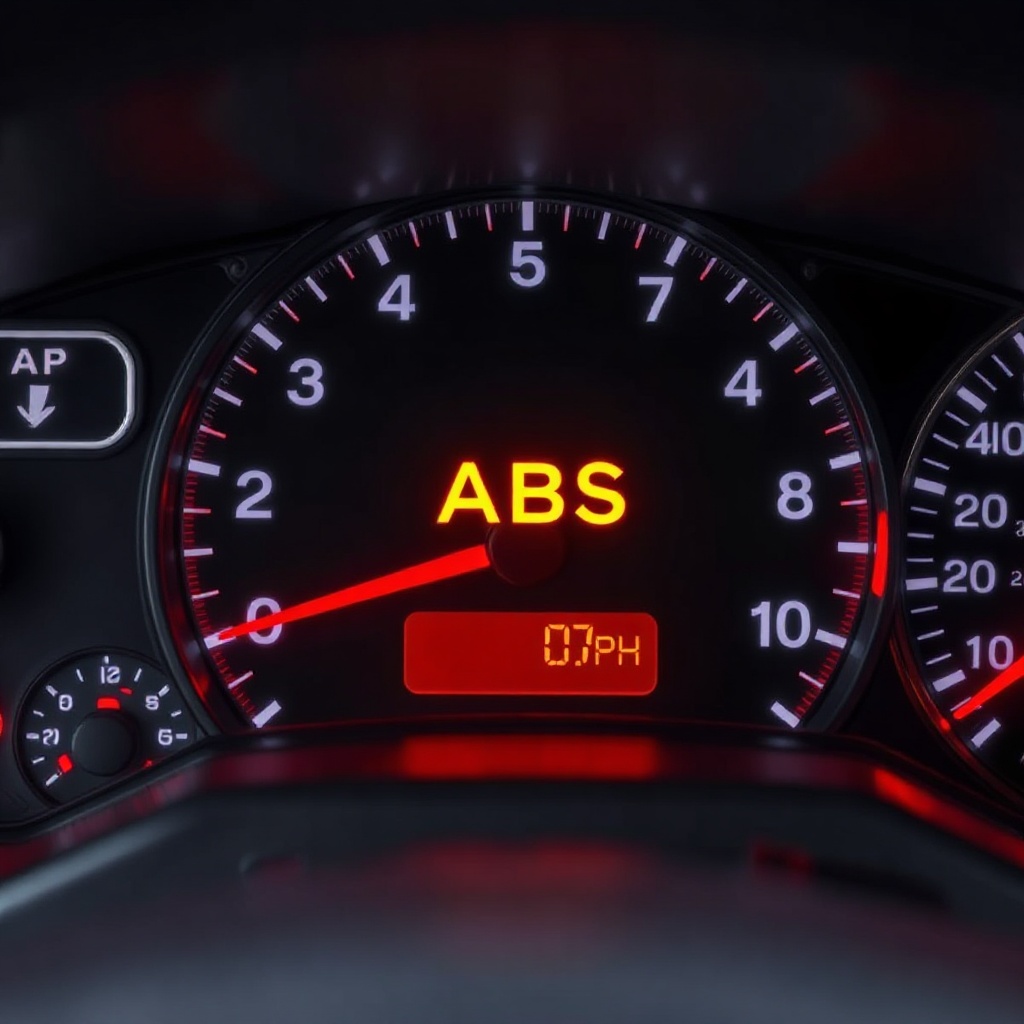
The Control Module acts as the brain of the transfer case system, receiving input from various sensors and determining the appropriate response for engaging the four-wheel drive. A malfunctioning Control Module can lead to erratic shifting behavior, failure to engage four-wheel drive, and warning lights on the dashboard indicating a system fault.
How to Identify the Issue
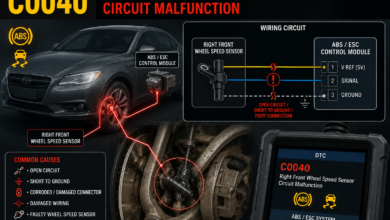
When experiencing issues with your vehicle’s transfer case, it can be challenging to determine whether the problem lies with the Transfer Case Shift Motor or the Control Module. One way to diagnose the problem is to conduct a thorough inspection of both components for any visible signs of damage or wear. Additionally, using a diagnostic tool to scan for error codes can pinpoint the exact source of the issue.
Seeking Professional Help
If you are unable to identify the cause of the problem or lack the necessary tools for a comprehensive diagnosis, it is recommended to seek the assistance of a professional mechanic. A trained technician will be able to perform a thorough inspection of your vehicle’s transfer case system and accurately determine which component requires repair or replacement.
Cost Considerations and Maintenance Tips
Repairing or replacing a Transfer Case Shift Motor or Control Module can vary in cost depending on the make and model of your vehicle. Regular maintenance, such as checking fluid levels and inspecting for leaks, can help prevent premature failure of these components. Additionally, following the manufacturer’s recommended service intervals can prolong the lifespan of your transfer case system.
Conclusion
In conclusion, understanding the differences between the Transfer Case Shift Motor and Control Module is essential for diagnosing issues with your vehicle’s transfer case system. By paying attention to the signs of failure and seeking professional help when needed, you can ensure the optimal performance of your four-wheel drive system. Regular maintenance and timely repairs are key to keeping your vehicle running smoothly on and off the road.