P1349 Code Toyota: VVT System Malfunction
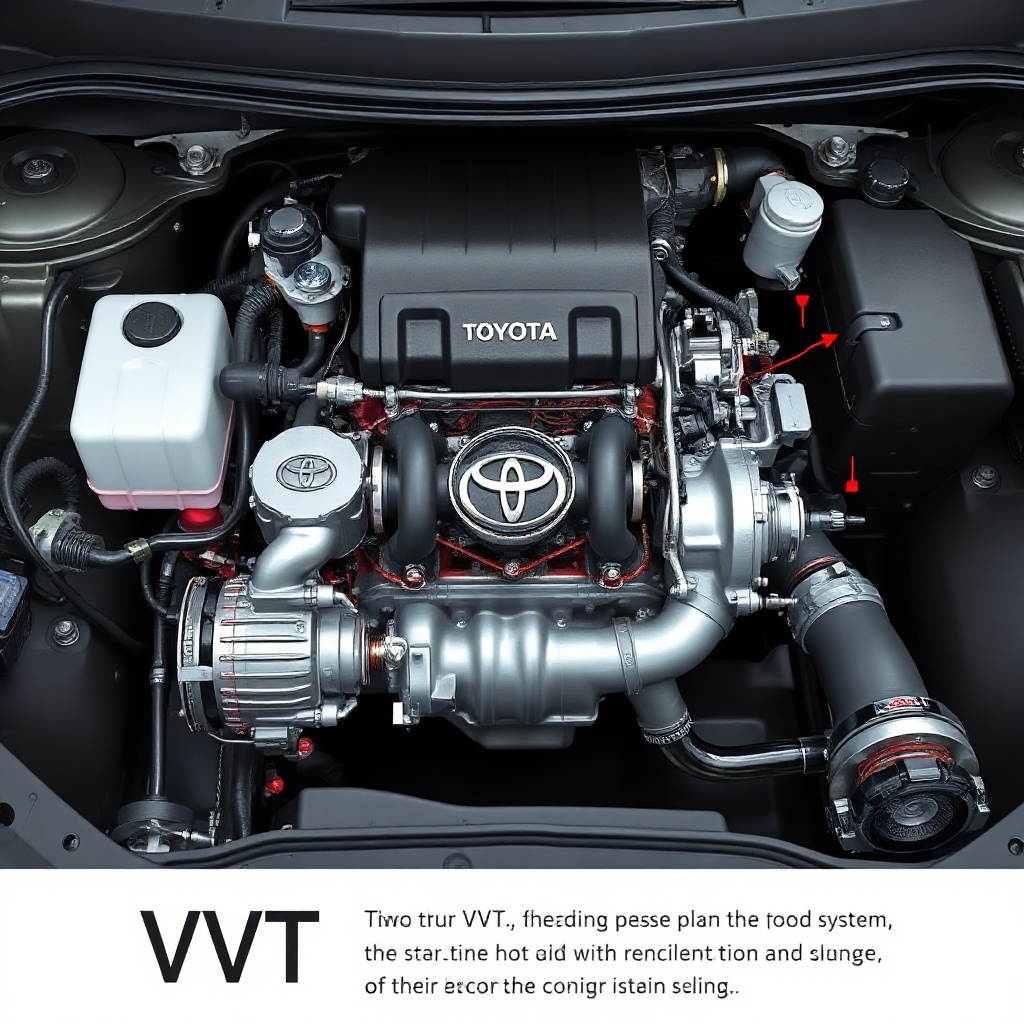
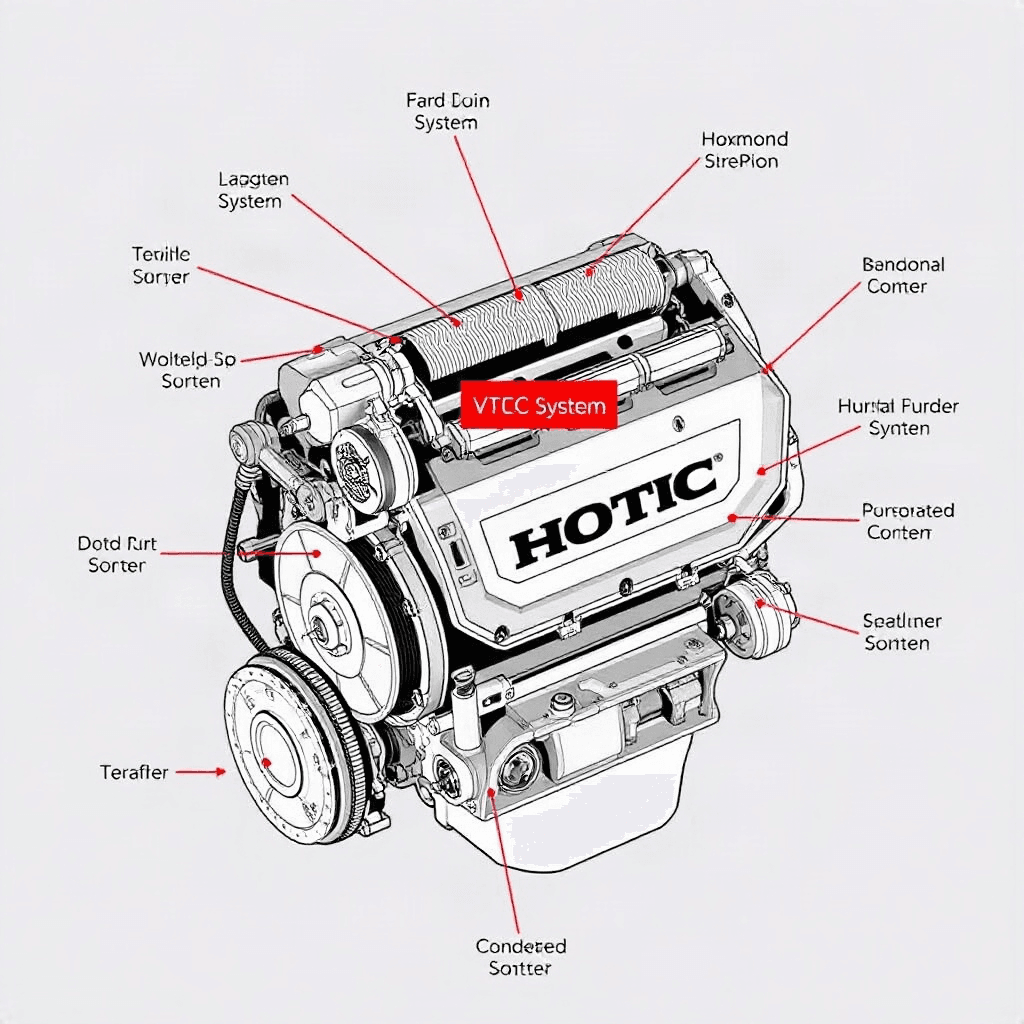
The P1349 Code Toyota is a diagnostic trouble code related to the Variable Valve Timing (VVT) system malfunction in Toyota vehicles. This code indicates that there is an issue with the VVT system, which can lead to various performance problems in the engine. In this analysis, we will delve into the causes, symptoms, and solutions for the P1349 Code Toyota, providing expert insights and recommendations for addressing this issue effectively.
Understanding the P1349 Code Toyota
The P1349 Code Toyota specifically points to a malfunction in the VVT system, which is responsible for adjusting the timing of the engine’s valves for optimal performance. When this system malfunctions, it can lead to issues such as poor fuel efficiency, reduced power output, and increased emissions. It is crucial to address this code promptly to prevent further damage to the engine and ensure the vehicle operates smoothly.
Common Causes of the P1349 Code Toyota
There are several common reasons why the P1349 Code Toyota may appear, including issues with the VVT solenoid, oil control valve, camshaft timing gear, or wiring harness. These components play a vital role in the proper functioning of the VVT system, and any malfunction can trigger the P1349 code. It is essential to conduct a thorough diagnosis to identify the exact cause of the issue and take appropriate measures to rectify it.
Symptoms of a VVT System Malfunction
When the VVT system malfunctions and triggers the P1349 Code Toyota, drivers may notice symptoms such as rough idling, decreased engine performance, and illuminated Check Engine Light. These signs indicate that there is a problem with the VVT system that needs to be addressed promptly. Ignoring these symptoms can lead to more severe issues and potentially costly repairs down the line.
Diagnosing the P1349 Code Toyota
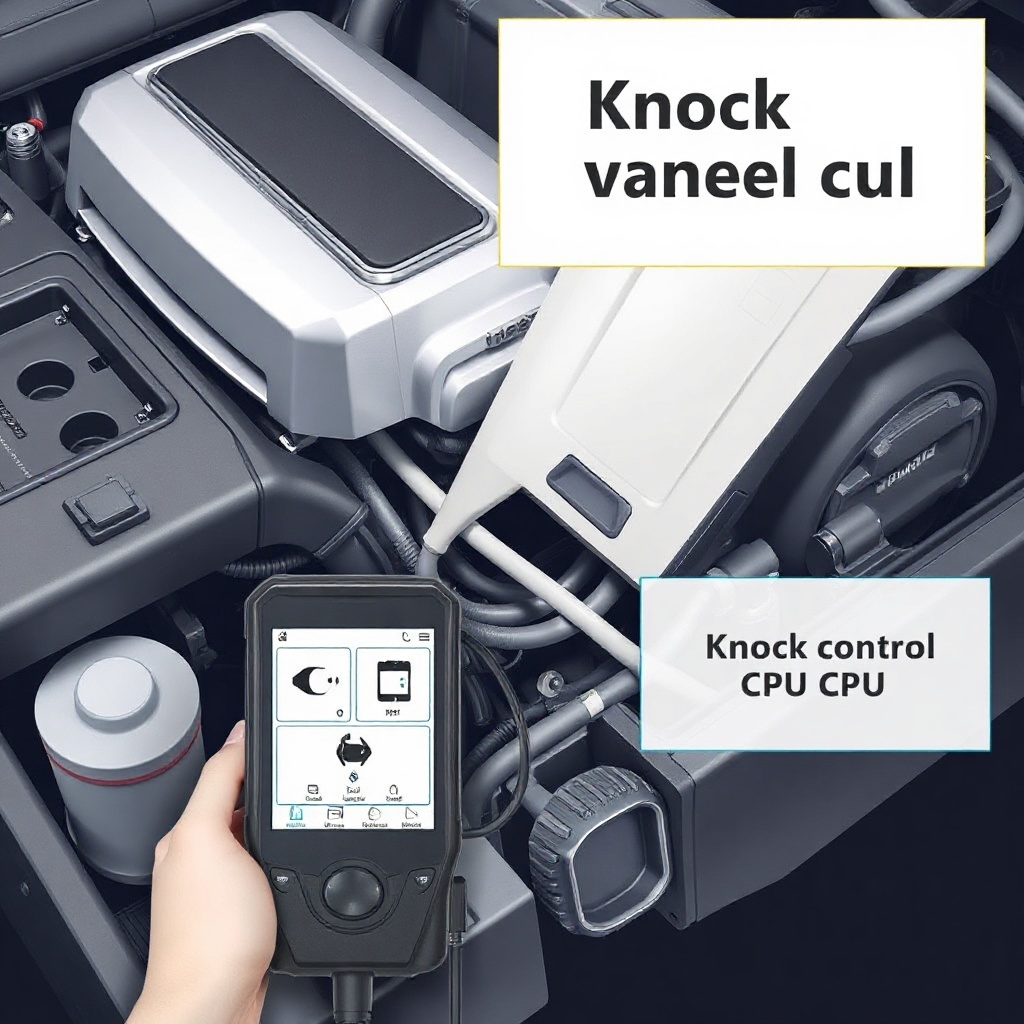
Diagnosing the P1349 Code Toyota requires the use of diagnostic tools to scan the vehicle’s onboard computer for fault codes and conduct a thorough inspection of the VVT system components. A skilled technician can pinpoint the exact cause of the issue and recommend the necessary repairs or replacements to resolve the problem effectively. It is essential to trust experienced professionals to diagnose and repair the VVT system malfunction to ensure the vehicle’s optimal performance.
Resolving the P1349 Code Toyota
Once the root cause of the P1349 Code Toyota is identified, the next step is to address the issue through proper repairs or replacements. Depending on the specific component that is malfunctioning, technicians may need to replace the VVT solenoid, oil control valve, camshaft timing gear, or repair the wiring harness. It is crucial to follow the manufacturer’s recommendations and use high-quality parts to ensure the longevity and performance of the VVT system.
Preventing Future VVT System Issues
To prevent the recurrence of the P1349 Code Toyota and other VVT system malfunctions, drivers should adhere to regular maintenance schedules, including oil changes, inspections, and servicing of the VVT components. By maintaining the VVT system in optimal condition, drivers can enhance the vehicle’s performance, fuel efficiency, and overall longevity. It is essential to prioritize preventive maintenance to avoid costly repairs and ensure a smooth driving experience.