How to Clear OBD2 Codes Permanently
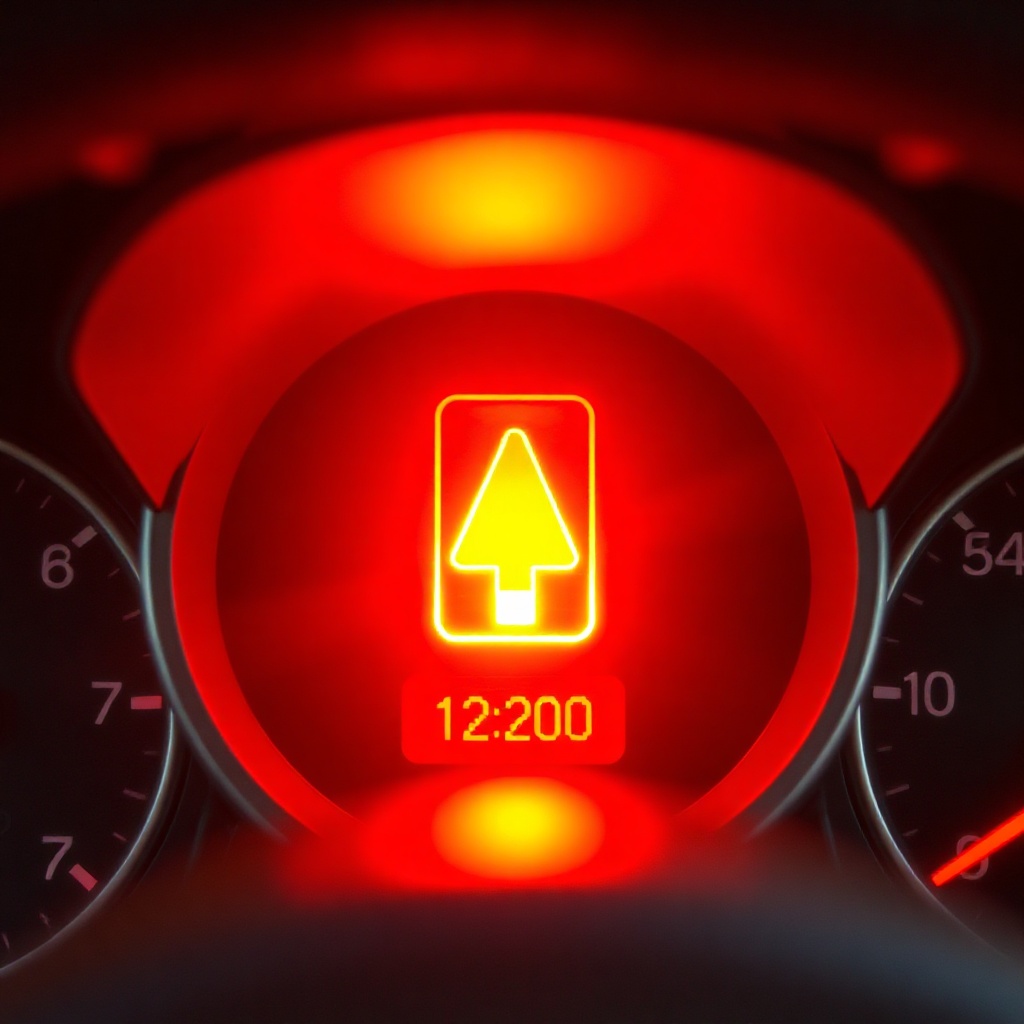
On-Board Diagnostics (OBD) systems in vehicles are designed to monitor the performance of various components and systems in the vehicle. When an issue is detected, the system generates a diagnostic trouble code (DTC), commonly known as an OBD2 code. These codes can indicate a wide range of problems, from minor issues to more serious malfunctions. In this article, we will explore how to clear OBD2 codes permanently, ensuring that the issue is properly addressed and resolved.
Understanding OBD2 Codes
Before we delve into the process of clearing OBD2 codes permanently, it is essential to understand how these codes work. OBD2 codes are standardized across all vehicles manufactured after 1996, making it easier for technicians to diagnose and repair issues. Each code consists of a series of alphanumeric characters that correspond to a specific problem or component. By deciphering these codes, mechanics can pinpoint the exact issue affecting the vehicle.
Using an OBD2 Scanner
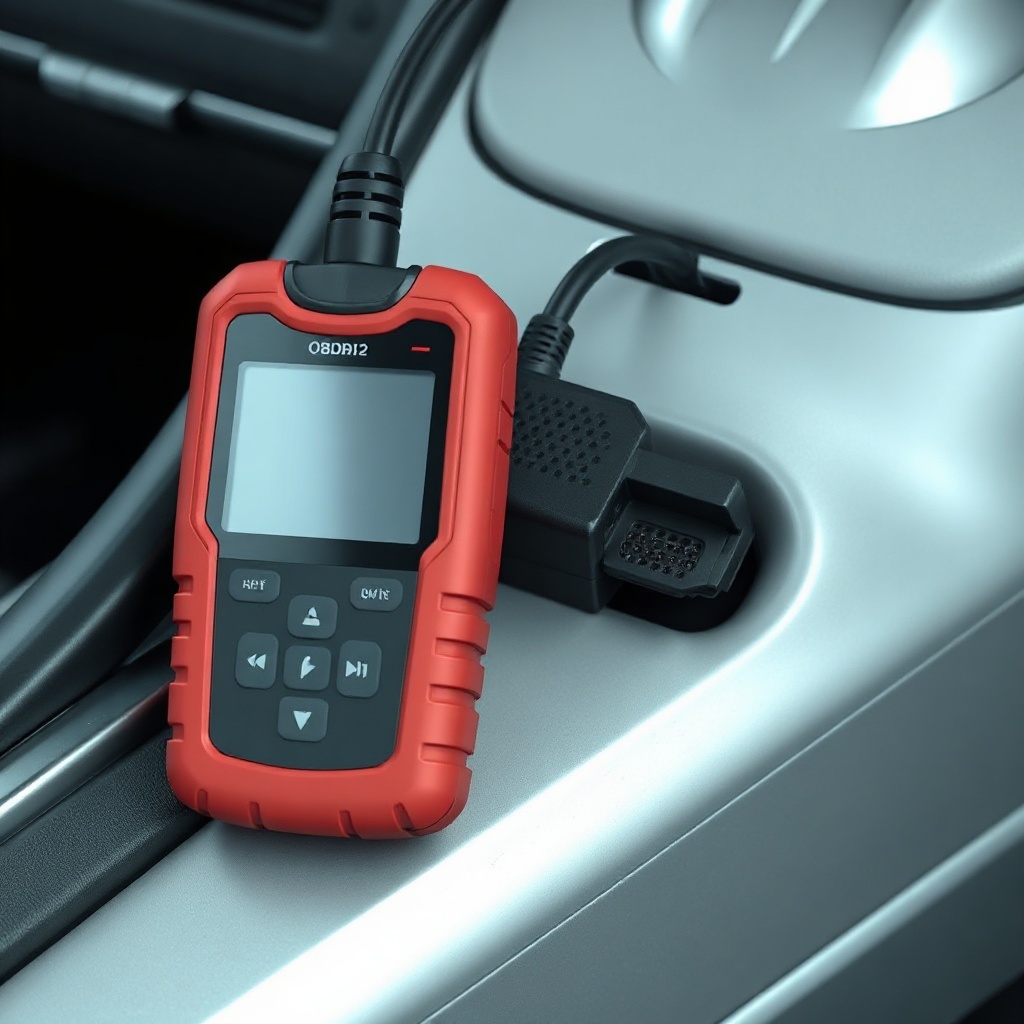
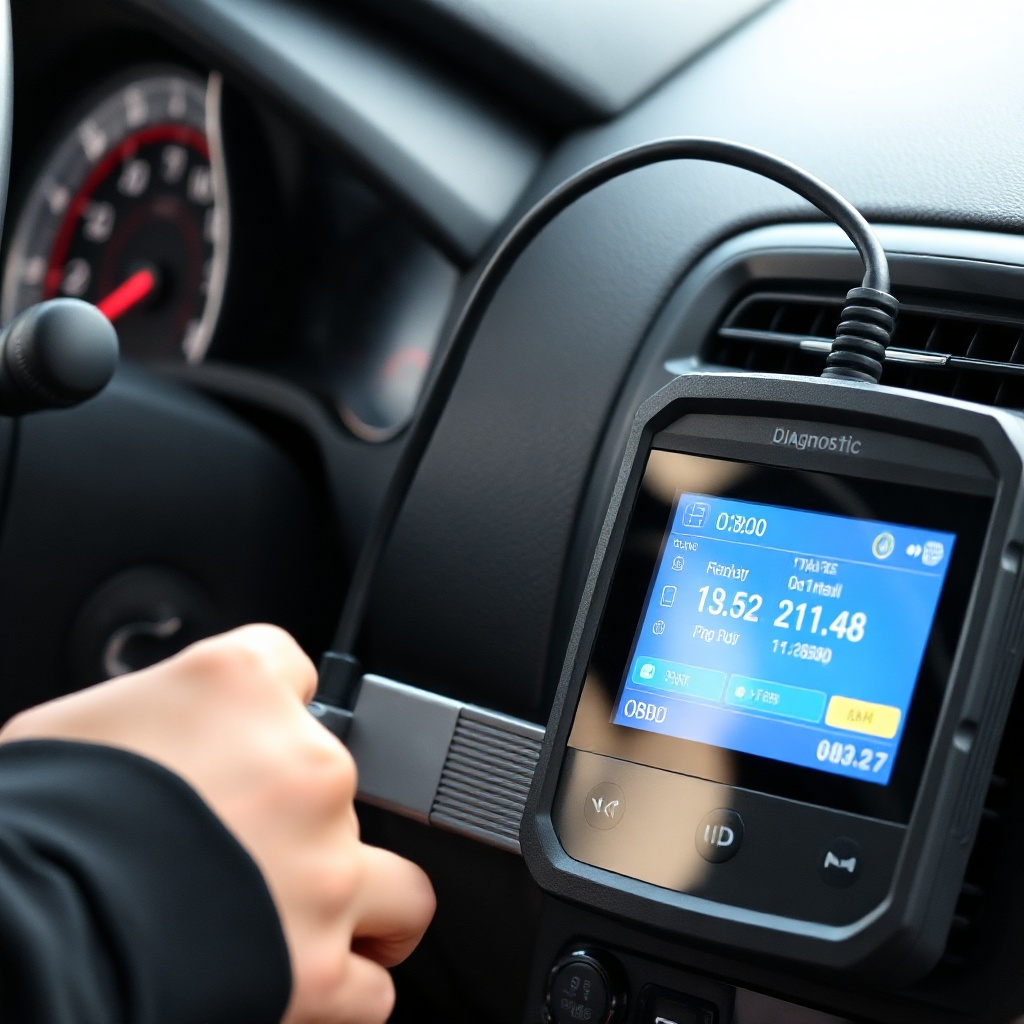
One of the most effective ways to clear OBD2 codes permanently is by using an OBD2 scanner. These handheld devices are designed to communicate with the vehicle’s OBD system and retrieve diagnostic information. To clear the codes, simply connect the OBD2 scanner to the vehicle’s OBD port, typically located under the dashboard. Follow the on-screen instructions to erase the codes from the system. It is important to note that simply clearing the codes may not resolve the underlying issue causing them.
Addressing the Root Cause
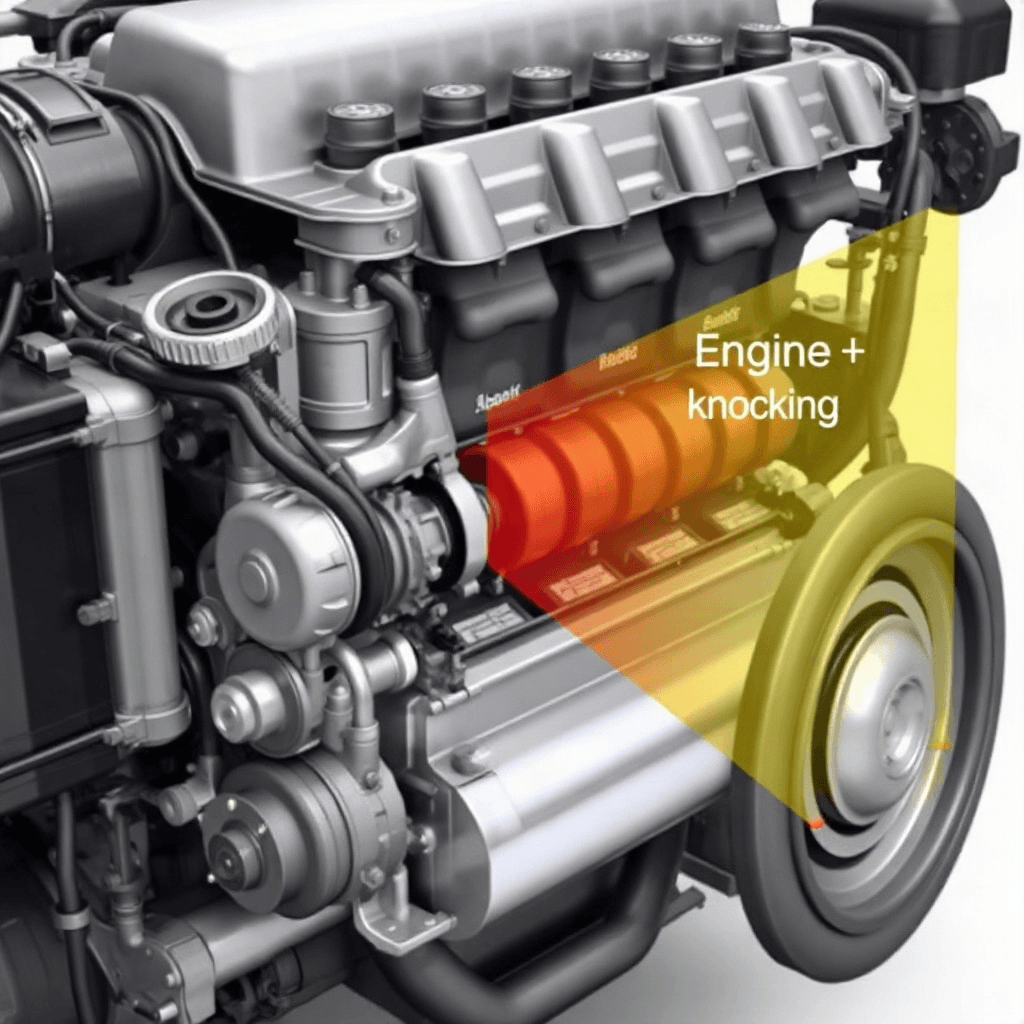
To clear OBD2 codes permanently, it is crucial to address the root cause of the problem. Simply clearing the codes without fixing the underlying issue will result in the codes reappearing once the problem resurfaces. Conduct a thorough diagnosis of the vehicle to identify the source of the issue. Whether it is a faulty sensor, a loose connection, or a more serious malfunction, it is essential to address the root cause to prevent the codes from returning.
Performing Necessary Repairs
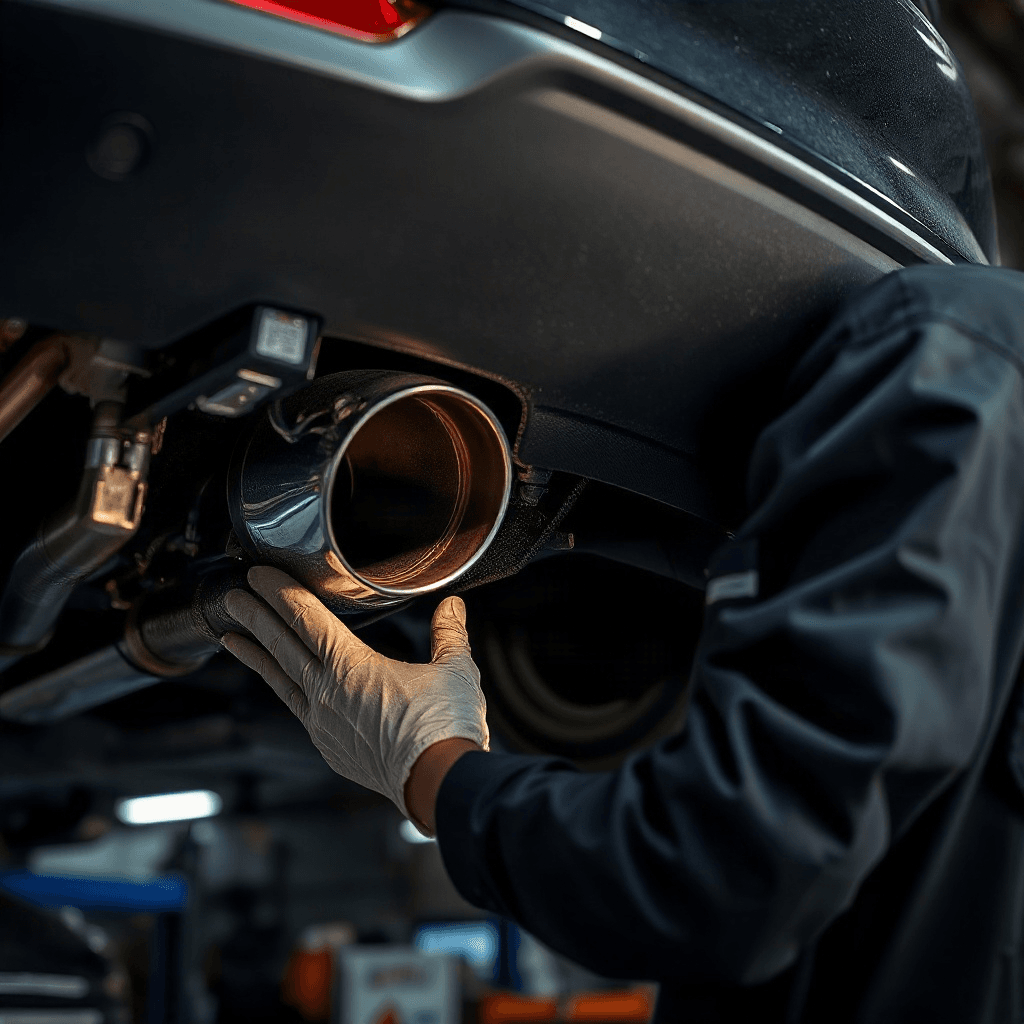
Once the root cause of the problem has been identified, it is time to perform the necessary repairs. This may involve replacing a faulty sensor, repairing a damaged component, or recalibrating a system. It is important to follow manufacturer guidelines and use quality parts to ensure that the repairs are effective. After completing the repairs, clear the OBD2 codes using an OBD2 scanner to confirm that the issue has been resolved permanently.
Regular Maintenance and Monitoring
Preventing OBD2 codes from reappearing requires regular maintenance and monitoring of the vehicle. Conducting routine inspections, servicing key components, and monitoring system performance can help prevent issues from arising. By staying proactive and addressing potential problems early on, you can avoid the recurrence of OBD2 codes and ensure the long-term health of your vehicle.
Seeking Professional Assistance
In some cases, clearing OBD2 codes permanently may require the expertise of a professional mechanic. If you are unable to identify the root cause of the issue or if the problem persists despite your best efforts, seeking professional assistance is recommended. A qualified technician can conduct a comprehensive diagnosis, perform necessary repairs, and ensure that the codes are cleared permanently.