How to Read OBD2 Codes: Step by Step Guide
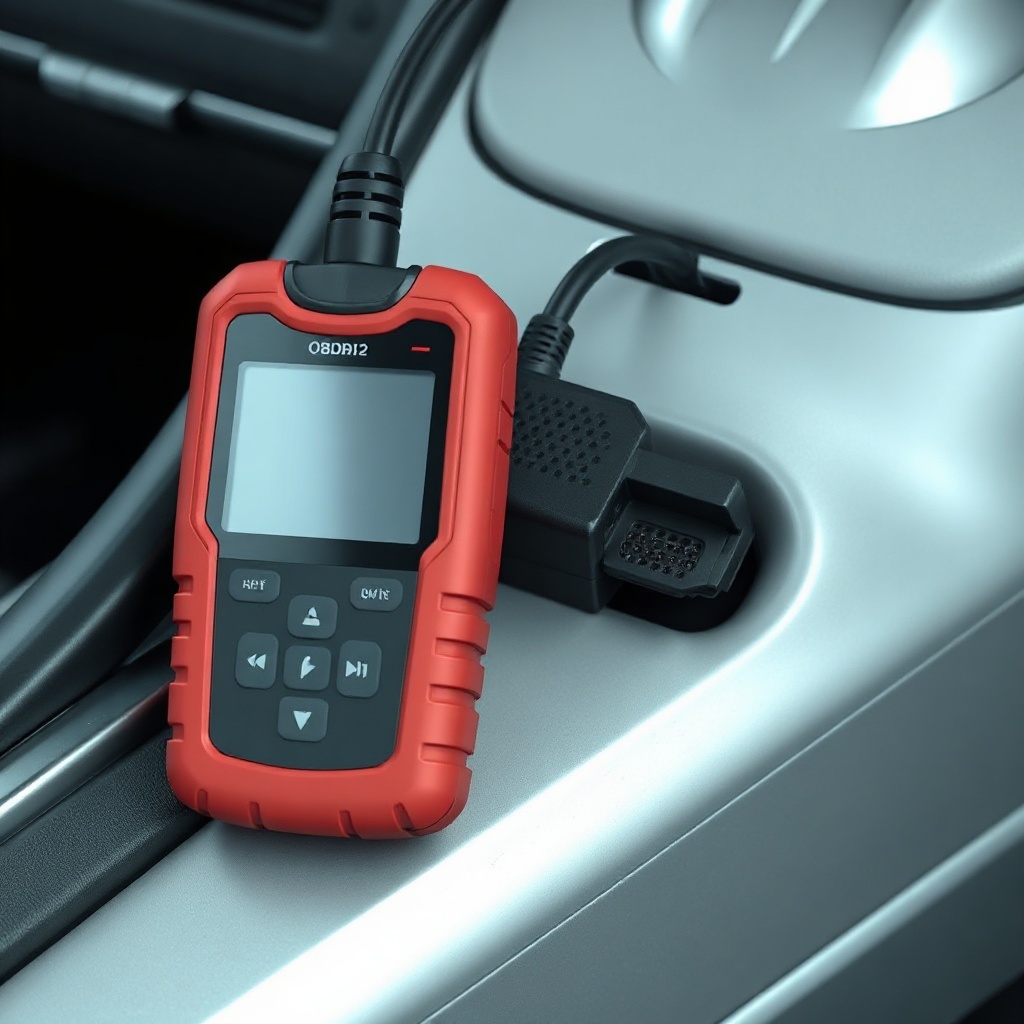
As cars become more advanced with the integration of technology, it has become essential for car owners to be able to understand and interpret the OBD2 codes that their vehicles generate. These codes provide valuable information about the health and performance of the vehicle, helping owners and mechanics diagnose and fix any issues. In this step-by-step guide, we will walk you through the process of reading OBD2 codes effectively.
Understanding OBD2 Codes
OBD2 (On-Board Diagnostics II) codes are standardized codes that are used to communicate issues detected by the vehicle’s onboard computer system. These codes are alphanumeric and are divided into different categories based on the type of issue they indicate. Understanding these codes is crucial for identifying the root cause of any problems your vehicle may be experiencing.
Accessing the OBD2 Port
The first step in reading OBD2 codes is to locate and access the OBD2 port in your vehicle. The OBD2 port is usually located under the dashboard on the driver’s side of the car. Once you have located the port, you will need an OBD2 scanner tool to connect to the port and retrieve the codes.
Connecting the OBD2 Scanner
Connect the OBD2 scanner to the OBD2 port in your vehicle and turn the ignition key to the “ON” position without starting the engine. The scanner will communicate with the vehicle’s onboard computer system and retrieve any stored codes. Make sure to follow the instructions provided with your specific OBD2 scanner for the correct procedure.
Retrieving and Interpreting the Codes
Once the scanner has retrieved the codes, you can view them on the scanner’s display. The codes will be displayed as a series of alphanumeric characters, with each code corresponding to a specific issue detected by the vehicle. Refer to the scanner’s user manual or online resources to interpret the codes and understand what they mean.
Diagnosing the Issues
After interpreting the codes, you can use the information to diagnose the issues affecting your vehicle. The codes will point you in the right direction by indicating the system or component that is experiencing a problem. This will help you narrow down the potential causes and take the necessary steps to address the issues.
Clearing the Codes
Once you have diagnosed and fixed the issues with your vehicle, you may want to clear the OBD2 codes to reset the system. This can be done using the OBD2 scanner by selecting the option to clear the codes. It is important to note that clearing the codes will also reset any readiness monitors, so make sure to follow the proper procedure.
In conclusion, understanding how to read OBD2 codes is a valuable skill for car owners and mechanics alike. By following this step-by-step guide, you can effectively retrieve, interpret, and diagnose the codes generated by your vehicle. Stay informed and stay ahead of any potential issues by regularly checking and understanding your OBD2 codes.