Chassis

C1201 Code Toyota: ABS System Malfunction
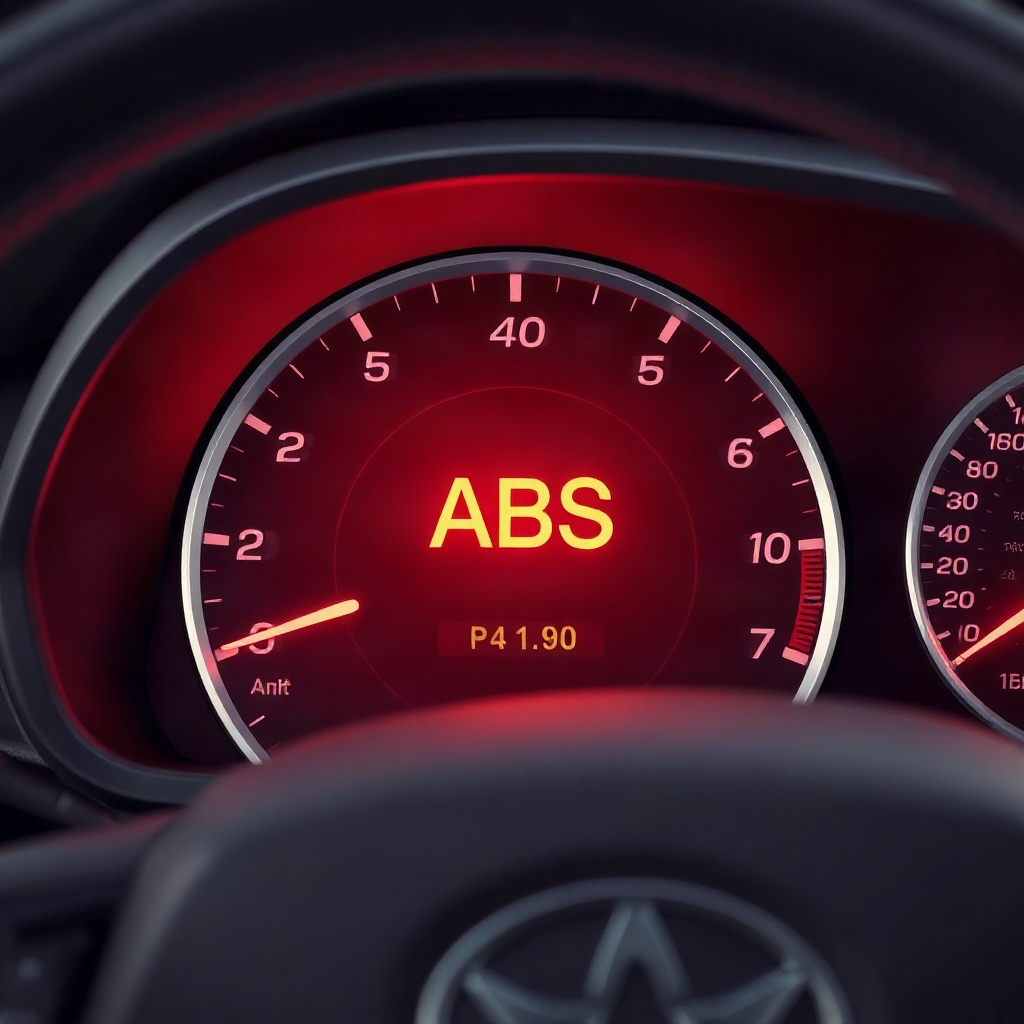
I remember the first time the C1201 code popped up on my Toyota dashboard. It was a rainy evening, and I was driving back home from work when suddenly the ABS light illuminated on the instrument panel. As a seasoned driver, I knew that this code indicated a malfunction in the ABS system, and I immediately pulled over to assess the situation. Little did I know that this was just the beginning of a long and frustrating journey with my beloved car.

Understanding the C1201 Code

The C1201 code is a common issue that many Toyota owners face. It is specifically related to the ABS system, which is responsible for preventing the wheels from locking up during emergency braking situations. When this code appears, it means that there is a malfunction in the system, and it needs to be addressed as soon as possible to ensure the safety of the vehicle and its passengers.

Symptoms of ABS System Malfunction

One of the first signs that something is wrong with the ABS system is the illumination of the ABS light on the dashboard. In addition to this warning light, drivers may also experience issues such as a pulsating brake pedal, a loss of traction during braking, or unusual noises coming from the brakes. These symptoms should not be ignored, as they can indicate a serious problem with the ABS system that needs immediate attention.

Causes of the C1201 Code

There are several potential causes for the C1201 code to appear on a Toyota vehicle. Common culprits include faulty wheel speed sensors, damaged wiring or connectors in the ABS system, or a malfunctioning ABS control module. In some cases, the code may also be triggered by low brake fluid levels or air bubbles in the brake lines. Identifying the root cause of the issue is crucial for effectively addressing the problem and preventing further damage to the ABS system.

Troubleshooting the Issue

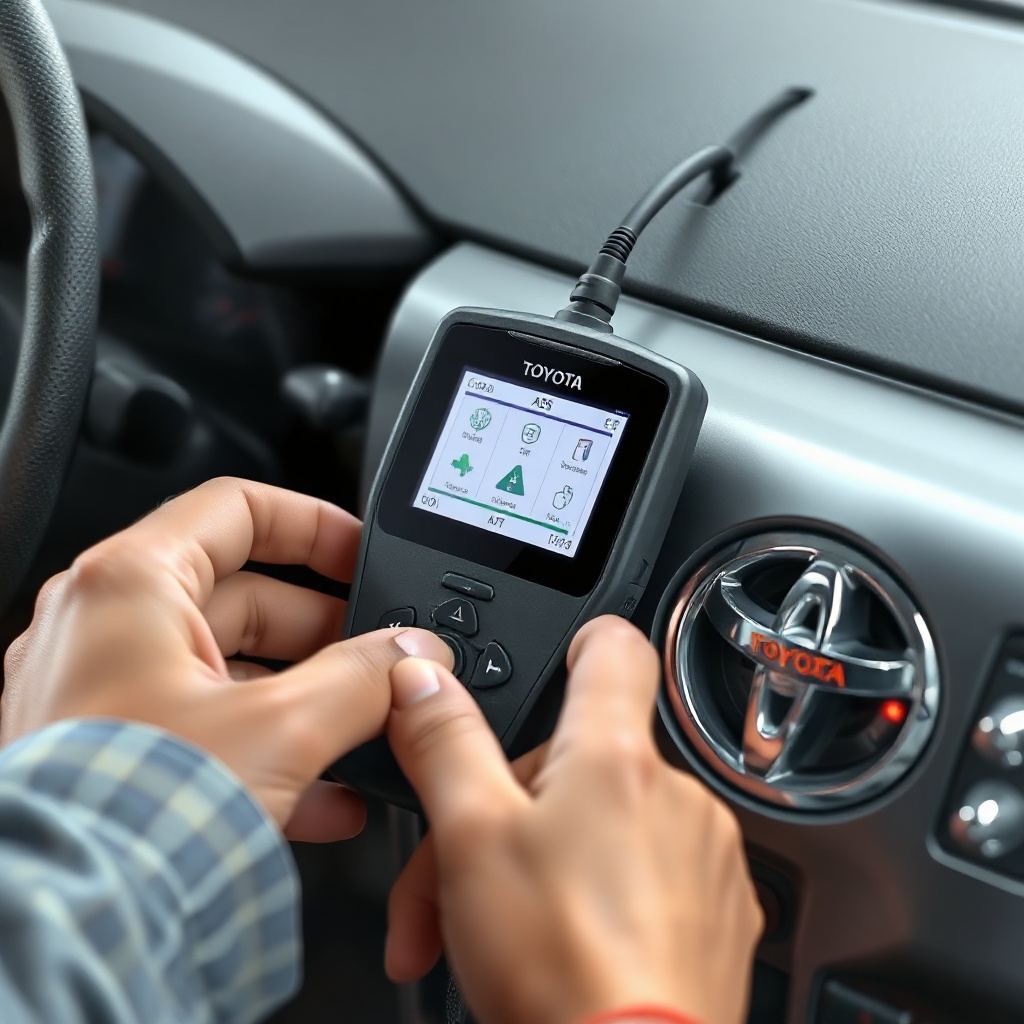
When faced with the C1201 code, it is important to take a systematic approach to troubleshooting the issue. This may involve conducting a visual inspection of the ABS system components, performing diagnostic tests using a scan tool, or seeking assistance from a professional mechanic. By methodically checking each potential cause of the problem, drivers can pinpoint the issue and take the necessary steps to resolve it in a timely manner.

Resolving the C1201 Code

Once the root cause of the C1201 code has been identified, it is essential to take action to resolve the issue. This may involve replacing faulty components, repairing damaged wiring, or resetting the ABS system using a diagnostic tool. In some cases, a simple fix such as replenishing brake fluid or bleeding the brake lines may be sufficient to clear the code and restore the ABS system to proper working order. However, if the issue persists, it is advisable to seek professional help to ensure the safety and reliability of the vehicle.
Related Articles

Leave a Reply

Your email address will not be published. Required fields are marked *

Manufacturer

C1201 Code Toyota: ABS System Malfunction

Have you ever encountered the C1201 code on your Toyota dashboard indicating an ABS system malfunction? This error code can be quite alarming for many Toyota owners, as it points to a potential issue with the Anti-lock Braking System (ABS). In this expert analysis, we will delve into the details of the C1201 code, its implications, and what steps you can take to address this issue effectively.

Understanding the C1201 Code

The C1201 code specifically refers to a malfunction in the Engine Control Module (ECM) communication circuit. This communication error can lead to a disruption in the ABS system’s operation, potentially compromising the vehicle’s braking performance. When this code appears on your dashboard, it is crucial to address it promptly to ensure the safety and reliability of your Toyota vehicle.

Common Causes of ABS System Malfunction

There are several common factors that can trigger the C1201 code in Toyota vehicles. These include issues with the wiring harness, faulty sensors, or problems with the ECM itself. Additionally, a low battery voltage or poor electrical connections can also contribute to the occurrence of this error code. Identifying the root cause of the ABS system malfunction is essential to implementing an effective solution.

Diagnostic Steps for Resolving the C1201 Code

When faced with the C1201 code, it is recommended to conduct a thorough diagnostic process to pinpoint the exact cause of the ABS system malfunction. This may involve using a diagnostic scanner to retrieve the error codes stored in the system, as well as performing a visual inspection of the ABS components. By following a systematic approach to diagnosis, you can streamline the troubleshooting process and expedite the resolution of the issue.

Addressing the C1201 Code Repair and Maintenance

Once the root cause of the ABS system malfunction has been identified, it is essential to take appropriate measures to address the issue effectively. This may involve repairing or replacing faulty components, such as sensors or wiring harnesses, to restore the ABS system’s functionality. Regular maintenance and inspection of the ABS system can also help prevent the recurrence of the C1201 code in the future.

Ensuring Safety and Reliability on the Road

Maintaining a properly functioning ABS system is crucial for ensuring the safety and reliability of your Toyota vehicle on the road. By addressing the C1201 code promptly and conducting regular maintenance checks, you can minimize the risk of ABS system malfunctions and enhance the overall performance of your vehicle. Remember, safety always comes first when it comes to your vehicle’s braking system.

Expert Advice Consult a Professional

If you are unsure about how to address the C1201 code or if you encounter any difficulties during the diagnostic process, it is advisable to seek professional assistance. Consulting a qualified mechanic or technician with experience in ABS system repairs can provide you with the expertise and guidance needed to resolve the issue effectively. Remember, your safety is paramount when it comes to addressing ABS system malfunctions.

Related Articles

Leave a Reply

Your email address will not be published. Required fields are marked *

Back to top button