How to Fix a Car That Burns Oil
Cars that burn oil can be a frustrating issue for many drivers, leading to decreased performance and potential damage to the engine. Knowing how to fix a car that burns oil is essential for maintaining the health and longevity of your vehicle. In this expert guide, we will explore the common causes of oil burning in cars and provide practical solutions to address this issue effectively.
Understanding Oil Consumption in Cars
Oil consumption in cars can be caused by various factors, including worn piston rings, valve seals, or gaskets. When these components wear out, oil can leak into the combustion chamber and get burned along with the fuel. Monitoring your car’s oil consumption and understanding the root cause of the issue is crucial in determining the appropriate fix.
Checking for Oil Leaks
One common cause of oil burning in cars is oil leaks. Inspect your vehicle for any signs of oil leaks, such as oil spots on the ground where you park. Common areas to check for leaks include the oil pan, valve cover gasket, and oil filter. Identifying and fixing oil leaks can help reduce oil consumption and prevent further damage to your engine.
Regular Oil Changes
Maintaining a regular oil change schedule is essential for preventing oil burning in cars. Over time, old and dirty oil can break down and lose its lubricating properties, leading to increased friction and heat in the engine. Regular oil changes with high-quality oil can help reduce oil consumption and improve engine performance.
Using the Right Oil
Using the correct type of oil for your vehicle is critical in preventing oil burning issues. Consult your owner’s manual or a certified mechanic to determine the recommended oil viscosity and type for your car. Using the wrong oil can lead to increased oil consumption and potential engine damage.
Inspecting the PCV Valve
The Positive Crankcase Ventilation (PCV) valve plays a crucial role in regulating crankcase pressure and preventing oil leaks. A malfunctioning PCV valve can cause excess pressure to build up in the crankcase, leading to oil leaks and oil burning. Regularly inspecting and replacing the PCV valve can help prevent oil consumption issues.
Seeking Professional Help
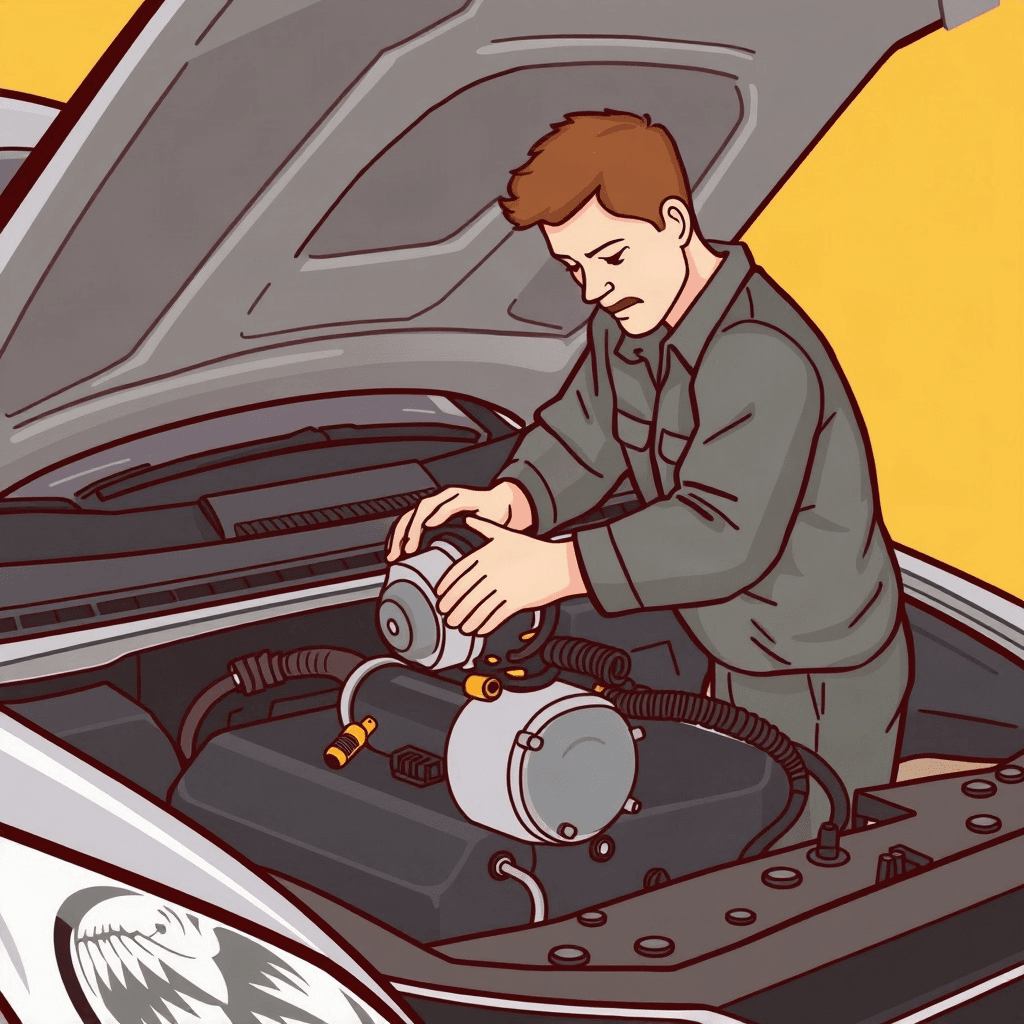
If you have tried the above solutions and your car still burns oil, it may be time to seek professional help. A certified mechanic can perform a thorough inspection of your vehicle and diagnose any underlying issues causing oil burning. They can recommend the appropriate repairs or replacements to fix the problem effectively.
In conclusion, addressing oil burning issues in cars requires a combination of preventive maintenance and timely repairs. By understanding the common causes of oil consumption and taking proactive measures to prevent leaks and maintain proper lubrication, you can keep your car running smoothly and efficiently for years to come.