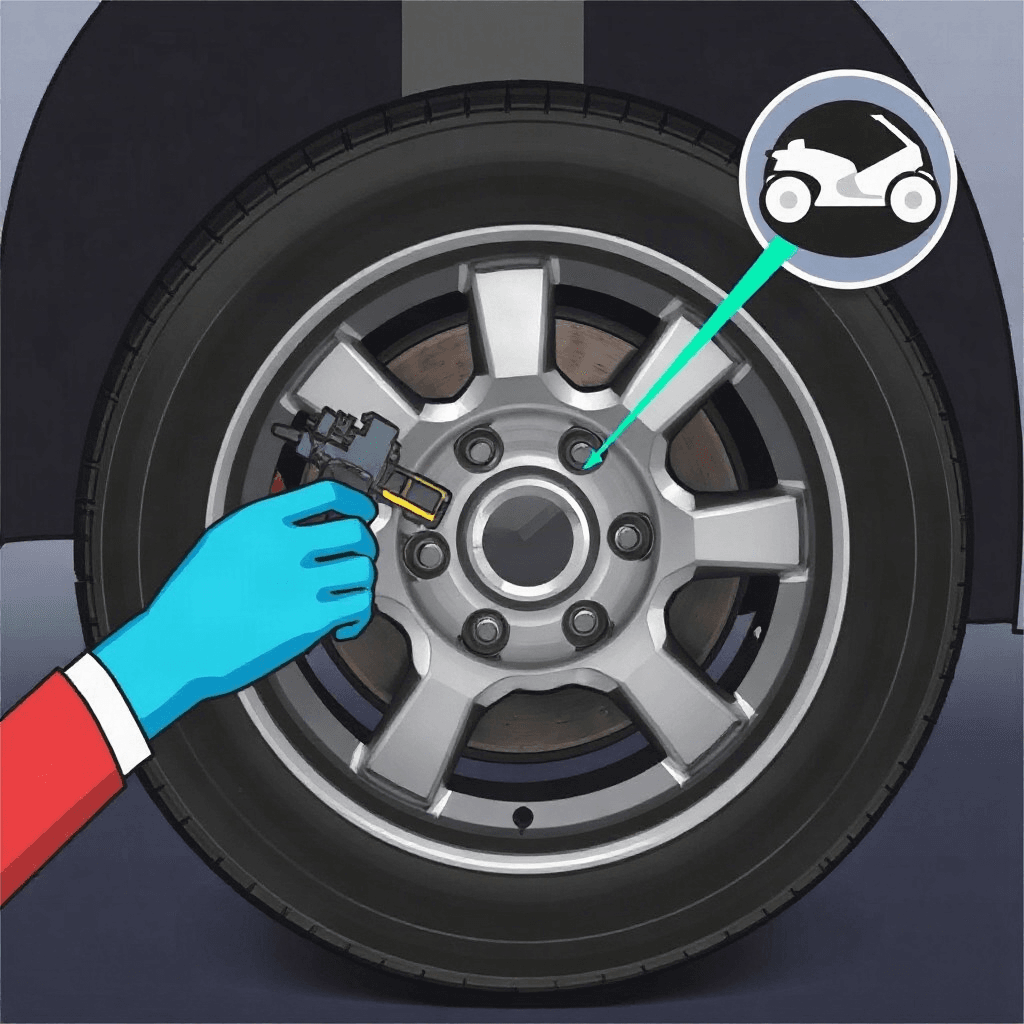
Transfer Case Control Module Fault: Symptoms & Fix

As professionals in the field of automotive technology, we understand the importance of identifying and fixing issues related to the Transfer Case Control Module (TCCM). In this analysis, we will explore the common symptoms of a faulty TCCM and discuss the appropriate fixes to address these issues.
Understanding the Transfer Case Control Module
The Transfer Case Control Module, also known as the TCCM, is a crucial component in vehicles with four-wheel drive systems. It is responsible for controlling the electronic components of the transfer case, ensuring smooth operation and seamless transition between two-wheel drive and four-wheel drive modes.
Common Symptoms of a Faulty TCCM
When the TCCM malfunctions, it can manifest in various ways. Some common symptoms of a faulty TCCM include intermittent or complete loss of four-wheel drive functionality, dashboard warning lights indicating a problem with the 4WD system, unusual noises coming from the transfer case, and difficulty shifting between drive modes.
Diagnosing TCCM Issues
Diagnosing TCCM issues requires specialized diagnostic equipment and knowledge of the vehicle’s specific make and model. By using a scan tool to retrieve error codes from the TCCM, technicians can pinpoint the exact nature of the problem and proceed with the appropriate repairs.
Fixing a Faulty TCCM
Once the issue with the TCCM has been identified, the next step is to determine the best course of action for repairs. In some cases, a simple reprogramming of the TCCM may resolve the issue. However, if the module is damaged beyond repair, it may need to be replaced with a new one to ensure the proper functioning of the vehicle’s four-wheel drive system.
Preventing Future TCCM Problems
To prevent future TCCM issues, regular maintenance and inspection of the transfer case and associated components are essential. Keeping the TCCM clean and free of debris, checking for any signs of wear or damage, and addressing any issues promptly can help prolong the lifespan of this critical component.
Conclusion
In conclusion, understanding the symptoms of a faulty Transfer Case Control Module and knowing how to address these issues is crucial for maintaining the functionality of a vehicle’s four-wheel drive system. By staying proactive and addressing TCCM problems promptly, drivers can ensure a smooth and safe driving experience in various road conditions.