P0299 Code Ford EcoBoost: Turbocharger Underboost
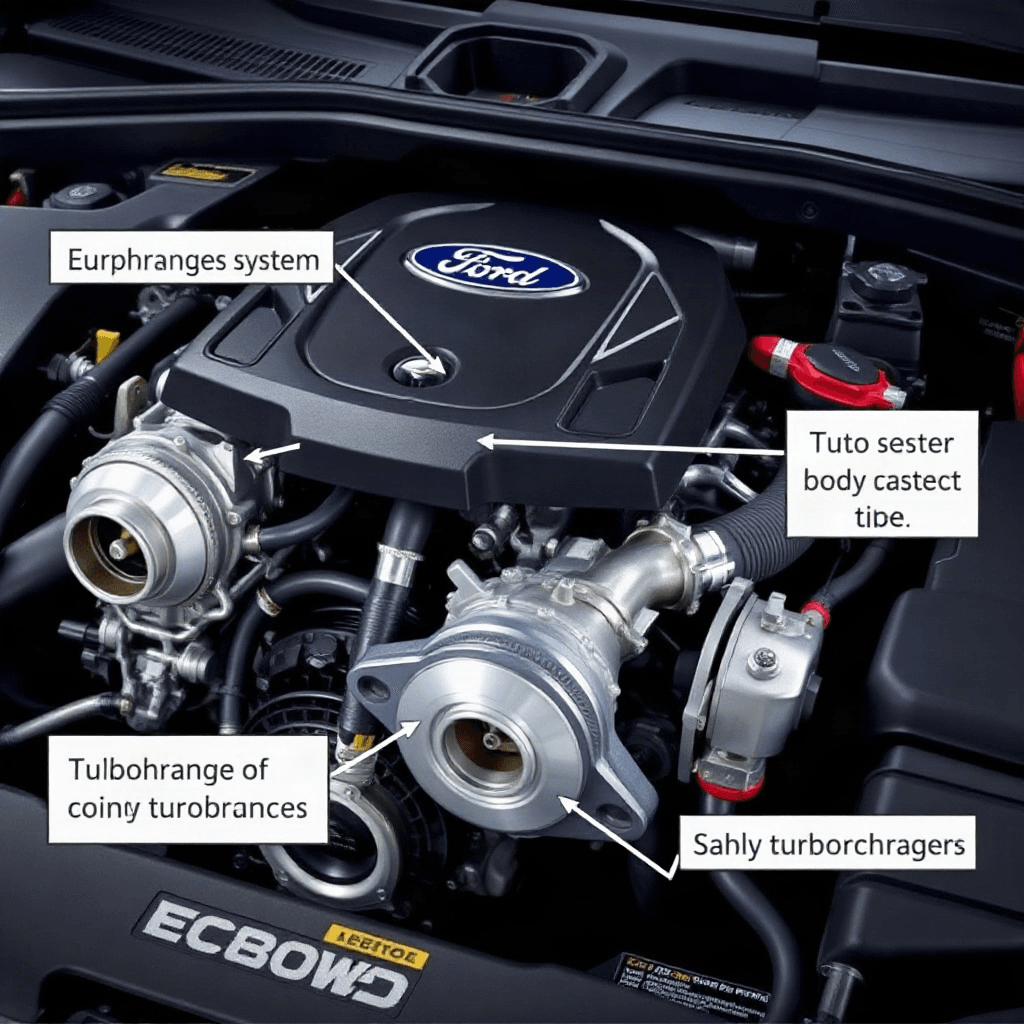
The P0299 code in Ford EcoBoost engines is a common issue that many owners may encounter. This code typically indicates a turbocharger underboost condition, which can lead to performance issues and potentially engine damage if not addressed promptly. In this review, we will delve into the causes, symptoms, and potential solutions for resolving the P0299 code in Ford EcoBoost engines.
Understanding the P0299 Code
The P0299 code is triggered when the engine control module detects that the turbocharger or supercharger is not providing the expected boost pressure to the engine. This can be due to a variety of reasons, including a leak in the intake system, a faulty wastegate, or a malfunctioning boost pressure sensor. Understanding the underlying cause of the underboost condition is crucial to effectively diagnosing and resolving the issue.
Symptoms of a P0299 Code
When the P0299 code is present, drivers may experience a lack of power, sluggish acceleration, and poor fuel efficiency. In some cases, the vehicle may go into limp mode to prevent further damage to the engine. It is important to pay attention to any unusual noises, such as rattling or whistling sounds, as they may indicate a problem with the turbocharger system.
Diagnosing the P0299 Code
Diagnosing the P0299 code requires a thorough inspection of the turbocharger system, including the turbocharger itself, intercooler, boost pressure sensor, wastegate, and associated hoses. A diagnostic scanner can be used to retrieve the specific trouble codes stored in the engine control module, providing valuable insight into the root cause of the underboost condition.
Resolving the P0299 Code
Once the underlying cause of the P0299 code has been identified, appropriate steps can be taken to resolve the issue. This may involve repairing or replacing damaged components, such as a leaking intercooler hose or a faulty wastegate actuator. Regular maintenance and inspection of the turbocharger system can help prevent the recurrence of the P0299 code in the future.
Importance of Professional Diagnosis
In some cases, diagnosing and repairing the P0299 code may require specialized tools and expertise. Consulting a professional mechanic or dealership with experience in Ford EcoBoost engines is recommended to ensure the issue is properly addressed. Attempting to troubleshoot and repair the turbocharger system without the necessary knowledge and equipment can lead to costly mistakes.
Conclusion
The P0299 code in Ford EcoBoost engines should not be ignored, as it can indicate underlying issues with the turbocharger system that require prompt attention. By understanding the causes, symptoms, and diagnostic procedures associated with the P0299 code, owners can take proactive steps to maintain the performance and reliability of their vehicles. Regular maintenance and timely repairs are key to preventing more severe damage and ensuring the longevity of the turbocharged engine.