CAN Bus Short Circuit: How to Find and Fix It
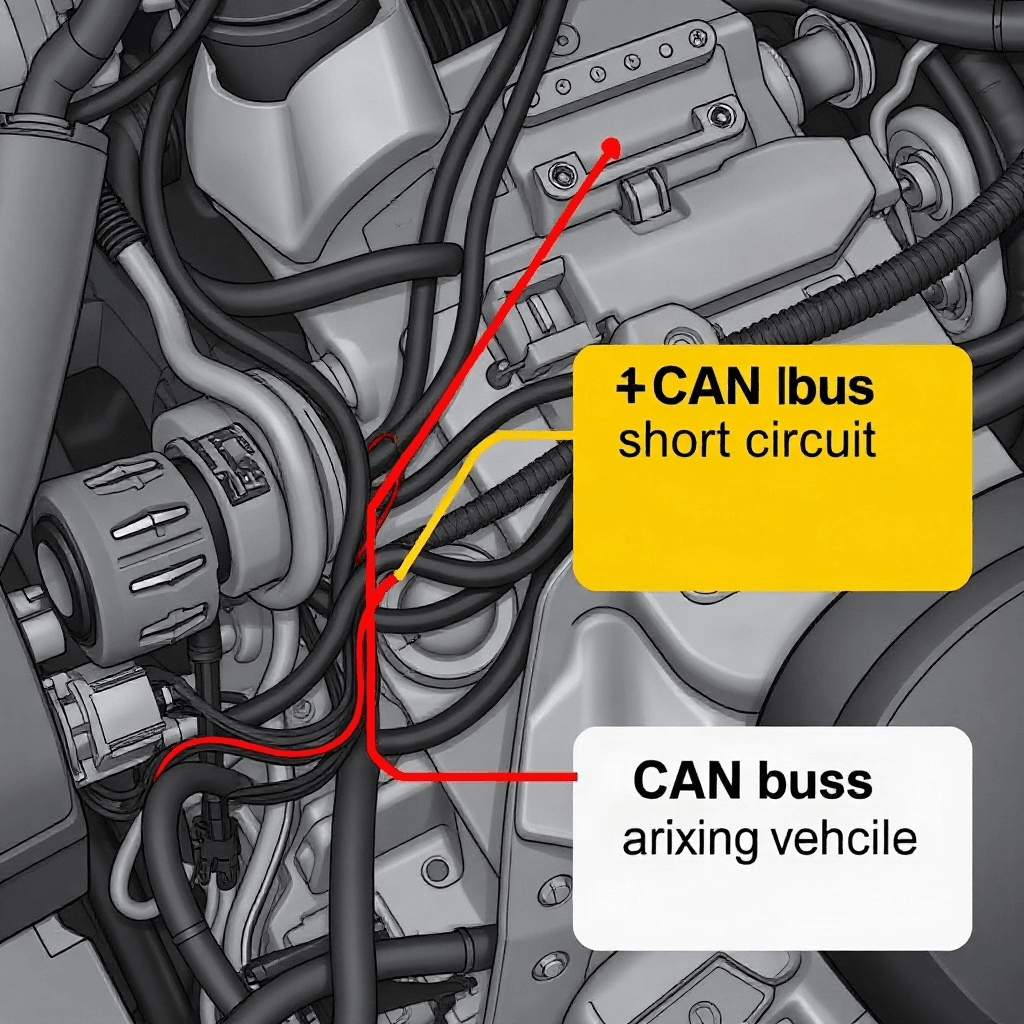
In today’s highly computerized world, the Controller Area Network (CAN) bus system plays a crucial role in the communication between different components in a vehicle. However, one common issue that can arise in a CAN bus system is a short circuit. In this interview-style article, we will discuss how to identify and resolve a CAN bus short circuit.
Understanding the CAN Bus System
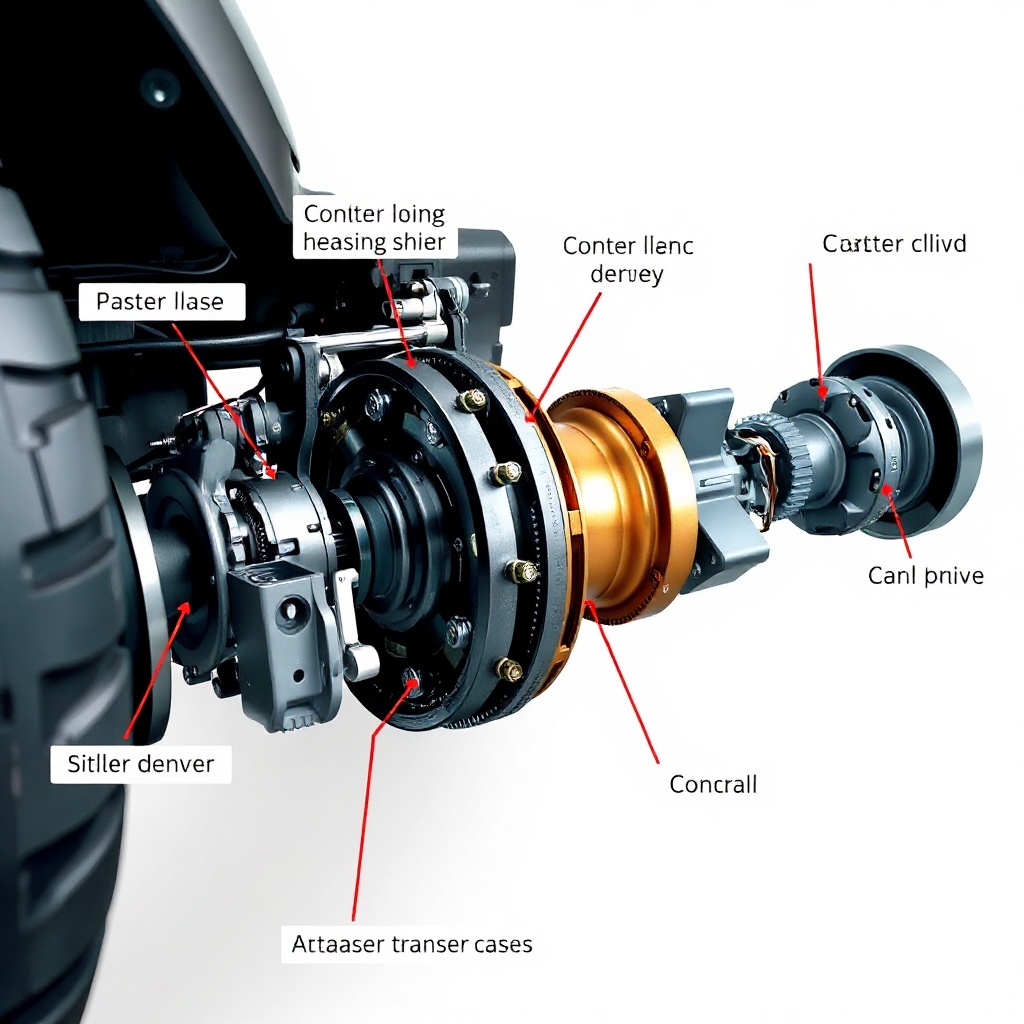
First and foremost, it’s important to have a good understanding of how the CAN bus system works. The CAN bus is essentially a network of interconnected electronic control units (ECUs) that communicate with each other through a shared data bus. This allows for real-time data exchange between various vehicle components, such as the engine control unit, transmission control unit, and ABS system.
Signs of a CAN Bus Short Circuit
One of the key indicators of a CAN bus short circuit is the presence of error codes related to communication failures between ECUs. These error codes can vary depending on the specific make and model of the vehicle, but common examples include “CAN bus off” or “lost communication with XYZ module.” Additionally, you may experience issues such as intermittent electrical failures or erratic behavior of vehicle systems.
Locating the Short Circuit
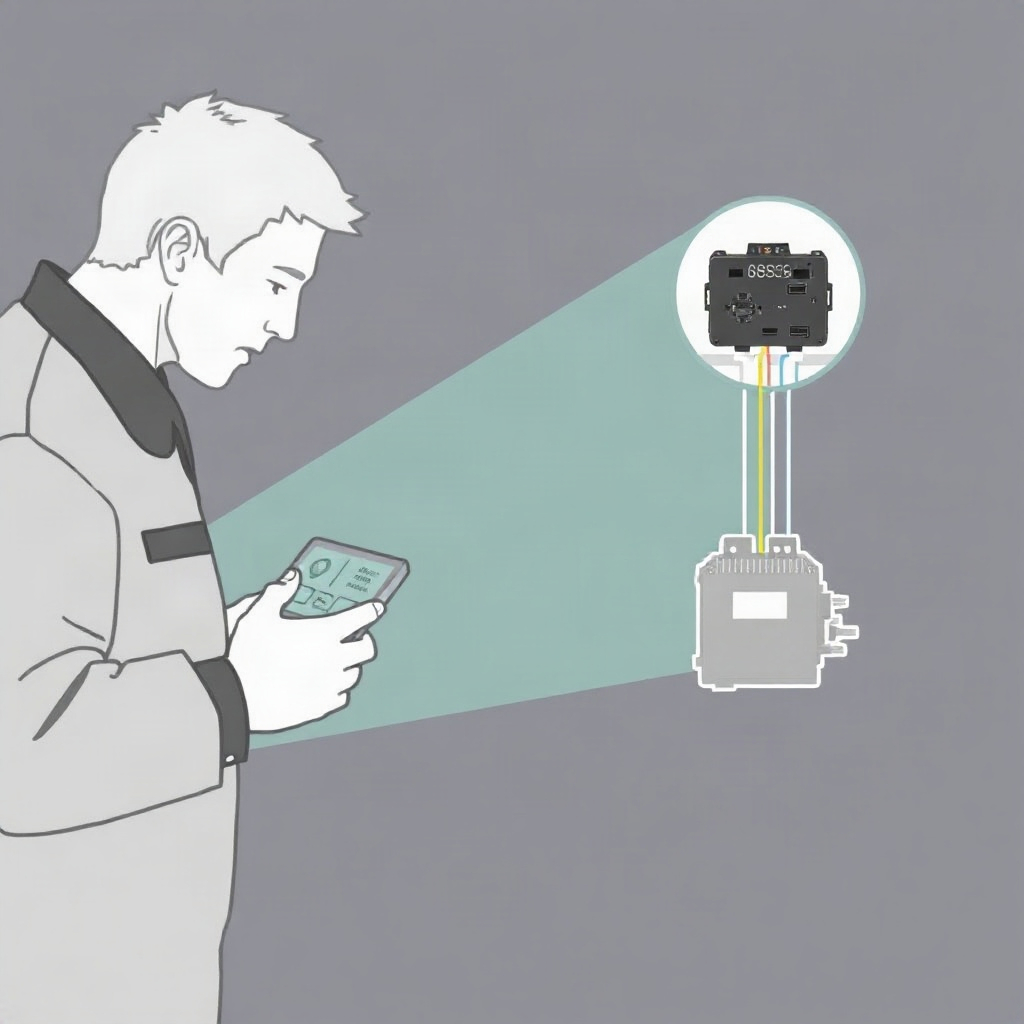
Identifying the precise location of a CAN bus short circuit can be a challenging task, as the wiring harnesses in modern vehicles are often complex and tightly packed. One effective method is to use a multimeter to test the continuity of the CAN bus lines at various points along the wiring harness. By systematically checking for continuity and resistance, you can pinpoint the location of the short circuit.
Fixing the Short Circuit
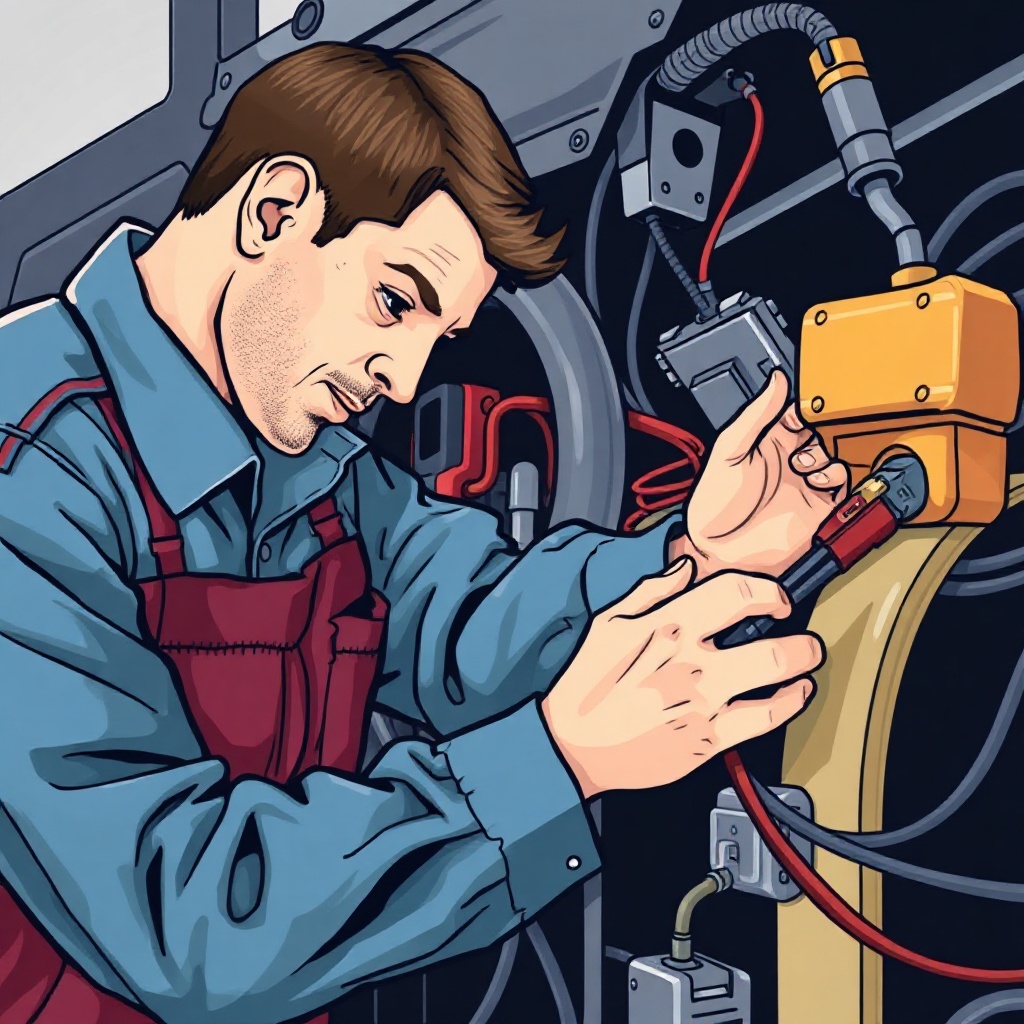
Once the short circuit has been identified, the next step is to repair the damaged wiring or components. In some cases, the short circuit may be caused by a damaged wire or connector, which can be easily replaced. However, if the short circuit is due to a faulty ECU or other electronic component, more extensive repairs may be necessary. It’s crucial to follow manufacturer guidelines and wiring diagrams to ensure proper repair procedures.
Testing and Verification
After repairing the short circuit, it’s essential to perform thorough testing to verify that the issue has been resolved. This involves checking for error codes, conducting diagnostic scans, and testing the functionality of the affected vehicle systems. By ensuring that the CAN bus communication is restored and stable, you can prevent future issues and ensure the safe operation of the vehicle.
Preventative Maintenance
Lastly, implementing regular preventative maintenance practices can help reduce the likelihood of CAN bus short circuits occurring in the future. This includes inspecting wiring harnesses for signs of wear or damage, securing connectors properly, and following proper installation procedures when adding new components to the CAN bus system. By staying proactive, you can avoid costly repairs and downtime due to short circuits.