Termination Resistor Failure: Symptoms & Fix
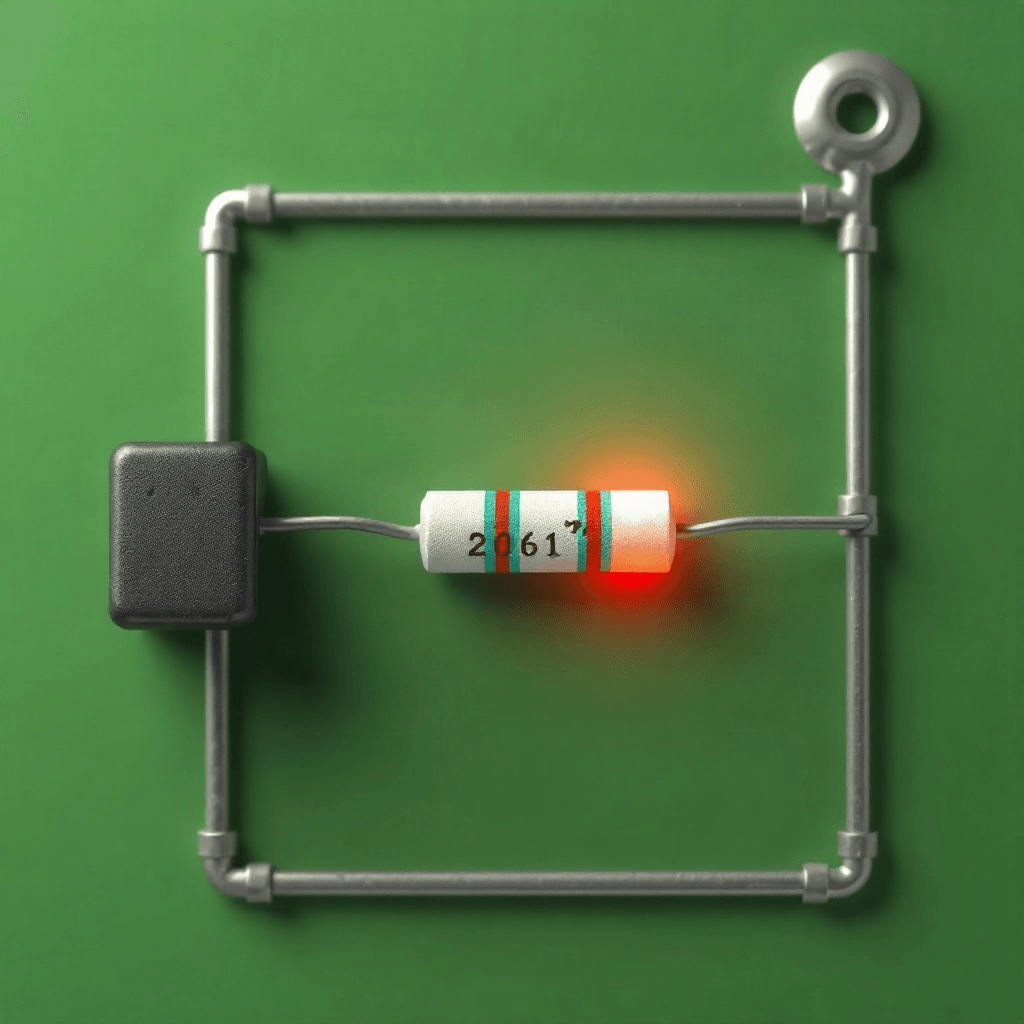
Termination resistor failure can be a common issue in electronic circuits, causing a range of symptoms that can be confusing for many technicians to diagnose. In this blog post, we will explore the symptoms of termination resistor failure and provide insight into how to fix this issue effectively.
Common Symptoms of Termination Resistor Failure
When a termination resistor fails in a circuit, there are several common symptoms that may arise. These include signal reflection, signal distortion, and increased noise levels. Understanding these symptoms is crucial in identifying the root cause of the problem and resolving it efficiently.
Signal Reflection A Telltale Sign of Failure
One of the most noticeable symptoms of termination resistor failure is signal reflection. This occurs when the impedance mismatch caused by the failed resistor leads to a portion of the signal being reflected back to the source. As a result, signal integrity is compromised, leading to data errors and communication issues.
Signal Distortion and Noise The Impact on Performance
In addition to signal reflection, termination resistor failure can also manifest in signal distortion and increased noise levels. Signal distortion may result in data corruption or loss, while noise interference can disrupt the overall performance of the circuit. It is essential to address these symptoms promptly to prevent further damage.
Testing and Diagnosis Identifying the Issue
To accurately diagnose termination resistor failure, technicians can use a variety of testing methods, such as time domain reflectometry (TDR) and impedance measurements. By analyzing the behavior of the circuit and identifying anomalies, technicians can pinpoint the location of the failed resistor and take appropriate action to rectify the issue.
Fixing Termination Resistor Failure Best Practices
Once the termination resistor failure has been identified, it is essential to take corrective action promptly. This may involve replacing the failed resistor with a new one of the appropriate value and impedance rating. Additionally, ensuring proper soldering and connection techniques can help prevent future failures and optimize circuit performance.
Preventive Measures Ensuring Long-Term Reliability
To mitigate the risk of termination resistor failure in the future, it is crucial to implement preventive measures. This includes regular circuit inspections, proper maintenance practices, and adherence to industry standards for termination resistor design and installation. By prioritizing reliability and performance, technicians can minimize downtime and maximize operational efficiency.