Car Door Lock Actuator Failure: Symptoms and Replacement Guide
Car door lock actuator failure can be a frustrating and inconvenient issue for any vehicle owner. This component is responsible for controlling the locking and unlocking of your car doors, and when it fails, it can lead to a variety of symptoms that can affect the functionality of your vehicle. In this blog post, we will discuss the common symptoms of car door lock actuator failure and provide a step-by-step guide for its replacement.
Common Symptoms of Car Door Lock Actuator Failure
When your car door lock actuator is failing, you may experience several warning signs that indicate a problem. These symptoms can include issues with the locking mechanism, unusual noises when operating the door locks, or even complete failure of the locking system. It is important to be aware of these symptoms so that you can address the issue promptly.
Diagnosing the Problem
If you suspect that your car door lock actuator is failing, the first step is to diagnose the problem. This can be done by visually inspecting the actuator for any visible damage or signs of wear. Additionally, you can use a multimeter to test the electrical connections and ensure that the actuator is receiving power. By accurately diagnosing the issue, you can determine the best course of action for repair or replacement.
Replacement Guide for Car Door Lock Actuator
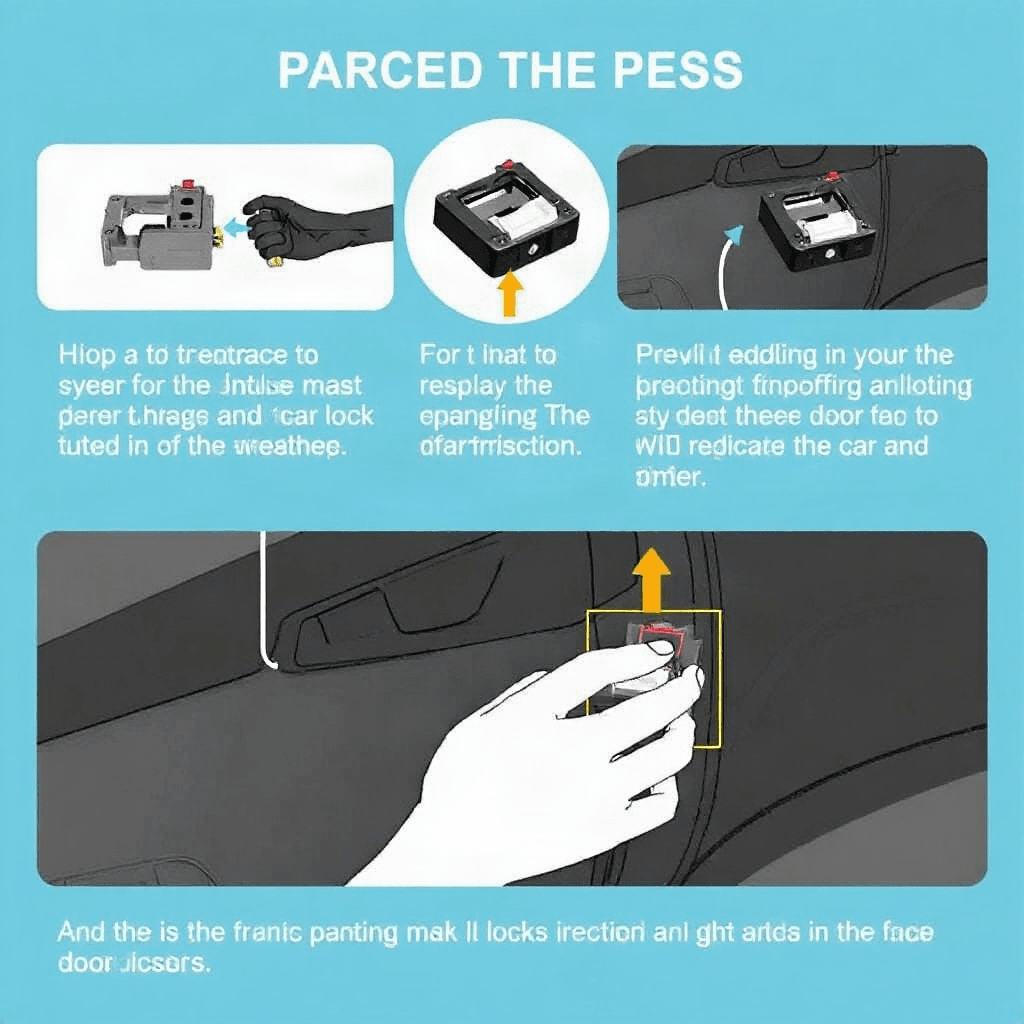
Replacing a car door lock actuator can be a complex task, but with the right tools and knowledge, it can be done successfully. To start, you will need to remove the interior door panel to access the actuator. Once the actuator is exposed, you can disconnect the electrical connections and mounting bolts to remove the old actuator. Make sure to install the new actuator correctly and test the locking system before reassembling the door panel.
Tips for Preventing Future Failures
To prevent future car door lock actuator failures, it is important to maintain your vehicle regularly. This includes lubricating the door locks, checking the electrical connections, and replacing worn-out components as needed. Additionally, being mindful of how you operate the door locks can help extend the lifespan of the actuator and prevent premature failure.
Conclusion
In conclusion, car door lock actuator failure can be a frustrating issue that affects the functionality of your vehicle. By being aware of the common symptoms, diagnosing the problem accurately, and following a step-by-step replacement guide, you can address this issue effectively. Remember to maintain your vehicle regularly to prevent future failures and ensure the proper functioning of your car door locks.