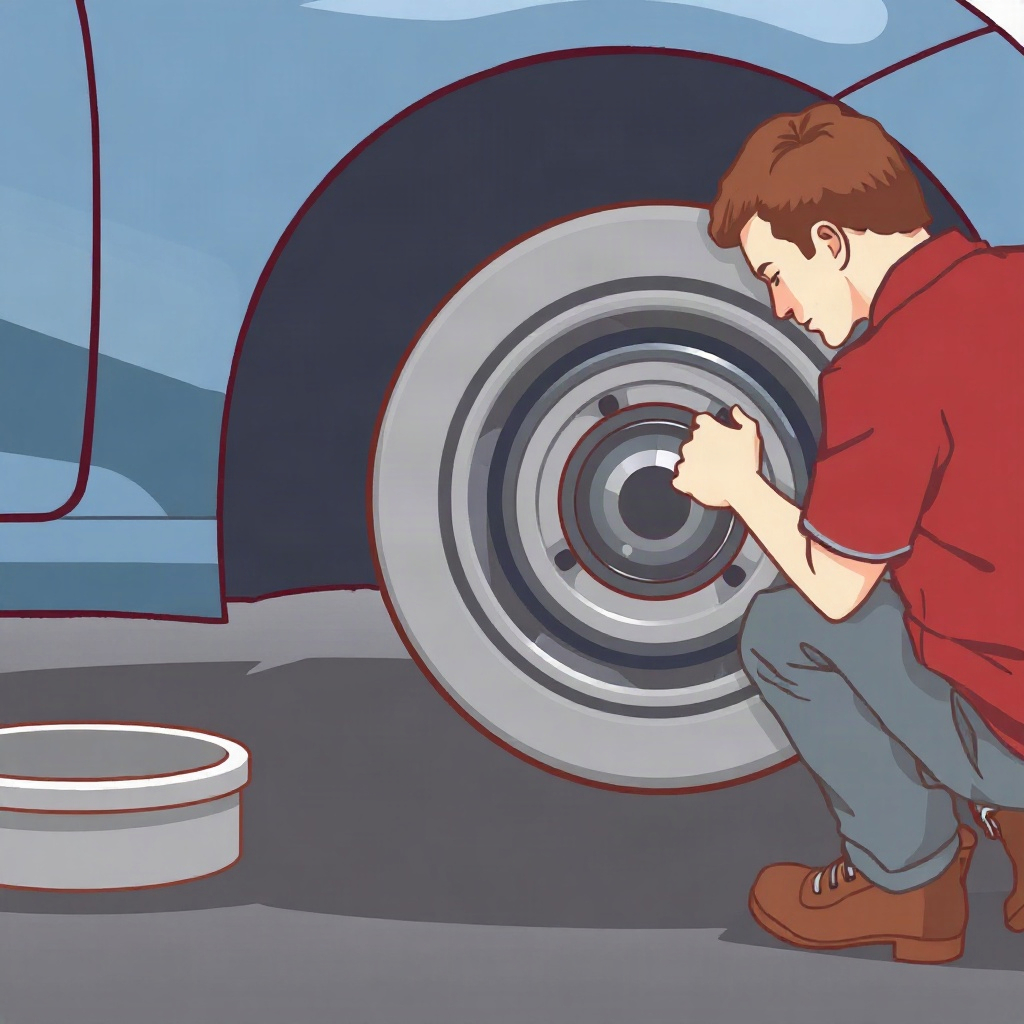
Engine Cranks but Has No Fuel Pressure: What to Test First
When your car’s engine cranks but there is no fuel pressure, it can be a frustrating and confusing issue to diagnose. This situation can be caused by a variety of factors, ranging from fuel pump failure to clogged fuel filters. Knowing what to test first can save you time and money in the long run.
Common Causes of No Fuel Pressure
One of the most common causes of no fuel pressure is a faulty fuel pump. The fuel pump is responsible for pumping fuel from the gas tank to the engine, and if it fails, the engine will not receive the fuel it needs to start. Other common causes include clogged fuel filters, faulty fuel injectors, and issues with the fuel pressure regulator.
Testing the Fuel Pump
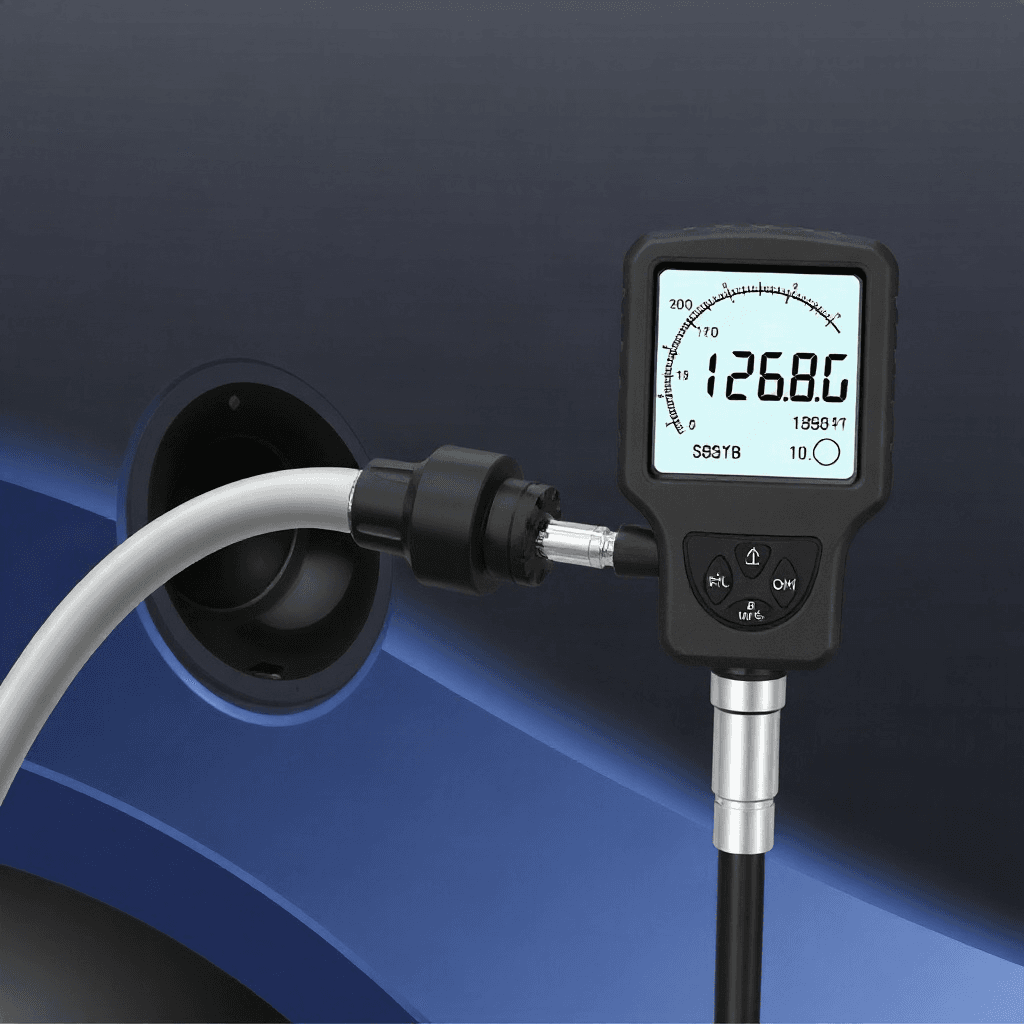
To determine if the fuel pump is the culprit, you can perform a fuel pressure test. This involves connecting a pressure gauge to the fuel rail and turning the key to the “on” position. The pressure gauge will give you a reading of the fuel pressure, which should fall within the manufacturer’s specified range. If the pressure is too low, it may indicate a problem with the fuel pump.
Checking the Fuel Filter
Another component to check is the fuel filter. A clogged fuel filter can restrict the flow of fuel to the engine, resulting in low or no fuel pressure. If the fuel filter is dirty or clogged, it will need to be replaced to restore proper fuel flow.
Inspecting the Fuel Injectors
Faulty fuel injectors can also cause a lack of fuel pressure. If the fuel injectors are clogged or not functioning properly, they may not deliver the correct amount of fuel to the engine. In this case, the fuel injectors will need to be cleaned or replaced to resolve the issue.
Testing the Fuel Pressure Regulator
The fuel pressure regulator is responsible for maintaining a constant fuel pressure within the fuel system. If the regulator is faulty, it may cause fluctuations in fuel pressure or prevent the engine from receiving the required fuel. Testing the fuel pressure regulator can help pinpoint any issues and determine if it needs to be replaced.
Conclusion
In conclusion, when your engine cranks but has no fuel pressure, it’s essential to diagnose the issue promptly to avoid further damage. By testing the fuel pump, checking the fuel filter, inspecting the fuel injectors, and testing the fuel pressure regulator, you can identify the root cause of the problem and take the necessary steps to fix it. Remember, proper maintenance and regular inspections can prevent issues with fuel pressure in the future.