How to Test a Door Lock Actuator at Home
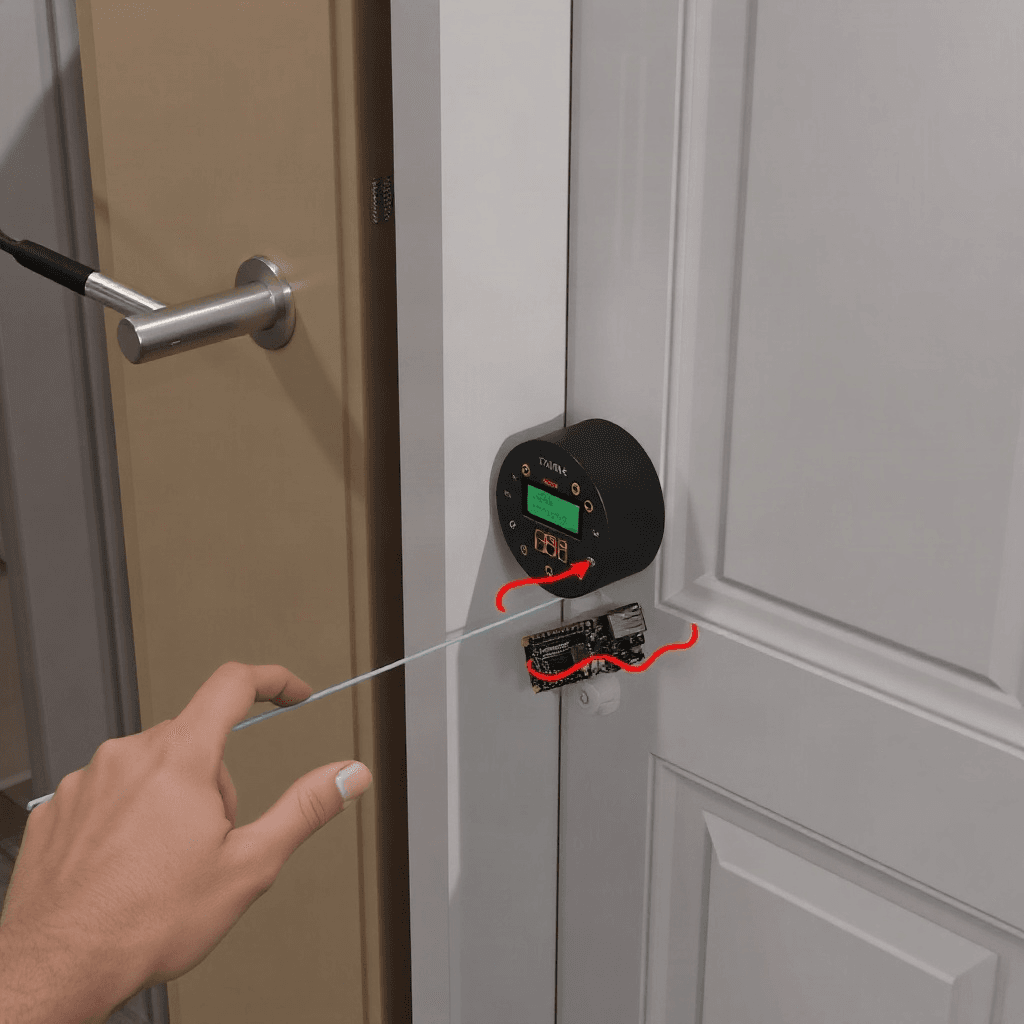
When it comes to ensuring the security of your home, one of the key components to check regularly is your door lock actuator. This small but crucial part is responsible for controlling the locking and unlocking mechanism of your door. In this article, we will guide you on how to test a door lock actuator at home to make sure it is functioning properly and keeping your home safe.
Understanding the Door Lock Actuator
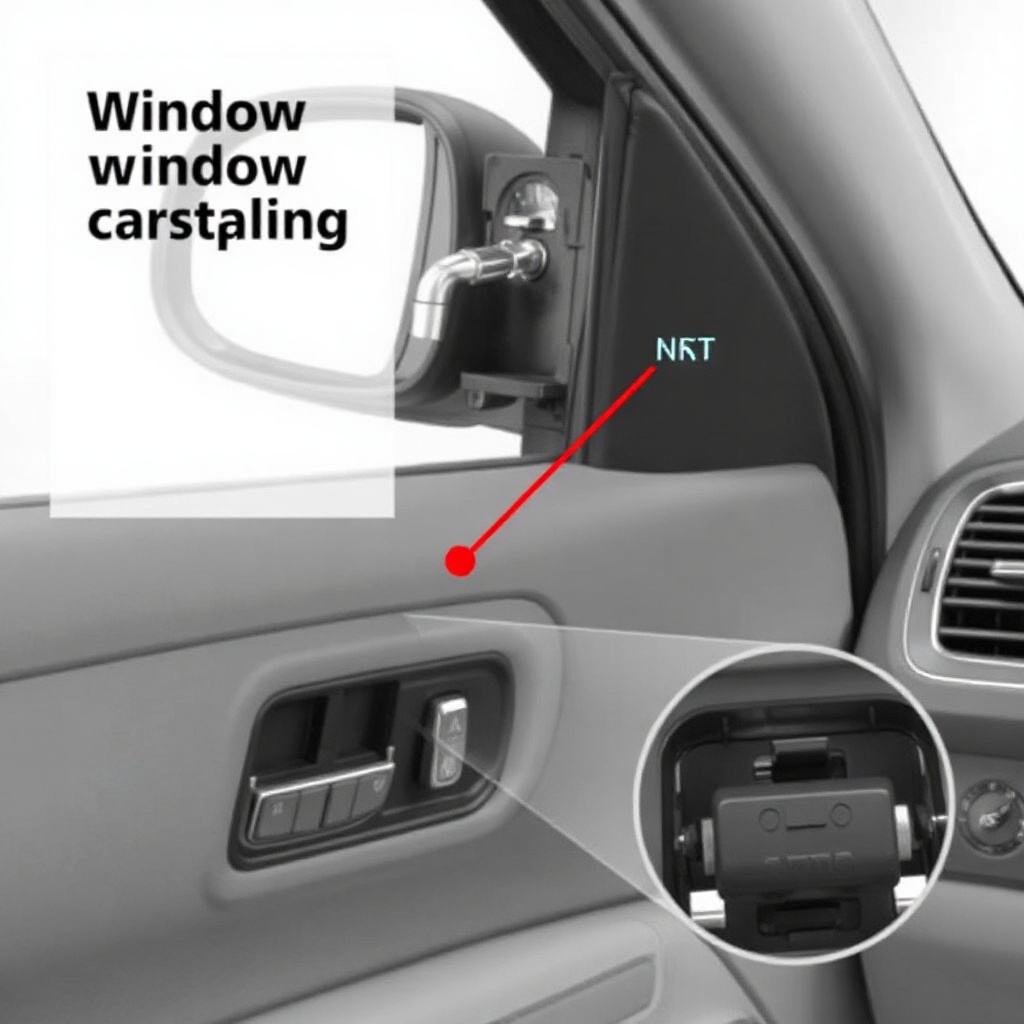
Before we dive into the testing process, it is important to understand what a door lock actuator is and how it works. A door lock actuator is an electric component that is integrated into the door latch mechanism. It is typically controlled by a switch inside the car or a key fob. When activated, the actuator moves a series of gears that engage the door latch, either locking or unlocking the door.
Tools You Will Need
To test your door lock actuator, you will need a few basic tools. These include a multimeter to check the electrical connections, a screwdriver to remove the door panel, and a helper to assist you with the testing process. Make sure you have these tools on hand before you begin testing your door lock actuator.
Testing the Electrical Connections
The first step in testing a door lock actuator is to check the electrical connections. Start by disconnecting the actuator from the wiring harness and use the multimeter to test for continuity. This will help you determine if there are any breaks or shorts in the wiring that may be causing the actuator to malfunction. If the electrical connections are faulty, you may need to repair or replace the wiring before proceeding with further testing.
Checking the Actuators Movement
Once you have verified the integrity of the electrical connections, the next step is to check the movement of the actuator itself. Reconnect the actuator to the wiring harness and activate the door lock switch or key fob. Observe the actuator to see if it moves smoothly and engages the door latch without any hesitation. If the actuator is slow to respond or makes unusual noises, it may be a sign that it is failing and needs to be replaced.
Testing the Door Lock Mechanism
In addition to checking the actuator itself, it is also important to test the door lock mechanism to ensure that it is functioning properly. Manually lock and unlock the door using the key or the interior switch to see if the actuator accurately engages the latch. If the door does not lock or unlock smoothly, it could indicate a problem with the actuator or the latch mechanism that needs to be addressed.
Final Steps and Maintenance Tips
After completing the testing process, reassemble the door panel and make any necessary repairs or replacements based on your findings. To prevent future issues with your door lock actuator, consider regularly lubricating the moving parts and keeping the electrical connections clean and secure. By taking proactive steps to maintain your door lock actuator, you can ensure the security and functionality of your home’s doors for years to come.