Water Damage to the Body Control Module: Symptoms and Recovery
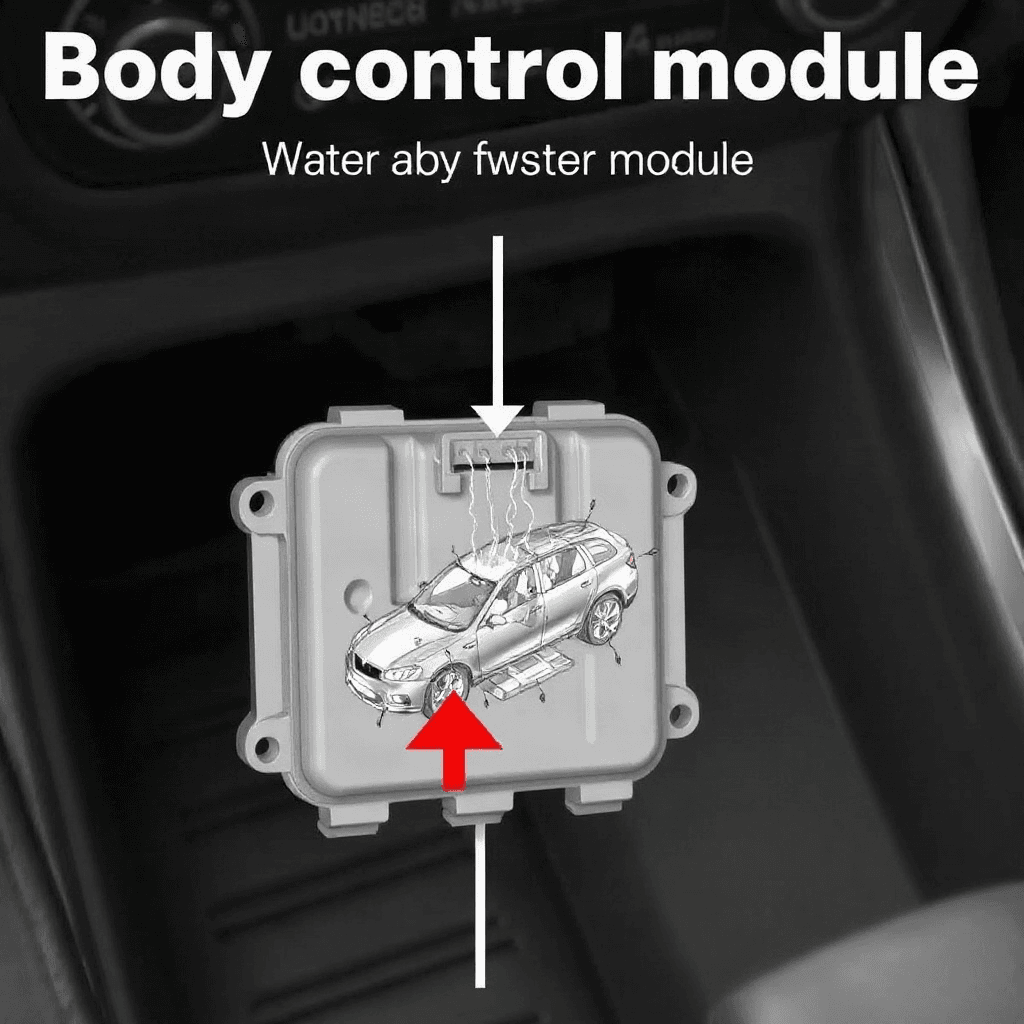
Water damage to the body control module can have serious consequences on the functionality of a vehicle. From causing electrical malfunctions to complete failure, the impact of water damage can be detrimental. In this article, we will explore the symptoms of water damage to the body control module and discuss the recovery process.
Understanding the Body Control Module
The body control module (BCM) is a crucial component in modern vehicles that controls various functions such as lighting, climate control, and security systems. It acts as the brain of the vehicle, receiving inputs from different sensors and relaying commands to different components. When water infiltrates the BCM, it can disrupt these functions leading to a range of issues.
Symptoms of Water Damage
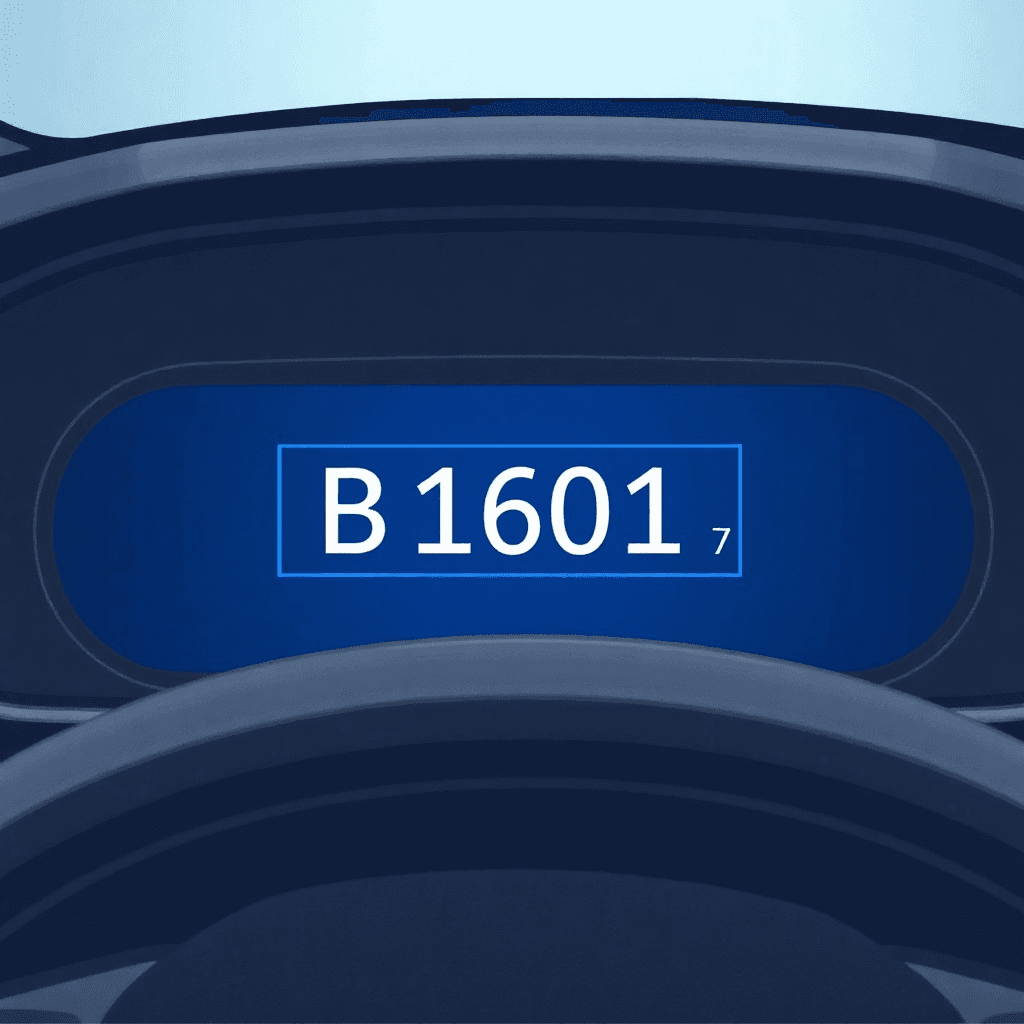
One of the most common symptoms of water damage to the BCM is electrical malfunctions. This can manifest as flickering lights, non-responsive power windows, or erratic behavior of the climate control system. Additionally, the vehicle may experience intermittent starting issues or fail to start altogether. These symptoms should not be ignored as they can worsen over time.
Diagnosing Water Damage
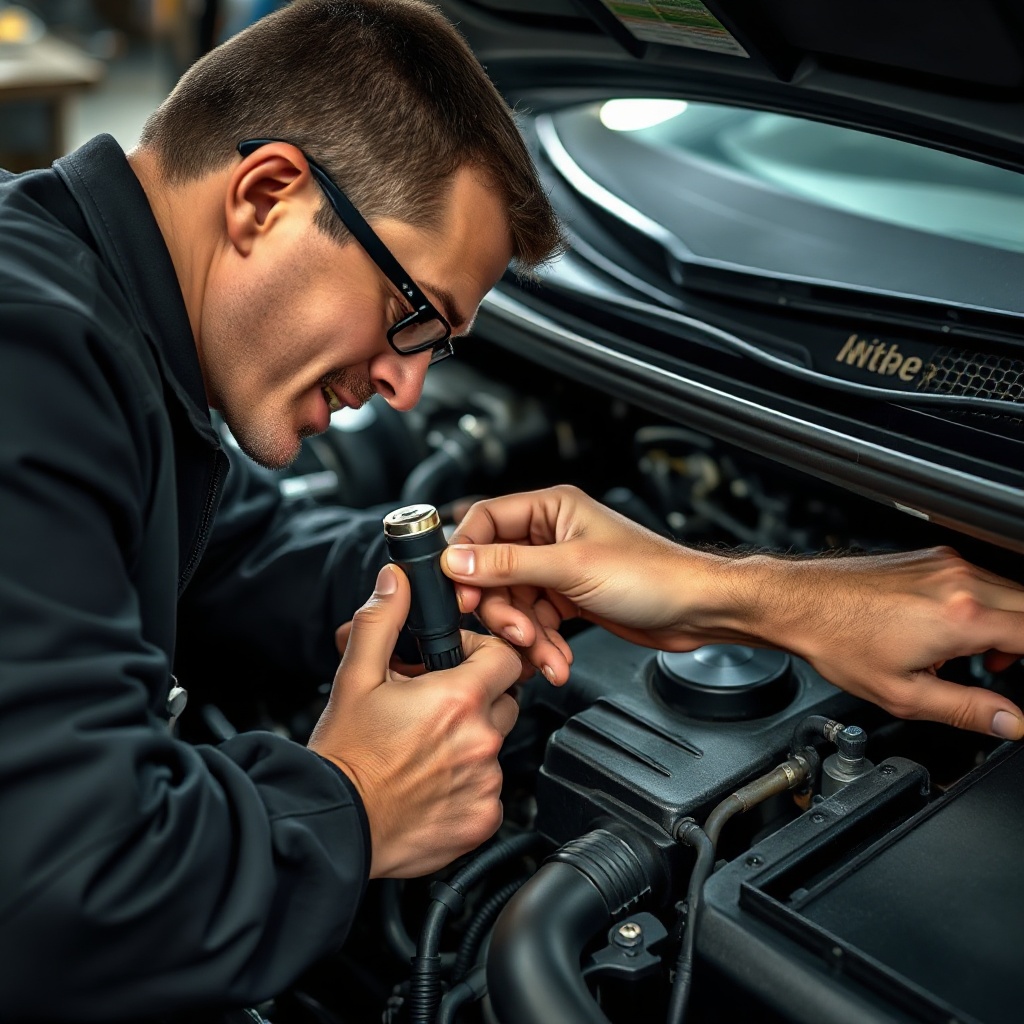
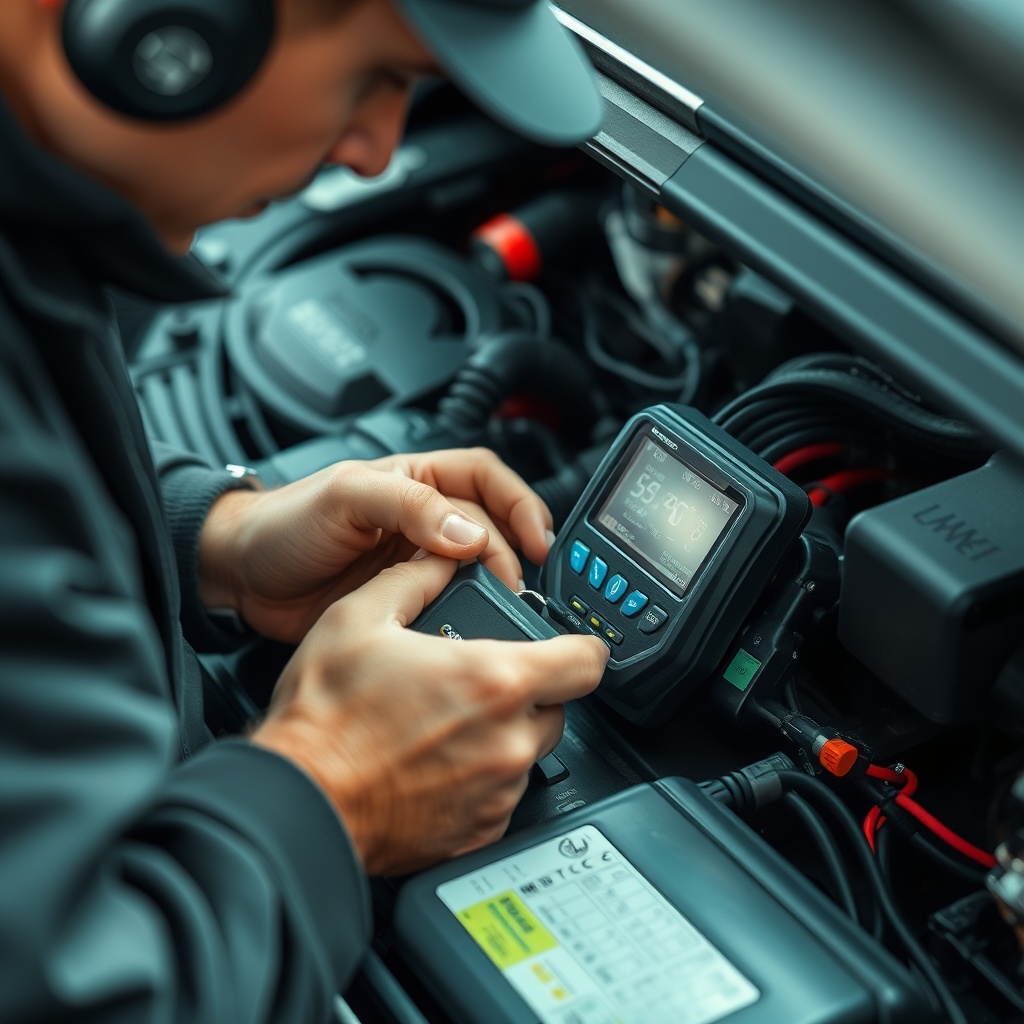
Diagnosing water damage to the BCM requires specialized equipment and expertise. A thorough inspection of the BCM and surrounding components is necessary to determine the extent of the damage. Technicians will look for signs of corrosion, water ingress, and electrical shorts to pinpoint the source of the issue. Once diagnosed, the repair process can begin.
Recovery Process
The recovery process for water damage to the BCM involves several steps. The first step is to dry out the affected area thoroughly to prevent further damage. This may involve removing the BCM from the vehicle and using specialized drying equipment. Once dry, the BCM will be inspected for any visible damage and repaired or replaced as necessary. After reinstallation, the BCM will be reprogrammed to ensure proper functionality.
Preventive Measures
To prevent water damage to the BCM, it is essential to take preventive measures. Keeping the vehicle properly sealed and protected from water ingress is crucial. Regular maintenance checks can help identify potential issues before they escalate. Additionally, avoiding driving through deep water or floods can reduce the risk of water damage to the BCM.
Conclusion
Water damage to the body control module can have a significant impact on the functionality of a vehicle. By understanding the symptoms of water damage, diagnosing the issue promptly, and following the necessary recovery process, vehicle owners can mitigate the effects of water damage. Taking preventive measures and staying vigilant can help protect the BCM from water damage in the future.