What a Powertrain Control Module Does in OBD-II Diagnostics
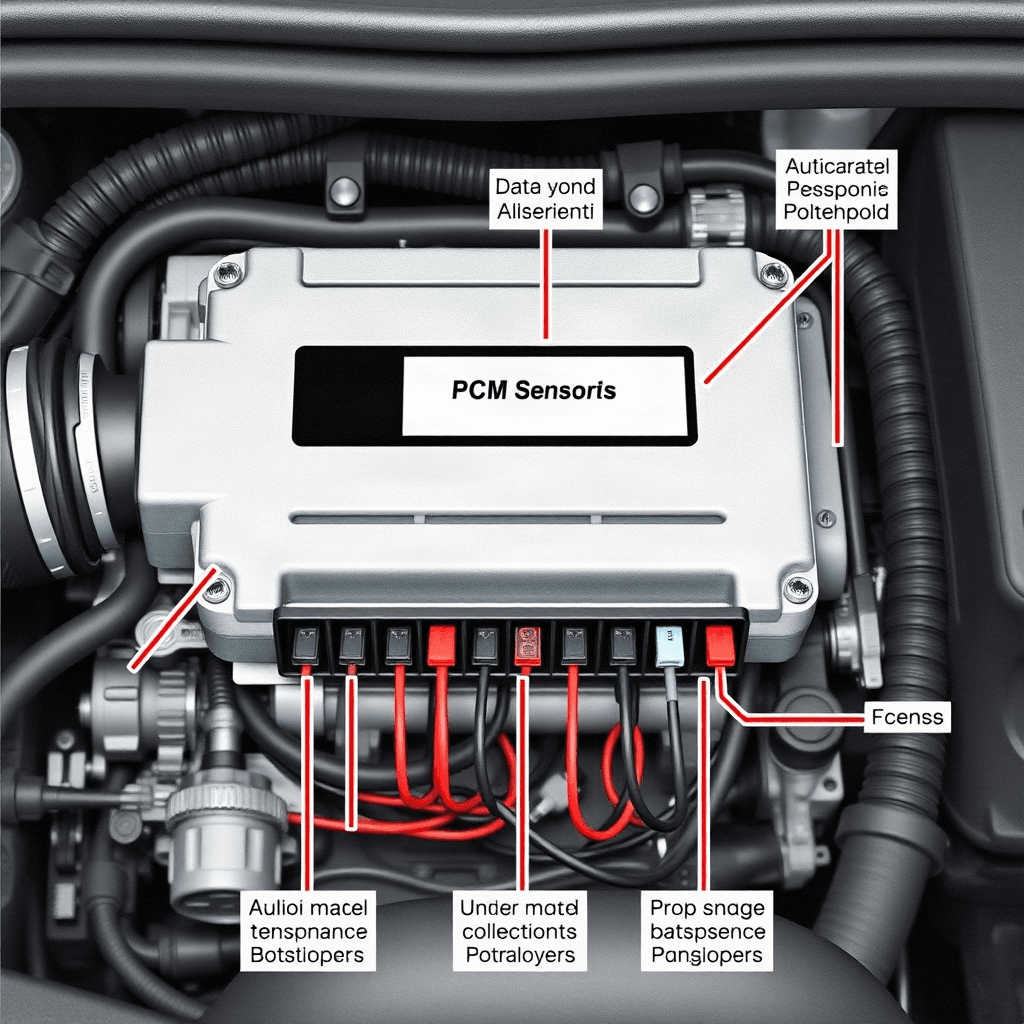
As vehicles become more advanced, the need for sophisticated diagnostic systems has become crucial. One key component in the diagnostics of modern vehicles is the Powertrain Control Module (PCM). In this article, we will delve into what a Powertrain Control Module does in OBD-II diagnostics and its importance in ensuring the optimal performance of a vehicle.
Understanding the Powertrain Control Module
The Powertrain Control Module, also known as the Engine Control Module (ECM), is a vital component in a vehicle’s onboard diagnostics system. It serves as the brain of the vehicle, constantly monitoring and controlling various functions of the engine and transmission. From fuel injection to ignition timing, the PCM plays a key role in ensuring the engine operates efficiently and effectively.
OBD-II Diagnostics and the PCM
OBD-II, or On-Board Diagnostics II, is a standardized system used in modern vehicles to monitor and report on the performance of the engine and emission control systems. The PCM is the central component that interacts with the OBD-II system, collecting data from various sensors throughout the vehicle. By analyzing this data, the PCM can detect issues or malfunctions in real-time, allowing for quick diagnosis and repair.
Role of the PCM in Emission Control
One of the critical functions of the PCM is to monitor and control the emission levels of a vehicle. By adjusting fuel mixture, ignition timing, and other parameters, the PCM ensures that the vehicle meets emission standards set by regulatory agencies. In the event of a fault or issue with the emission control system, the PCM can trigger the Check Engine light and store a diagnostic trouble code for further investigation.
PCM Programming and Updates
The PCM is a programmable module that can be updated with new software to improve performance or address issues. Automotive manufacturers regularly release software updates for the PCM to enhance fuel efficiency, optimize engine performance, or fix bugs in the system. These updates can be performed by authorized service centers using specialized diagnostic equipment.
Importance of PCM in Vehicle Maintenance
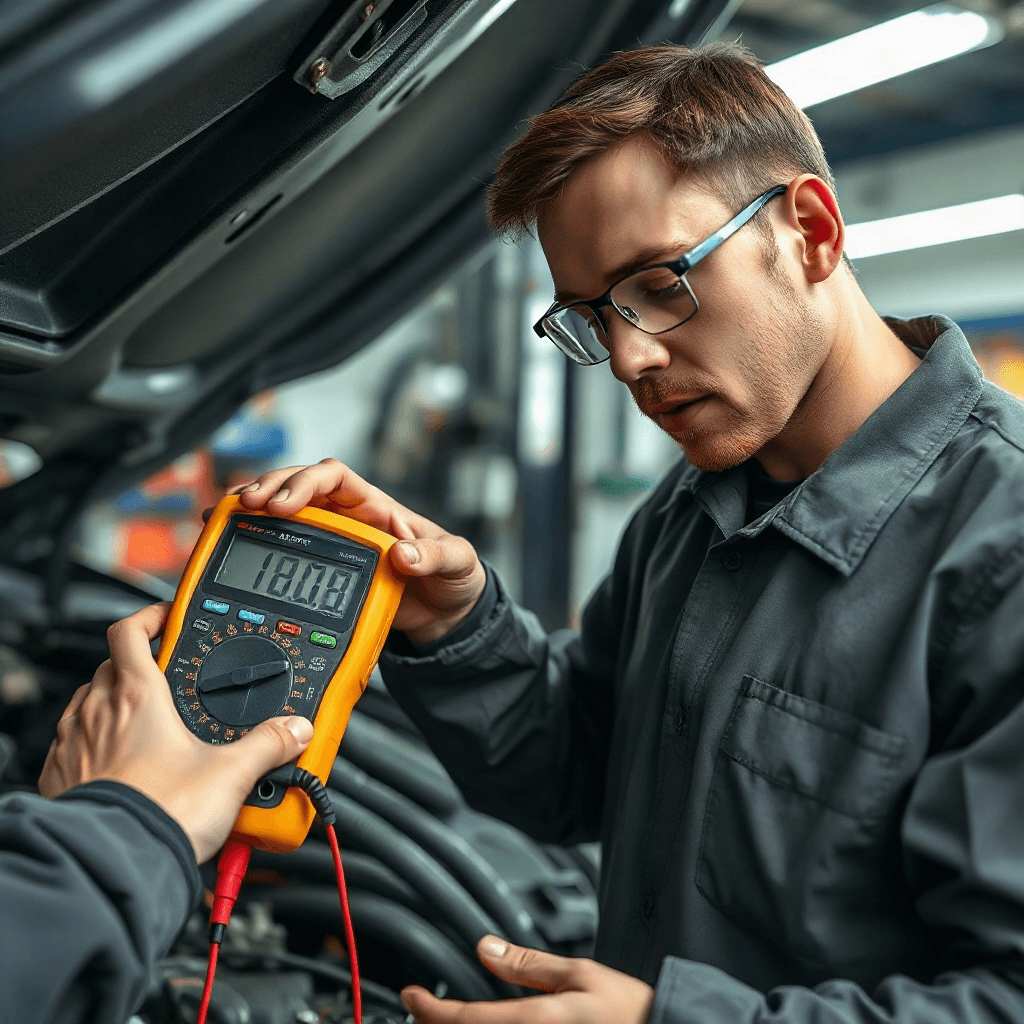
The PCM plays a crucial role in vehicle maintenance by providing valuable diagnostic information to technicians. By accessing the PCM’s data through a diagnostic tool, technicians can quickly identify problems with the engine or transmission and make necessary repairs. This not only helps in maintaining the vehicle’s performance but also extends its lifespan.
Future Developments in PCM Technology
As automotive technology continues to evolve, so does the role of the PCM in vehicle diagnostics. Future developments in PCM technology may include advanced AI algorithms for predictive maintenance, improved communication with other onboard systems, and enhanced cybersecurity measures to protect against hacking. These advancements will further enhance the efficiency and reliability of modern vehicles.