Car Cranks but Will Not Start: A Safe First Diagnostic Checklist
Have you ever experienced the frustration of trying to start your car, only to hear it cranking but not actually starting? This common issue can be caused by a variety of factors, ranging from simple to complex. In this article, we will walk you through a safe first diagnostic checklist to help you identify the potential underlying issues.
Understanding the Basics
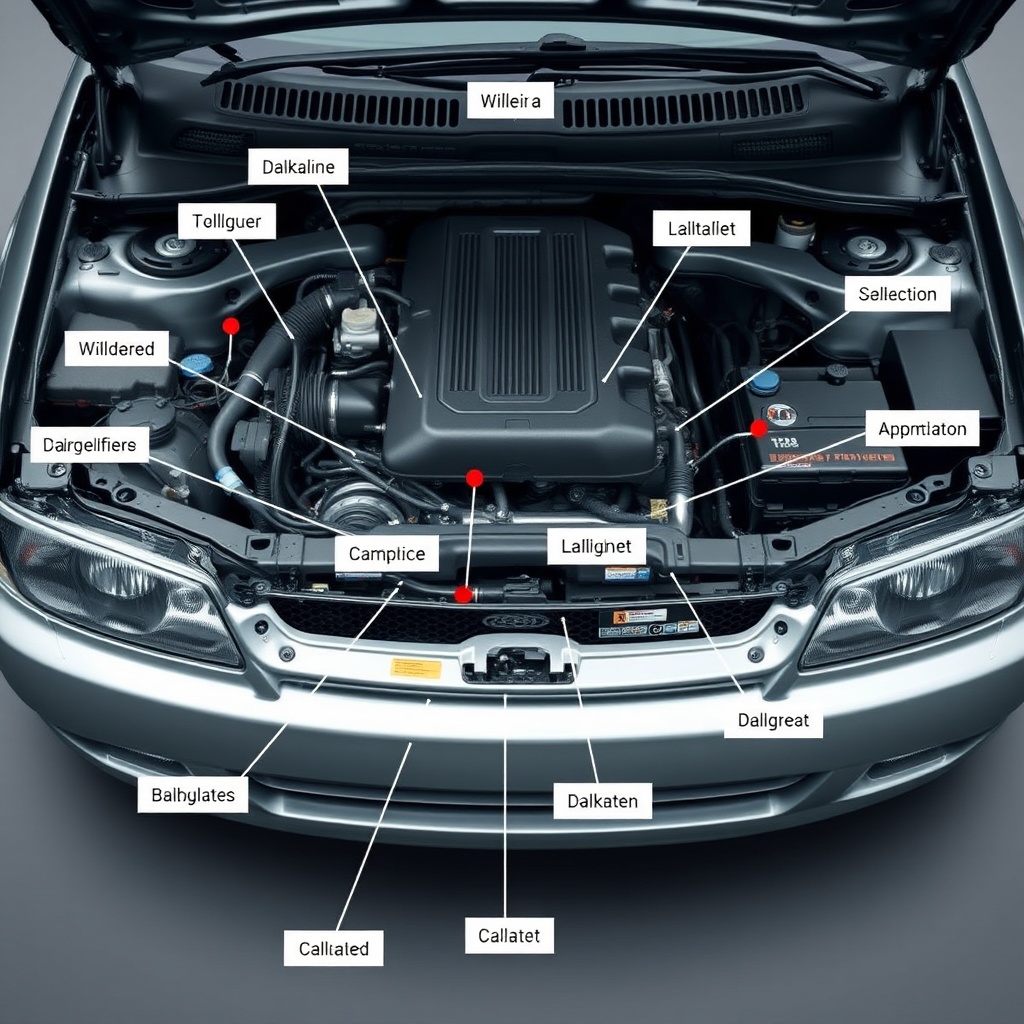
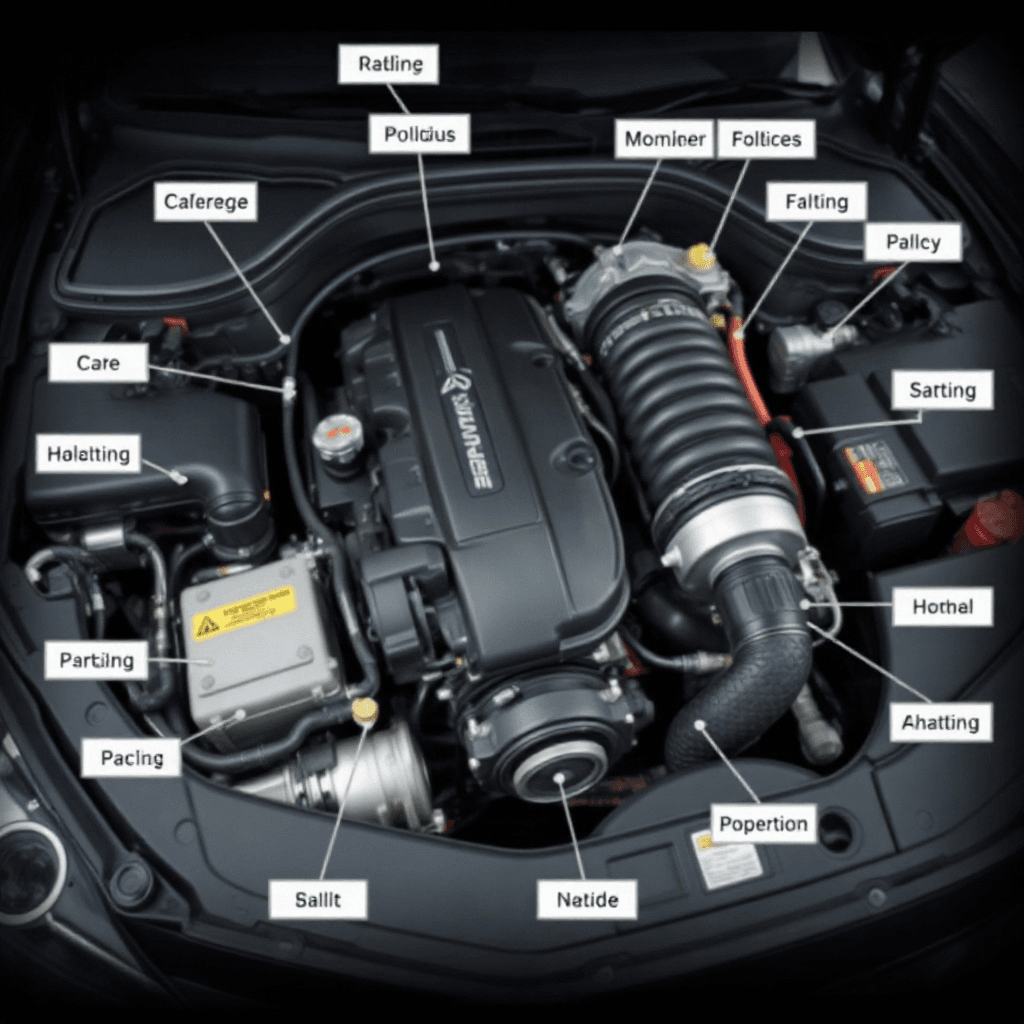
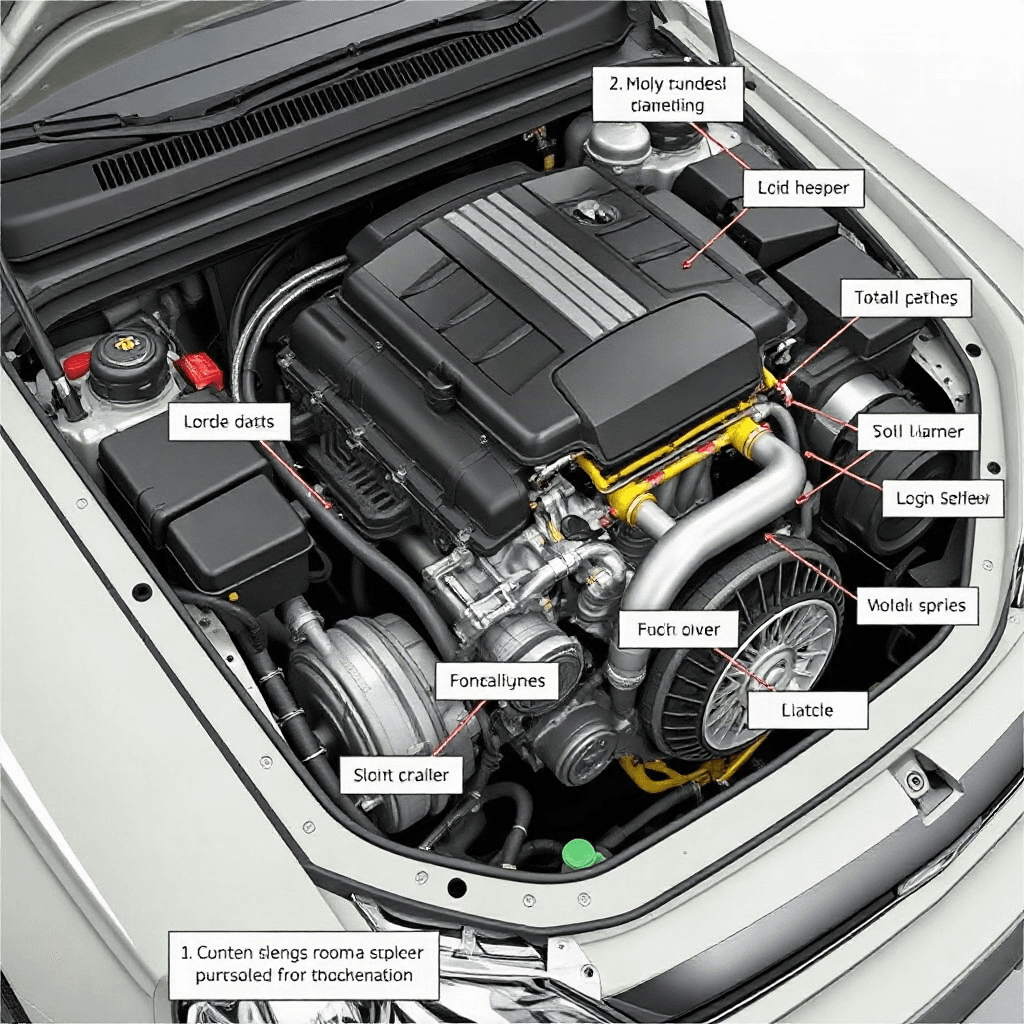
When your car cranks but fails to start, it indicates that the engine is turning over but not igniting. This could be due to a problem with the fuel system, ignition system, or other mechanical issues. Before diving into the diagnostic process, it’s important to have a basic understanding of how your car’s engine functions.
Checking the Fuel System
One of the first things to check when your car won’t start is the fuel system. Ensure that your fuel tank has an adequate amount of fuel and that the fuel pump is functioning properly. Additionally, inspect the fuel lines and filter for any clogs or leaks that may be obstructing the flow of fuel to the engine.
Inspecting the Ignition System
A faulty ignition system can also prevent your car from starting. Check the spark plugs, ignition coil, and spark plug wires to ensure they are in good condition. If any of these components are worn out or damaged, they may need to be replaced to restore proper ignition.
Assessing the Battery and Electrical System
A weak or dead battery can also be a culprit behind a car that cranks but won’t start. Use a multimeter to test the voltage of your battery and ensure it is within the recommended range. Additionally, check the alternator and starter motor to rule out any electrical issues that may be affecting the starting process.
Examining the Engine Mechanical Components
If all else fails, the issue may lie within the engine’s mechanical components. Inspect the timing belt, camshaft, and crankshaft position sensors for any signs of wear or damage. A malfunction in any of these components can disrupt the engine’s timing and prevent it from starting properly.
Consulting a Professional Mechanic
If you have gone through the entire diagnostic checklist and still cannot identify the root cause of the problem, it may be time to seek help from a professional mechanic. They have the expertise and tools necessary to diagnose and repair complex issues that may be beyond your scope of knowledge.
By following this safe first diagnostic checklist, you can narrow down the potential causes of your car’s starting issue and take the necessary steps to address them. Remember, regular maintenance and prompt repairs are key to keeping your vehicle in optimal running condition.