OBD-II Code Reader vs. Scan Tool: Which Functions Matter for Engine Diagnosis?
When it comes to diagnosing engine issues, automotive professionals rely on tools like OBD-II code readers and scan tools to pinpoint problems quickly and accurately. But which functions really matter when choosing between the two? Let’s delve into the key differences and features of OBD-II code readers and scan tools to help you make an informed decision.
Understanding OBD-II Code Readers
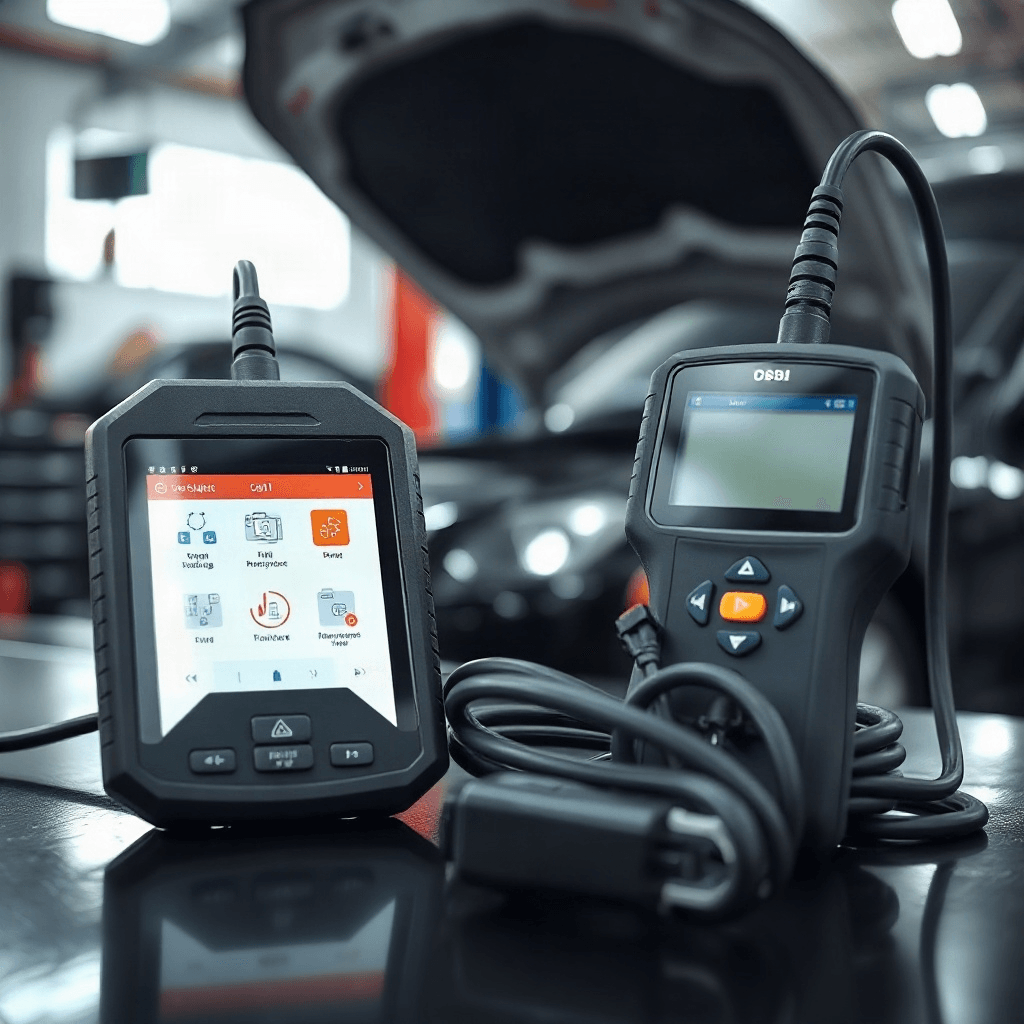
OBD-II code readers are essential tools for reading and interpreting diagnostic trouble codes (DTCs) generated by the onboard diagnostics system. These handheld devices plug into the vehicle’s OBD-II port and provide real-time data on engine performance, emissions, and other critical systems. With the ability to retrieve and clear codes, OBD-II code readers are ideal for basic diagnostics and maintenance tasks.
The Benefits of Scan Tools
Scan tools, on the other hand, offer more advanced functionality compared to OBD-II code readers. These tools not only read and clear DTCs but also provide live data streaming, graphing capabilities, and bi-directional control of vehicle systems. With scan tools, technicians can perform in-depth diagnostic tests, monitor sensor readings, and even program modules for specific repairs.
Key Features to Consider
When choosing between an OBD-II code reader and a scan tool, it’s important to consider the specific features that will best suit your diagnostic needs. Look for a tool that offers comprehensive code coverage, live data capabilities, freeze frame data, readiness monitors, and the ability to perform system tests. These features will ensure that you can diagnose and repair engine issues with precision and efficiency.
Making the Right Choice
Ultimately, the decision between an OBD-II code reader and a scan tool comes down to your level of expertise and the complexity of the diagnostic tasks at hand. If you’re a DIY enthusiast or perform basic maintenance on your vehicle, an OBD-II code reader may be sufficient. However, if you work in the automotive industry or require advanced diagnostic capabilities, investing in a scan tool is the way to go.
The Future of Engine Diagnostics
As technology continues to evolve, so too do the capabilities of diagnostic tools like OBD-II code readers and scan tools. With the rise of connected cars and IoT devices, the future of engine diagnostics looks promising. Manufacturers are constantly developing new features and functionalities to make diagnosing and repairing vehicles more efficient and accurate than ever before.
Conclusion
In conclusion, both OBD-II code readers and scan tools play a crucial role in engine diagnostics, each offering unique benefits and capabilities. By understanding the key differences between the two tools and considering your specific diagnostic needs, you can make an informed decision that will help you effectively diagnose and repair engine issues. Whether you choose an OBD-II code reader or a scan tool, investing in a quality diagnostic tool is essential for maintaining and troubleshooting modern vehicles.