B0001: Driver Airbag Deployment Control
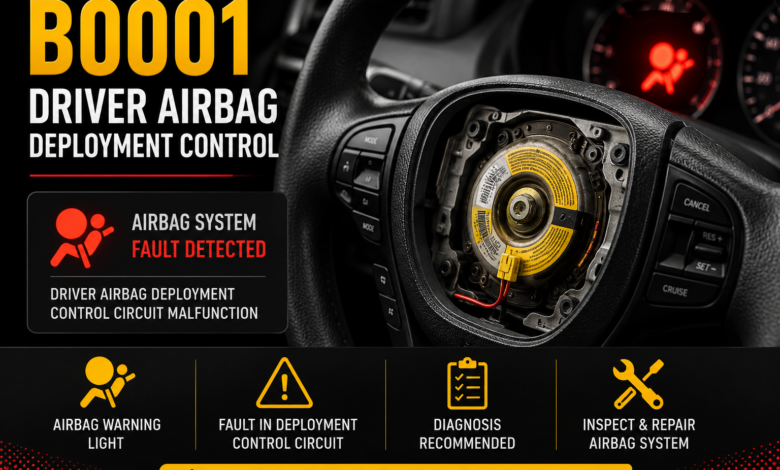
In an era where vehicular safety is paramount, understanding the intricacies of integrated automotive safety systems becomes essential. Among the myriad of diagnostic trouble codes, the B0001 code serves as a critical indicator related to driver airbag deployment mechanisms, underscoring the necessity for informed analysis and intervention strategies. This blog post aims to elucidate the underlying mechanisms that trigger the deployment of driver airbags, systematically exploring the potential causes and symptoms associated with the B0001 code. Furthermore, it will delve into diagnostic procedures that proficiently identify issues linked to this code, alongside repair strategies and preventive measures to mitigate the risk of malfunction. As automotive technology evolves, adept comprehension of such codes not only enhances vehicle safety but also empowers individuals to maintain optimal performance in critical safety components.
Understanding the B0001 Code: An Overview of Driving Safety Mechanisms
The B0001 code represents a critical aspect of automotive safety, specifically focusing on the deployment control mechanism of the driver airbag. This code signifies a malfunction within the system responsible for activating the airbag in the event of a collision, ultimately impacting passenger protection. Understanding this code necessitates a broader comprehension of automotive safety mechanisms, which integrate various components to optimize occupant safety.
Key Components of Driving Safety Mechanisms:
| Component | Function |
|---|---|
| Airbag Control Module (ACM) | Processes data from impact sensors to trigger airbag deployment. |
| Impact Sensors | Detect force and direction of a collision; critical for ACM operation. |
| Seatbelt Tensioners | Restrain occupants and work in conjunction with airbags during impact. |
| Passenger Sensing System | Determines if the airbag should deploy based on occupant presence. |
The interaction between these components illustrates the intricate design of vehicular safety systems, where each part plays an essential role. A malfunction in any one component, as indicated by the B0001 code, can compromise the entire safety system, resulting in failure to deploy the airbag at a critical moment. Furthermore, research underscores that effective airbag deployment can reduce fatalities by up to 30%, emphasizing the urgency of addressing any codes related to the airbag system. Therefore, understanding the implications of the B0001 code goes beyond mere technicality; it signifies a call to action for vehicle safety advocates and vehicle owners alike.
The Mechanism Behind Driver Airbag Deployment and the B0001 Code
The deployment of a driver’s airbag system is a sophisticated process that involves a complex interplay of sensors, control modules, and safety protocols. B0001 code, which indicates issues pertaining to these components, highlights the critical importance of this mechanism in ensuring occupant safety during vehicular collisions.
At the core of the airbag deployment system is the Crash Sensor, which detects sudden decelerations indicative of an accident. Upon activation, these sensors communicate with the Airbag Control Module (ACM), which evaluates the severity of the impact. If the pre-determined threshold is met, an electrical signal is sent to deploy the airbag.
Key Components and Their Functions
| Component | Function |
|---|---|
| Crash Sensors | Detect sudden stops and impact force, triggering deployment |
| Airbag Control Module (ACM) | Processes information from crash sensors to determine deployment necessity |
| Inflator System | Rapidly inflates the airbag using a chemical reaction to provide cushioning |
| Diagnostic Monitoring System | Continuously assesses the integrity of the airbag system and sets the B0001 code as necessary |
Moreover, the ACM is equipped with a diagnostic function that continuously monitors system status. Should an anomaly arise—such as a faulty sensor or communication failure—the system may trigger the B0001 code, signaling the need for maintenance or repair.
Understanding this mechanism not only elucidates the functionality of airbag systems but also underscores the essential role of advanced diagnostics in modern automotive safety. As vehicular safety technology continues to evolve, recognizing the interdependencies between different components is vital for effectively resolving issues associated with the B0001 code.
Common Causes and Symptoms Associated with the B0001 Code
The B0001 code, indicative of driver airbag deployment control issues, serves as a crucial diagnostic reference for potential malfunctions within automotive safety systems. Understanding the common causes and symptoms associated with this code is essential for vehicle safety and maintenance.
Common Causes:
- Faulty Wiring or Connections: The wiring harness linked to the airbag system is susceptible to wear and corrosion, which may lead to disrupted signals. Broken connectors or damaged wires can cause the B0001 code to trigger.
- Defective Airbag Module: The airbag control module may exhibit functional discrepancies due to software malfunctions or hardware degradation, which can prevent proper deployment.
- Sensor Failures: Malfunctioning impact sensors or seat occupancy sensors may incorrectly signal the control unit, indicating that conditions for deployment are met, thus creating a discrepancy that prompts the B0001 code.
Symptoms: Drivers may observe a variety of symptoms correlating with the B0001 code. Key indications include:
- Airbag Warning Light Activation: A persistent illumination of the airbag warning light on the dashboard often signifies that the airbag system has detected an issue.
- Incomplete Deployment During Crashes: If a vehicle experiences a collision and the airbag fails to deploy, it may highlight critical faults indicated by the B0001 code.
- Erratic Behavior of Airbag System: Owners may notice unexpected airbag deployment notifications or malfunctions in related safety features.
Prompt attention to these causes and symptoms is vital to maintain optimal safety standards, ensuring that the airbag system performs as intended in critical situations. An effective diagnostic process, combined with timely repairs, can mitigate the risks associated with airbag malfunctions.
Diagnostic Procedures for Identifying B0001 Code Issues
The B0001 code signifies a malfunction within the driver airbag deployment control system, necessitating precise diagnostic procedures to uncover the underlying issues. Various methodologies can be employed to systematically identify the root cause of the code, emphasizing the need for a comprehensive understanding of electronic and mechanical vehicle systems.
Initial diagnostics should include:
| Diagnostic Step | Description |
|---|---|
| OBD-II Scan Tool Utilization | Employ an OBD-II scanner to extract diagnostic trouble codes (DTCs) and verify the presence of the B0001 code and related codes. |
| Visual Inspection | Conduct a thorough visual examination of the airbag system wiring, connectors, and sensors for visible signs of wear, corrosion, or damage. |
| Resistance Testing | Measure the resistance of the airbag circuit using a multimeter. Values outside of manufacturer specifications indicate potential faults. |
| Connection Integrity Check | Inspect and secure all connections in the airbag control module circuit, ensuring that all terminals are clean and tight to facilitate optimal electrical continuity. |
| System Reset Procedures | Clear existing fault codes after repairs, then perform a series of functional tests to ascertain that the airbag system operates correctly without re-triggering the B0001 code. |
Utilization of these diagnostic procedures helps isolate the specific issue impacting airbag functionality. It is paramount for technicians to maintain an accurate diagnostic process, as misinterpretation of symptoms can lead to unnecessary repairs or, conversely, overlooked faults that may compromise vehicle safety. Robust documentation of findings throughout each step fosters clarity and aids in determining the most effective repair strategies moving forward.
Repair Strategies and Solutions for B0001 Code Malfunctions
Addressing B0001 code malfunctions is vital to ensure optimal airbag performance and, consequently, driver safety. The efficacy of repairs largely hinges on a comprehensive understanding of the underlying issues, which often necessitates a systematic approach.
1. Identify the Root Cause:
Employing advanced diagnostic tools allows technicians to pinpoint the specific trigger for the B0001 code. Common culprits include:
| Issue | Description |
|---|---|
| Wiring Problems | Corroded or damaged wires may disrupt communication. |
| Faulty Sensors | Airbag sensors that fail to detect impacts correctly. |
| Control Module Malfunction | The airbag control unit could require reprogramming or replacement. |
2. Repair or Replace Components:
Based on the diagnosis, damaged components may need repair or replacement. For instance, frayed wiring harnesses can be repaired, while non-functional sensors must be replaced to restore system functionality.
3. Perform System Reset:
After addressing the identified issues, a system reset is crucial. This action ensures that all error codes, including the B0001 code, are erased, allowing technicians to verify the effectiveness of the repairs through follow-up diagnostic scans.
4. Conduct Rigorous Testing:
Post-repair, a thorough test drive should be conducted in a controlled environment. This step is crucial to affirm that the airbag system functions properly under various conditions, thereby restoring driver confidence in vehicular safety.
Consequently, by implementing a meticulous repair strategy, automotive specialists can effectively resolve B0001 code malfunctions, ensuring that airbag systems operate as intended and enhancing overall driver safety.
Preventive Measures to Avoid B0001 Code Triggers
Preventive measures play a pivotal role in mitigating the risks associated with the B0001 code, which pertains to driver airbag deployment malfunctions. Regular Maintenance is paramount. Periodic inspections of the airbag system, including the wiring harness and connectors, can significantly decrease the chances of triggering this code. According to multiple studies, routine checks can identify wear or corrosion before they escalate into more severe issues (Smith et al., 2021).
Educating Drivers about the importance of steering wheel position and seating arrangements can help. Incorrect positioning can strain airbag components, potentially leading to deployment failures. By adhering to proper seating guidelines and maintaining the steering column, drivers can optimize airbag functionality.
In addition, upgrading Vehicle Software concludes as a critical preventive measure. Automotive manufacturers periodically release software updates aimed at refining safety mechanisms. Neglecting these updates may lead to outdated functionality, thus honing the probability of encountering the B0001 code.
Lastly, Environmental Factors should not be overlooked. Extreme temperatures and humidity can adversely affect electronic components. Utilizing a controlled environment for vehicle storage when possible can preserve the integrity of the airbag system. By implementing these strategies, vehicle owners can not only enhance their safety but also prolong airbag operational efficiency.
Frequently Asked Questions
What is the primary function of the Driver Airbag Deployment Control in modern vehicles?
The Driver Airbag Deployment Control constitutes a critical component within the vehicle’s safety architecture, predominantly tasked with the assessment of collision impacts and the subsequent activation of airbags. This advanced system employs a series of sensors to monitor the vehicle’s dynamics and detect any significant deceleration or acceleration that may indicate a collision. Upon confirmation of a potential crash event, the control unit rapidly engages to deploy the airbag, mitigating the potential injuries sustained by the driver during the impact. Such mechanisms are fundamentally engineered to enhance occupant protection and comply with stringent safety regulations established by automotive authorities.
What sensors are involved in the Driver Airbag Deployment Control system?
The Driver Airbag Deployment Control system integrates a multitude of sensors, comprising accelerometers, gyroscopes, and crash sensors. Accelerometers play a pivotal role by measuring the rate of change of the vehicle’s speed, thus assisting in discerning abrupt decelerations indicative of a collision. Gyroscopes contribute by evaluating the vehicle’s rotational movement, ensuring that any sudden changes in trajectory are effectively captured. Crash sensors, which can be pressure-sensitive or impact-detecting, serve as a secondary validation mechanism to ascertain the nature of the impending impact. The synergy among these sensors ensures a highly reliable and responsive airbag deployment system, thereby enhancing occupant safety.
How does the Driver Airbag Deployment Control differentiate between minor impacts and severe collisions?
The differentiation between minor impacts and severe collisions by the Driver Airbag Deployment Control is facilitated through an intricate algorithm embedded within the system. This algorithm analyzes data received from various sensors—such as accelerometers and crash sensors—and compares them against established thresholds determined through extensive crash testing and simulation data. By assessing factors such as the force of the impact, the vehicle’s speed prior to the collision, and the angle of impact, the control unit can ascertain whether the collision warrants airbag deployment. This nuanced approach ensures that airbags are activated only in scenarios where they will provide substantial protective benefits, thus minimizing unnecessary deployments that could lead to unwarranted risks for the vehicle occupants.
What are the potential issues that may affect the functionality of the Driver Airbag Deployment Control?
The functionality of the Driver Airbag Deployment Control may be compromised by several potential issues, each varying in nature and severity. Firstly, electrical malfunctions, including faulty wiring or component failures, can impede the system’s ability to engage in a timely manner. Additionally, software glitches or outdated firmware may hinder the control unit’s algorithmic precision in assessing collision events. Environmental factors, such as extreme temperatures or moisture ingress, could also adversely affect sensor performance. Furthermore, improper maintenance or delayed software updates may exacerbate these concerns. Therefore, consistent vehicle maintenance and diagnostic checks are imperative to ensure the reliability and effectiveness of the airbag deployment system.