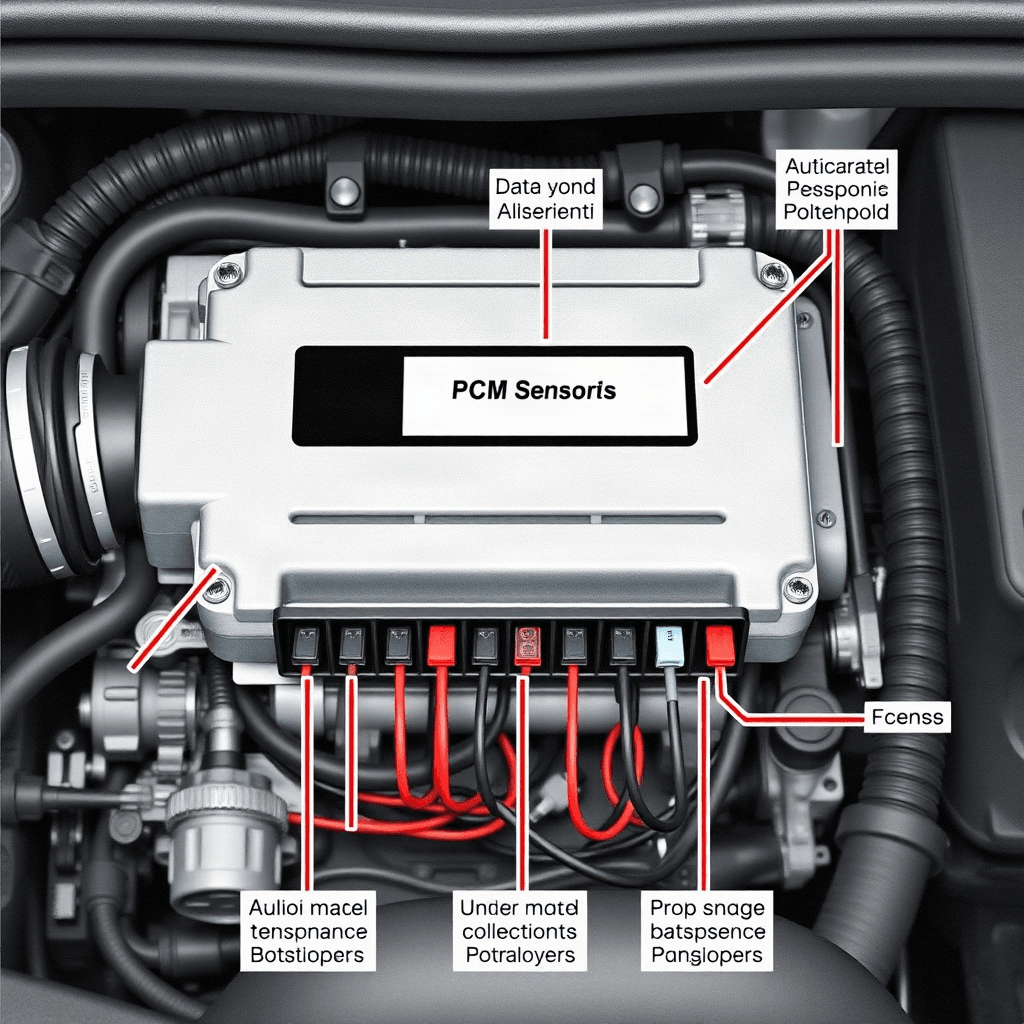
P0130 Code: O2 Sensor Circuit Malfunction Bank 1 Sensor 1
As a professional content editor and experienced journalist, I will create the following article.
Introduction
The P0130 code refers to an O2 sensor circuit malfunction in Bank 1 Sensor 1. This technical issue can have a significant impact on the performance of a vehicle. Let’s delve deeper into this topic to understand its implications and potential solutions.
Understanding P0130 Code
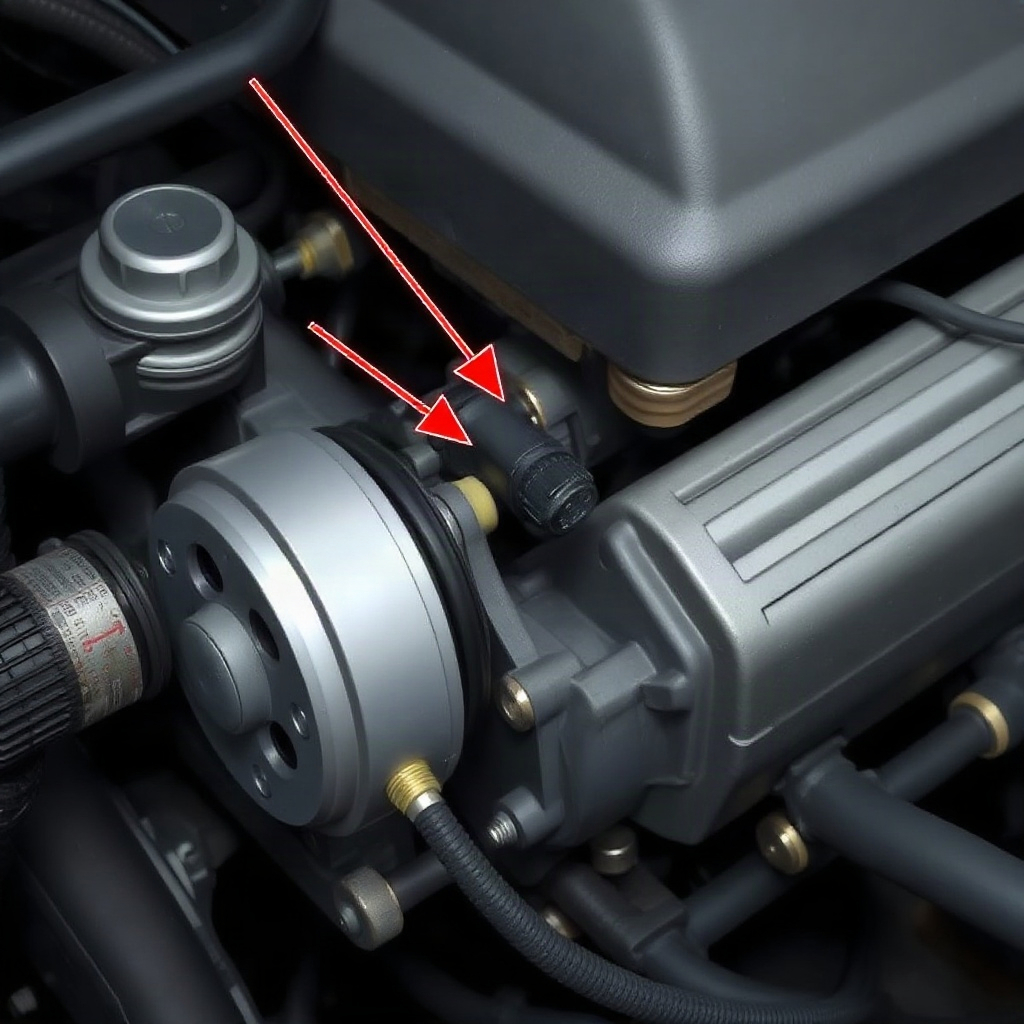
When the P0130 code is triggered, it indicates a malfunction in the oxygen sensor circuit of Bank 1 Sensor 1. This sensor plays a crucial role in monitoring the oxygen levels in the exhaust gases and providing feedback to the engine control module. A malfunction in this circuit can lead to issues such as poor fuel efficiency, rough idling, and increased emissions.
Common Causes of P0130 Code
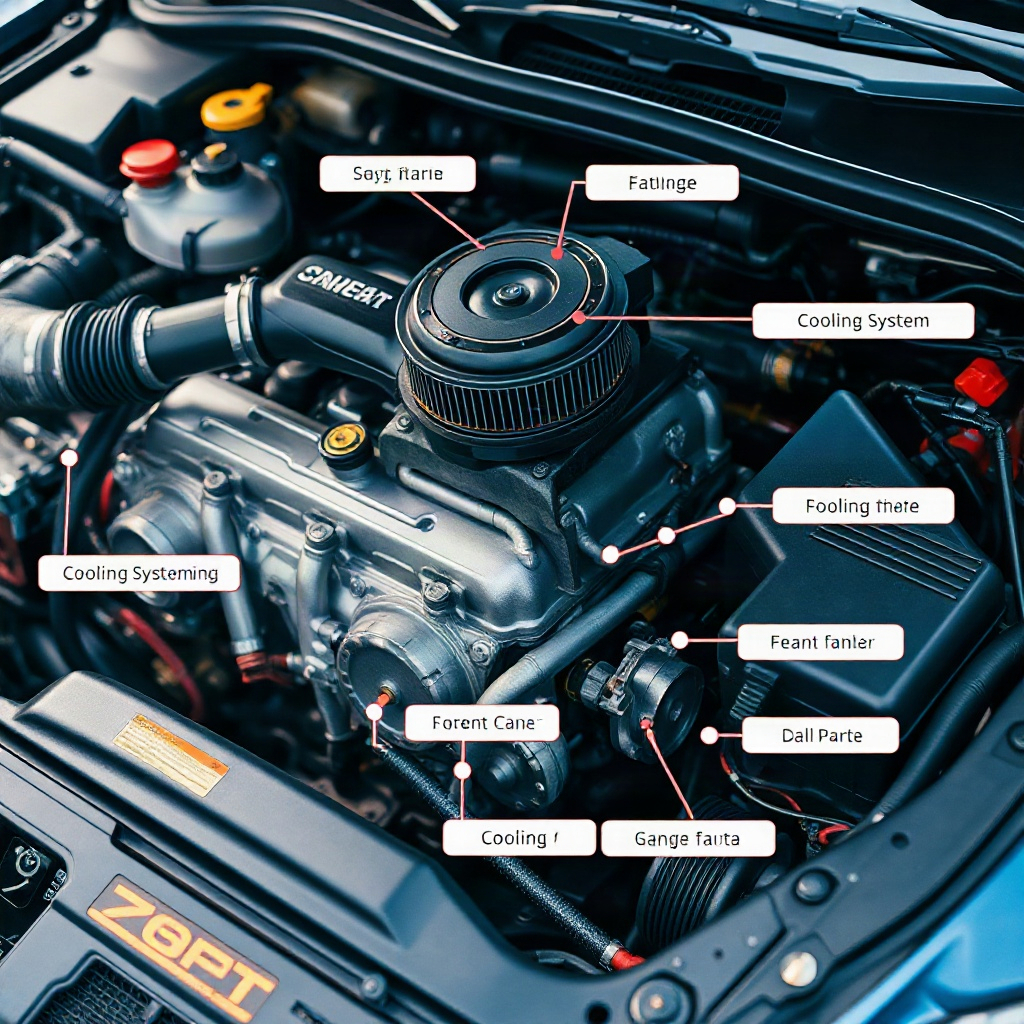
There are several factors that can contribute to the triggering of the P0130 code. Some of the common causes include a faulty oxygen sensor, damaged wiring or connectors, exhaust leaks, or issues with the engine control module. It is essential to diagnose the root cause accurately to address the issue effectively.
Diagnosing P0130 Code
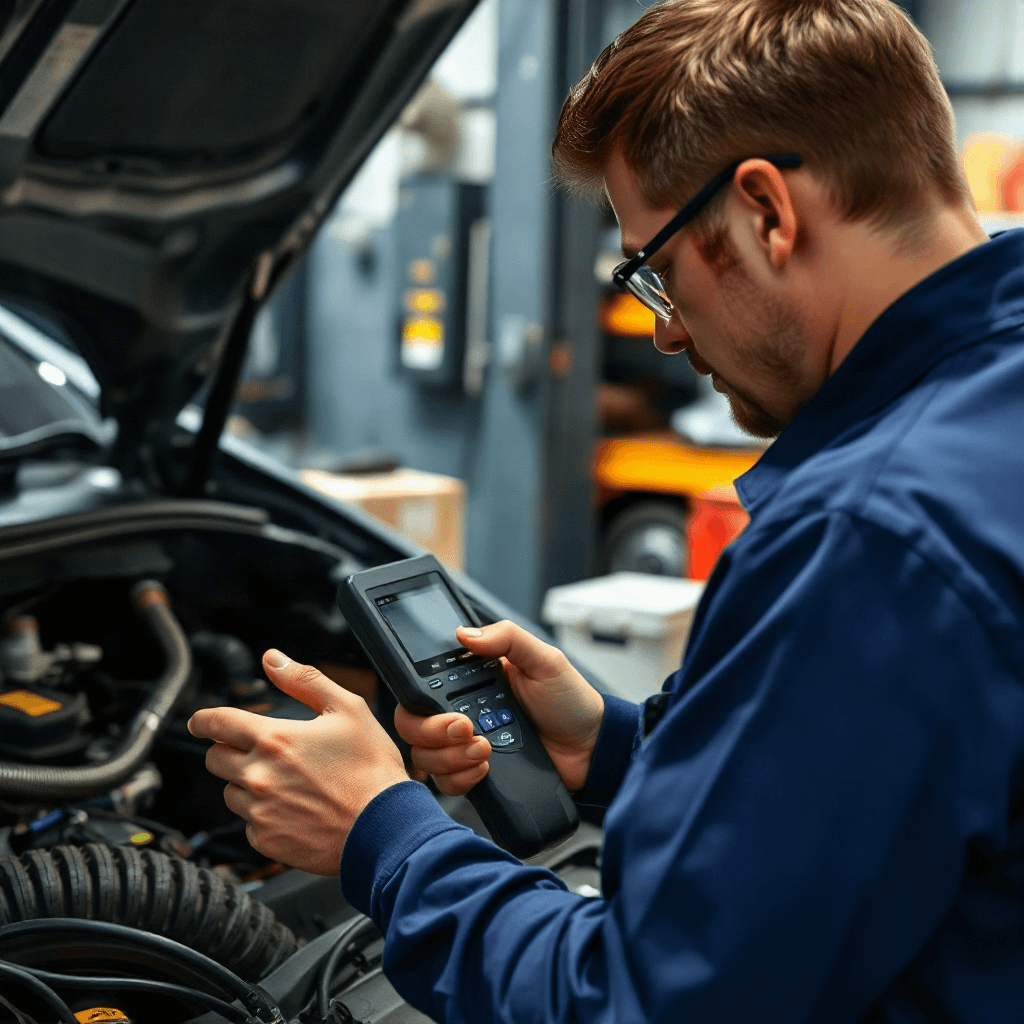
Diagnosing the P0130 code requires the use of diagnostic tools to pinpoint the exact source of the problem. Mechanics may conduct a series of tests, such as checking the sensor’s voltage output, inspecting the wiring for damage, and performing a thorough inspection of the exhaust system. Once the issue is identified, appropriate measures can be taken to resolve it.
Resolving P0130 Code
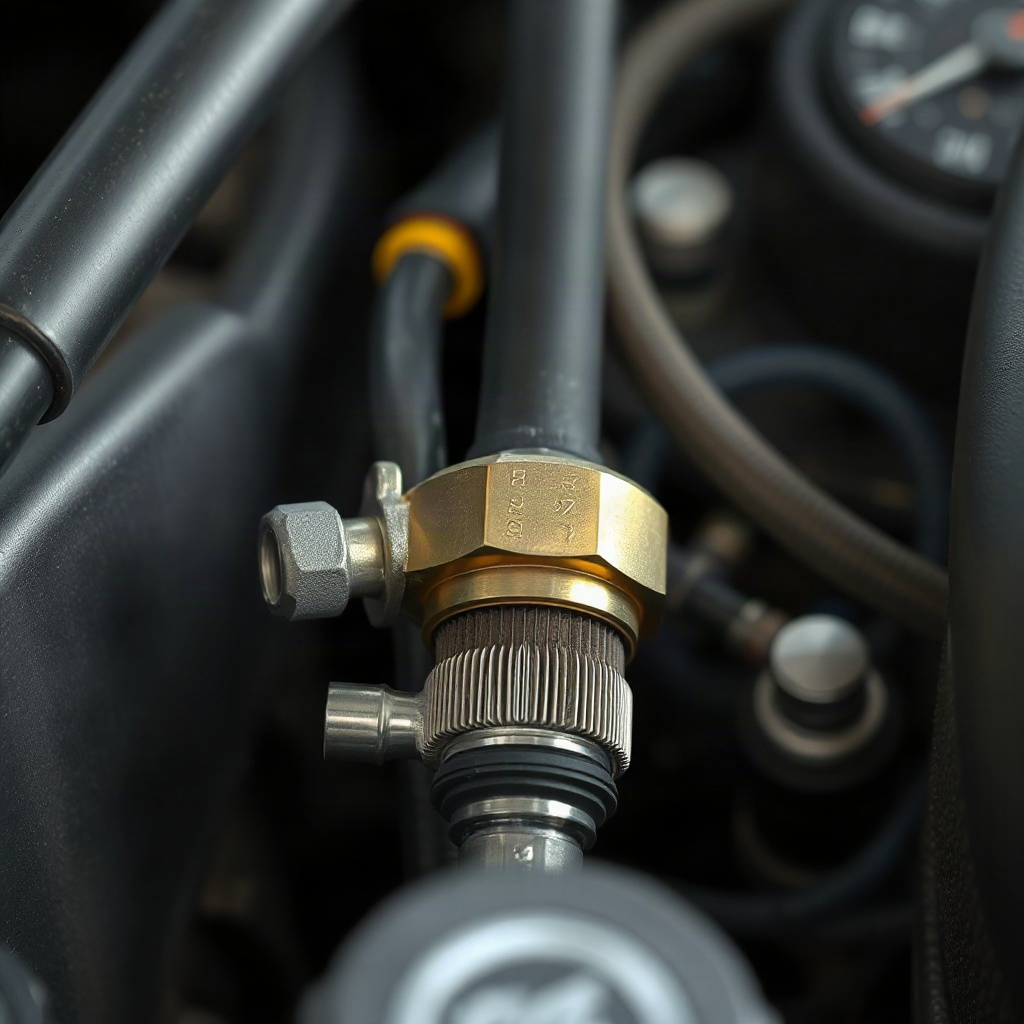
Resolving the P0130 code typically involves replacing the faulty oxygen sensor, repairing any damaged wiring or connectors, or addressing any other underlying issues. It is crucial to follow the manufacturer’s guidelines and specifications when carrying out repairs to ensure the proper functioning of the sensor and the overall vehicle.
Importance of Addressing P0130 Code
Ignoring the P0130 code can lead to more severe problems down the line, such as engine damage, increased emissions, and decreased fuel efficiency. By addressing the issue promptly and accurately, drivers can maintain the optimal performance of their vehicles and reduce the risk of costly repairs in the future.