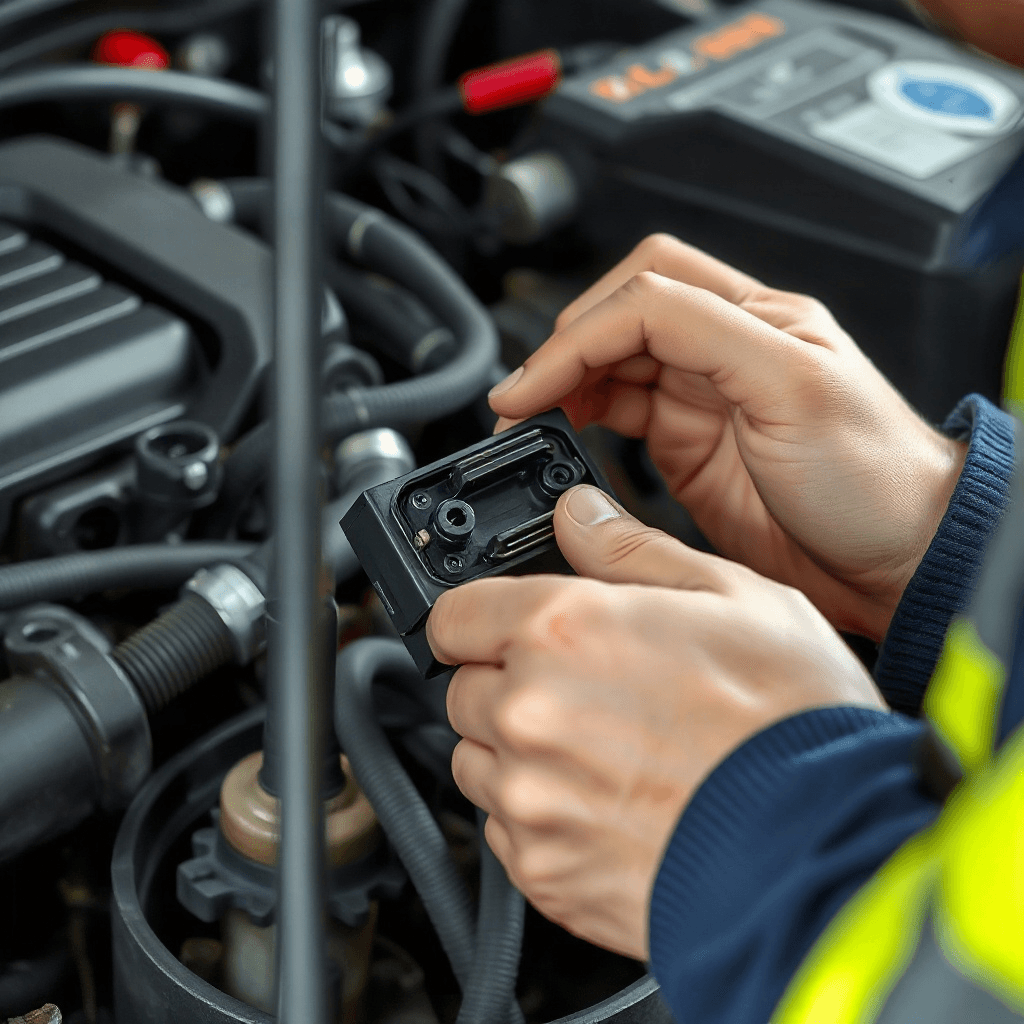
What OBD-II Readiness Monitors Reveal After a Powertrain Repair

Car diagnostics have become an essential part of modern vehicle maintenance, with OBD-II Readiness Monitors playing a crucial role in identifying potential issues after a powertrain repair. These monitors are designed to track the performance of various systems in a vehicle and provide valuable insights to mechanics and technicians. In this blog post, we will explore what OBD-II Readiness Monitors reveal after a powertrain repair and how they can help ensure the proper functioning of a vehicle.
Understanding OBD-II Readiness Monitors
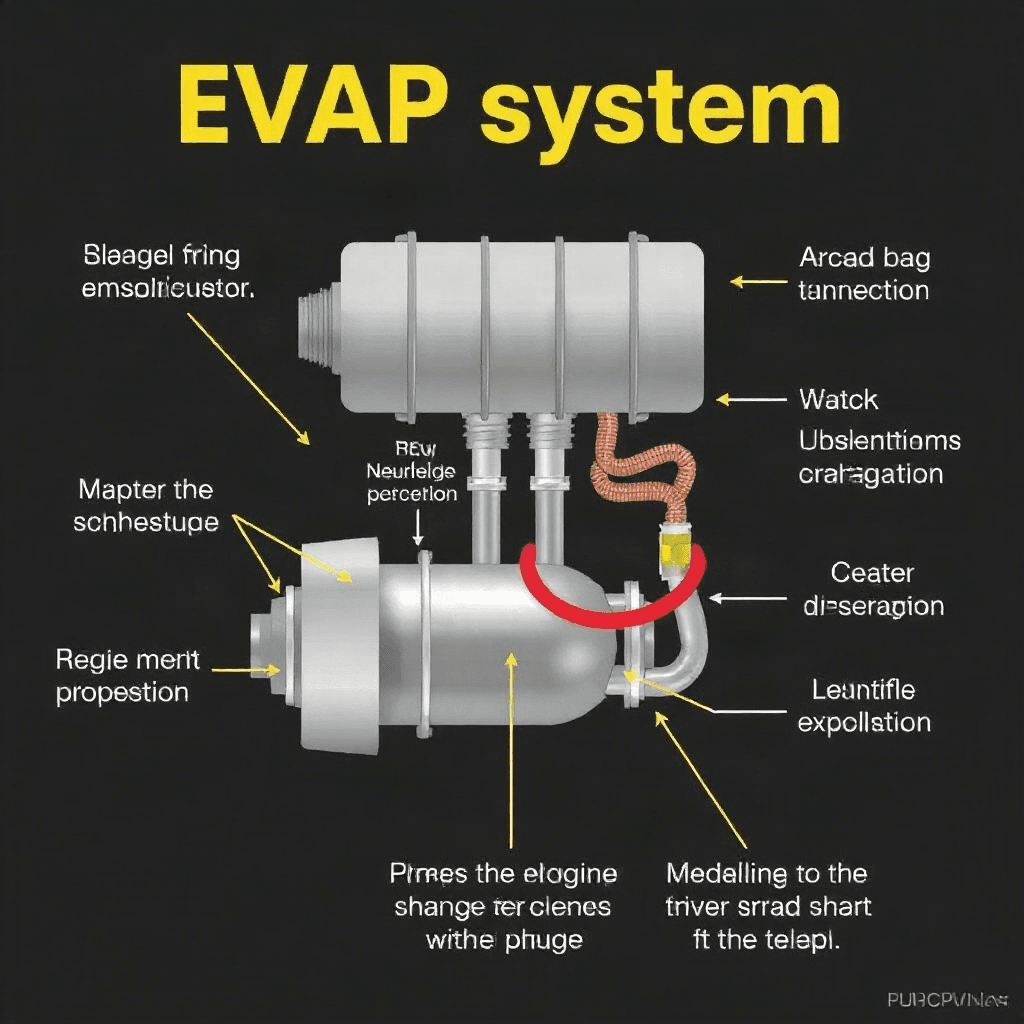
OBD-II Readiness Monitors are a set of self-tests that the vehicle’s onboard computer system performs to ensure that the emission control systems are functioning properly. These monitors check specific components such as the catalytic converter, oxygen sensors, and fuel system to detect any malfunctions or issues. After a powertrain repair, it is essential to monitor the status of these readiness monitors to ensure that the repairs have been successful and that the vehicle is running efficiently.
Importance of Diagnostic Codes
Diagnostic codes provide valuable information about the health of a vehicle’s systems and components. When a powertrain repair is performed, diagnostic codes can help identify any underlying issues that may not be immediately apparent. By reading these codes and interpreting the data provided by the OBD-II system, mechanics can pinpoint the root cause of a problem and make the necessary repairs to ensure the vehicle’s optimal performance.
Checking Readiness Monitors Post-Repair
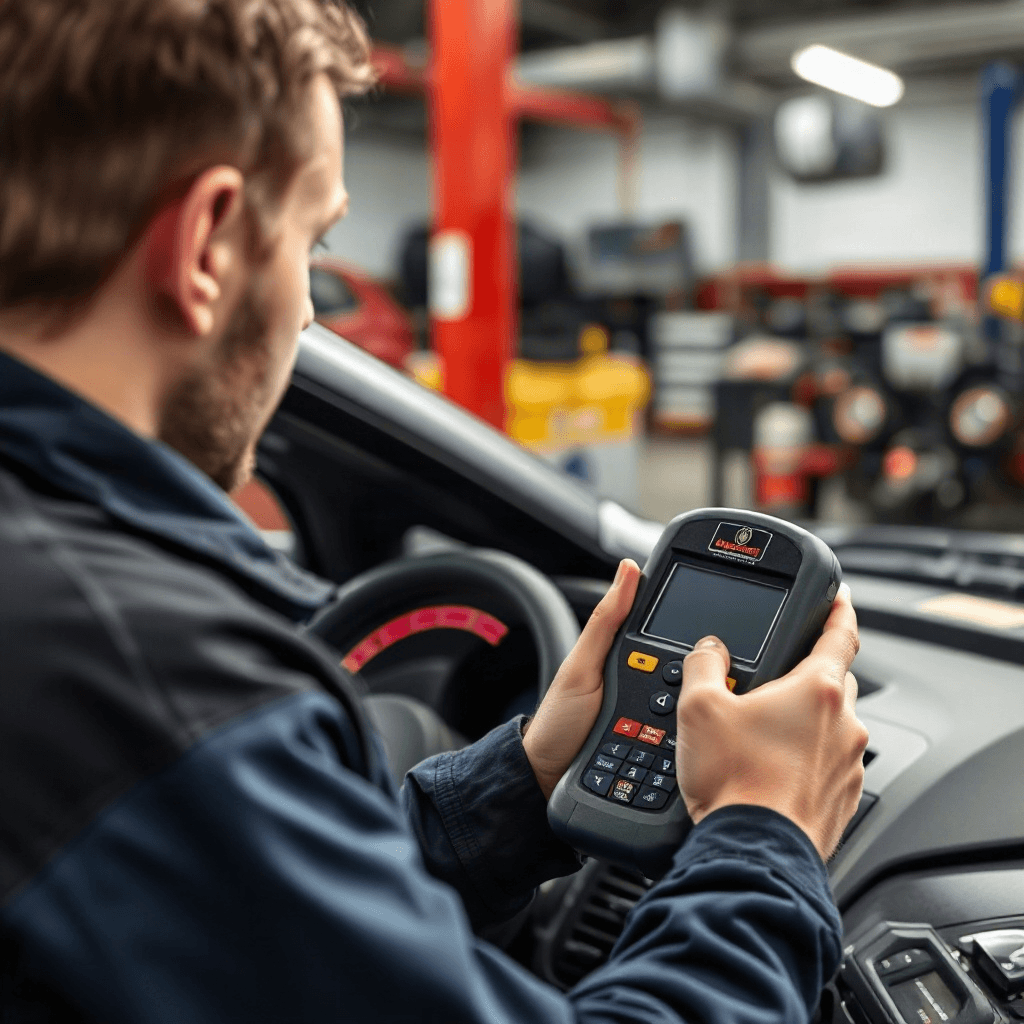
After a powertrain repair, it is crucial to check the status of the OBD-II Readiness Monitors to ensure that all systems are functioning as they should. Mechanics can use a diagnostic scanner to access the vehicle’s onboard computer system and check the status of each monitor. If any monitor shows as “not ready,” it indicates that the system has not completed its self-test and may require further attention.
Addressing Readiness Monitor Issues
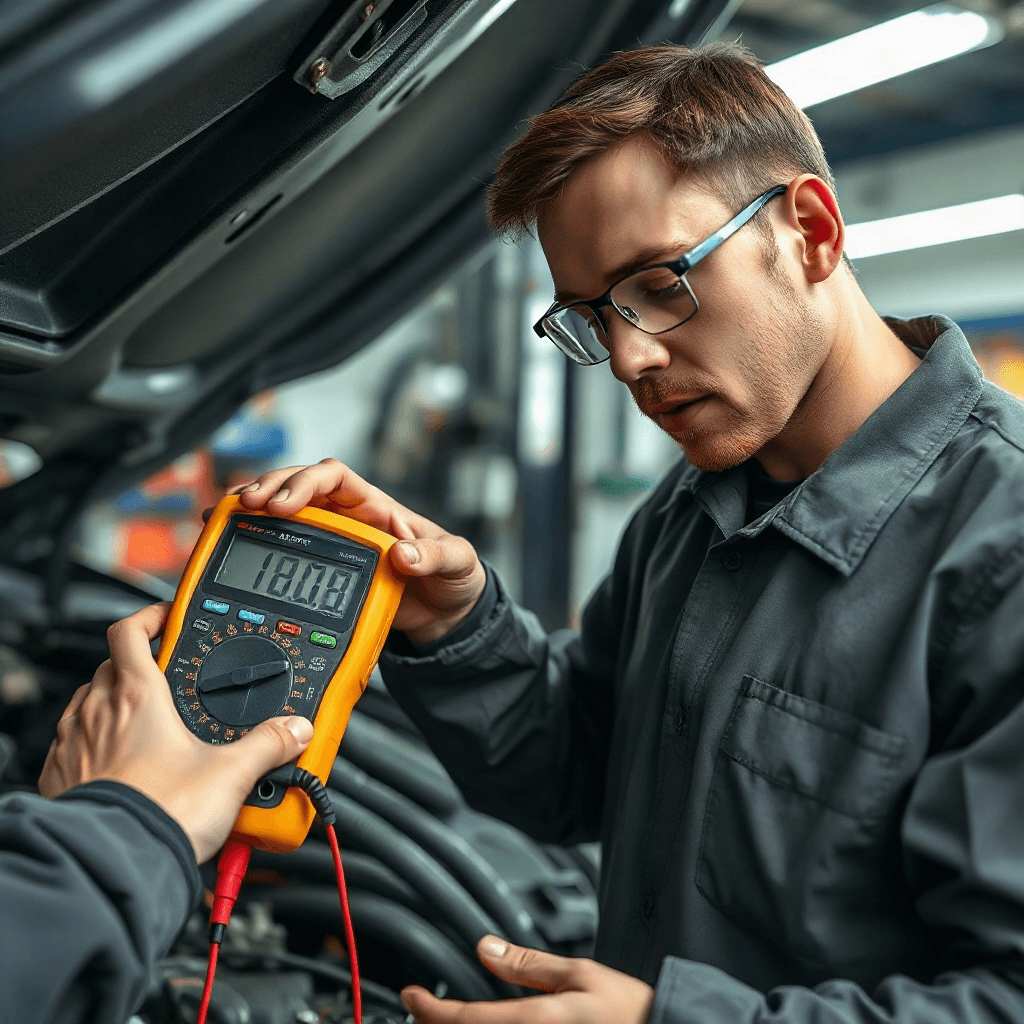
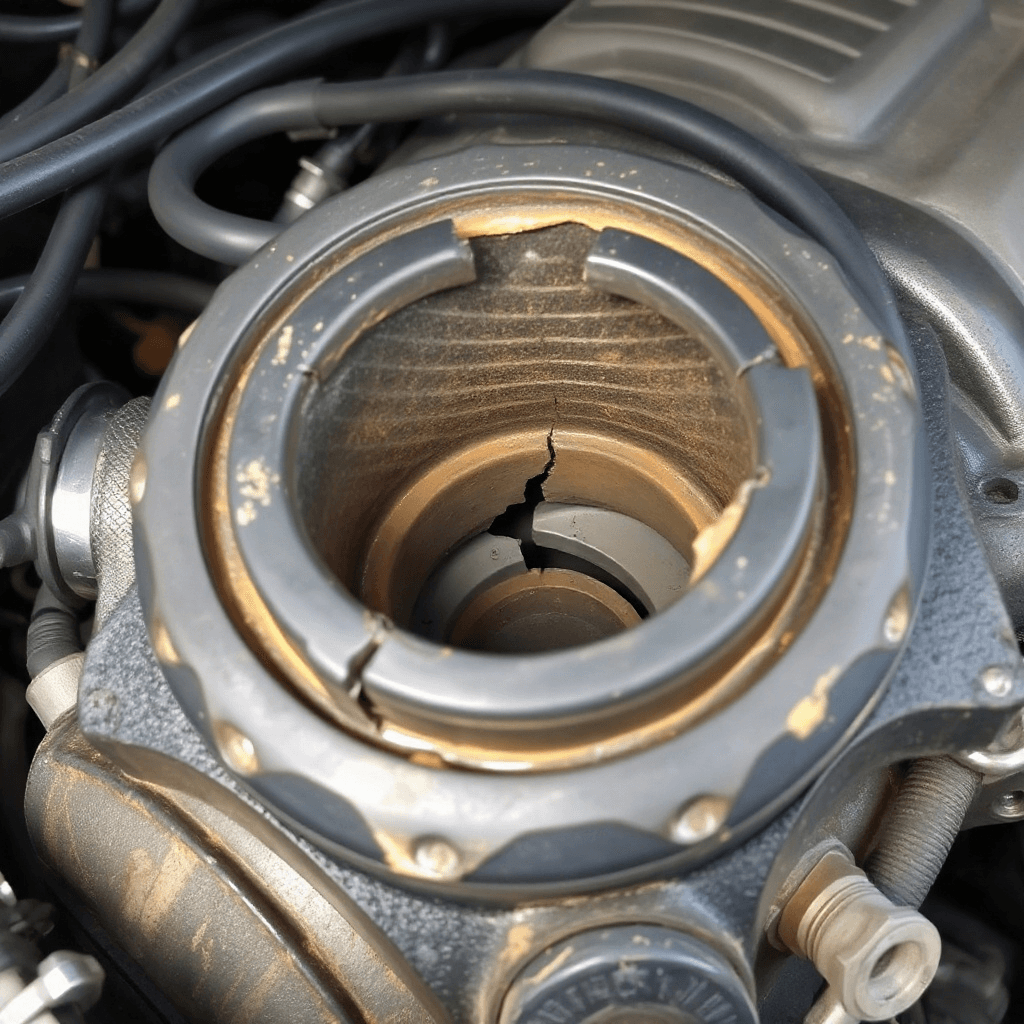
If any of the OBD-II Readiness Monitors show as “not ready” after a powertrain repair, it is essential to address the issue promptly. Mechanics can perform additional tests to determine the cause of the problem and make the necessary adjustments or repairs. Ignoring readiness monitor issues can lead to decreased fuel efficiency, increased emissions, and potential damage to the vehicle’s engine components.
Benefits of OBD-II Readiness Monitors
OBD-II Readiness Monitors offer several benefits for both vehicle owners and mechanics. By providing real-time data on the performance of emission control systems, these monitors help identify potential issues before they escalate into major problems. Additionally, monitoring the status of readiness monitors post-repair can help ensure the longevity and reliability of a vehicle, ultimately saving owners time and money on costly repairs.
Conclusion
In conclusion, OBD-II Readiness Monitors play a vital role in detecting and addressing potential issues after a powertrain repair. By monitoring the status of these monitors and addressing any issues promptly, mechanics can ensure that a vehicle is running efficiently and meeting emission standards. Understanding the importance of diagnostic codes and readiness monitors can help both vehicle owners and mechanics maintain the optimal performance of a vehicle post-repair.