Engine Cranks but Has No Spark: How to Narrow Down the Fault
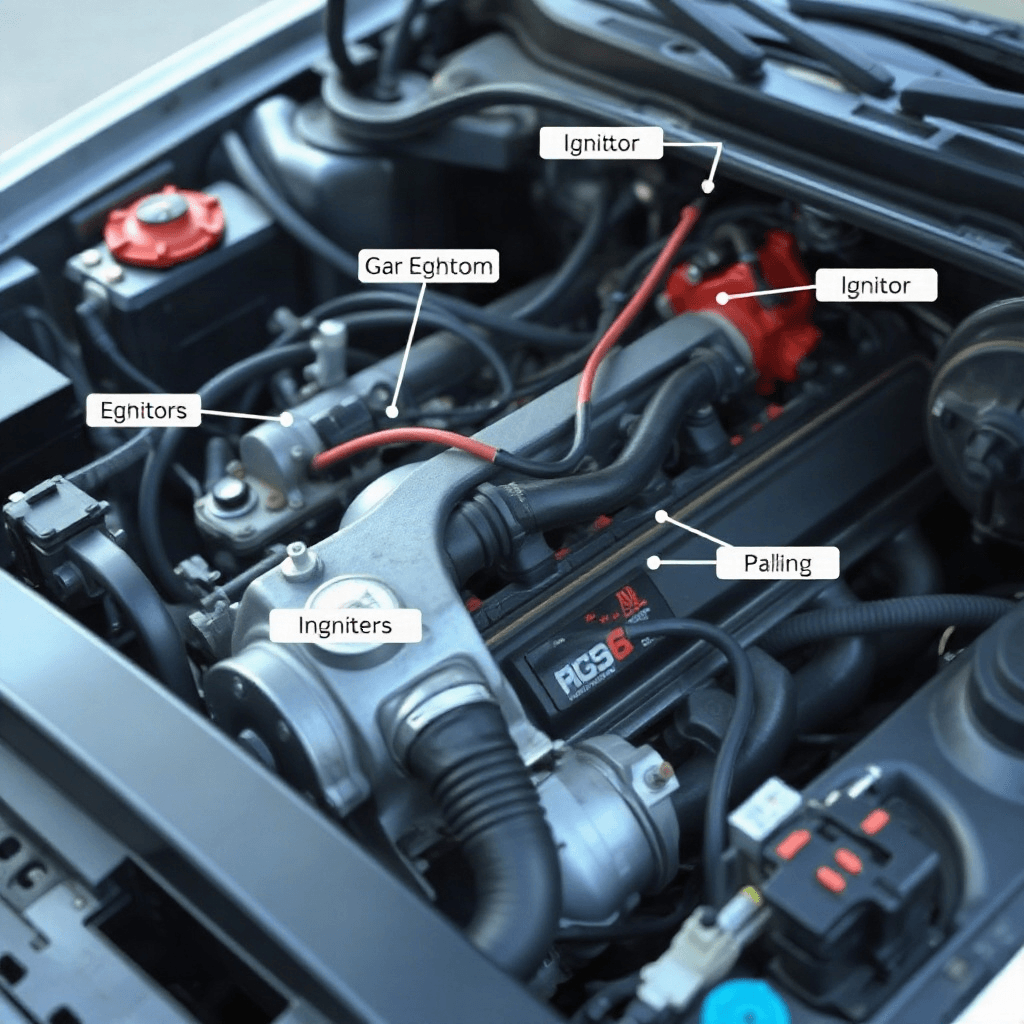
When your engine cranks but has no spark, it can be a frustrating situation for any car owner. The lack of spark can prevent your engine from starting, leaving you stranded and wondering what the issue might be. In this expert guide, we will walk you through the process of narrowing down the fault in your ignition system.
Understanding the Ignition System
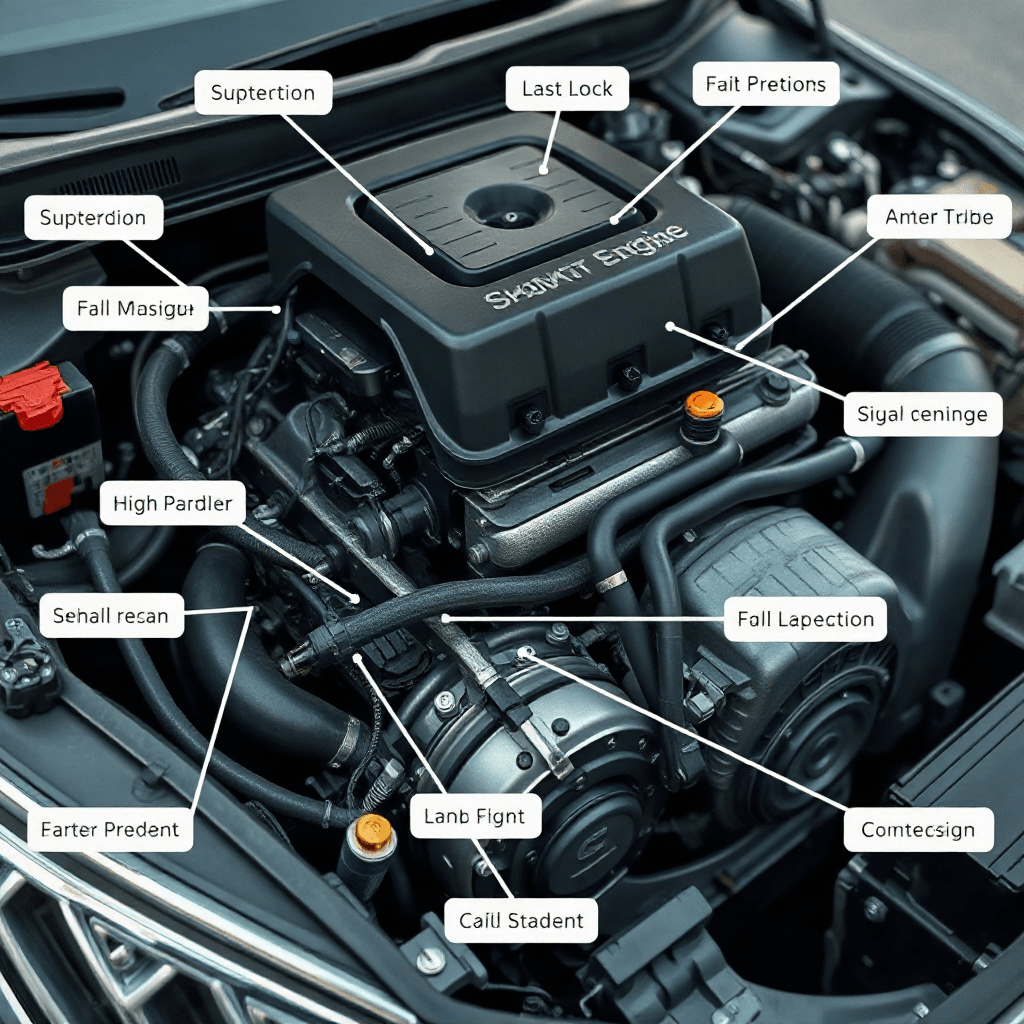
To diagnose the lack of spark in your engine, it’s crucial to first understand how the ignition system works. The ignition system consists of various components such as the battery, ignition coil, spark plug wires, and spark plugs. Each of these components plays a vital role in generating the spark that ignites the air-fuel mixture in the combustion chamber.
Checking the Spark Plugs
One of the first steps in troubleshooting a no-spark condition is to inspect the spark plugs. Spark plugs can become fouled or worn out over time, leading to a weak or nonexistent spark. Remove the spark plugs and examine them for any signs of damage, such as carbon buildup or worn electrodes. Replace any faulty spark plugs with new ones to see if it resolves the issue.
Testing the Ignition Coil
The ignition coil is responsible for generating the high voltage needed to create a spark at the spark plugs. Use a multimeter to test the ignition coil for resistance and continuity. If the readings are outside the manufacturer’s specifications, it may indicate a faulty ignition coil that needs to be replaced.
Inspecting the Spark Plug Wires
Faulty spark plug wires can also cause a no-spark condition in your engine. Inspect the spark plug wires for any visible damage, such as cracks or breaks. Use a spark plug wire tester to check for proper conductivity and replace any damaged wires to ensure a strong spark is reaching the spark plugs.
Testing the Ignition Control Module
The ignition control module (ICM) regulates the timing of the spark in the ignition system. If the ICM malfunctions, it can disrupt the spark timing and lead to a no-spark condition. Test the ICM using a digital multimeter to check for voltage output and replace it if it fails to provide the necessary signal to the ignition coil.
Verifying the Battery and Ground Connections
A weak or dead battery can also prevent the ignition system from producing a spark. Ensure that the battery is fully charged and that the ground connections are clean and tight. Poor ground connections can disrupt the flow of electricity to the ignition system, causing a no-spark condition.
By following these steps and systematically checking each component of the ignition system, you can narrow down the fault causing your engine to crank but have no spark. Remember to always use caution when working on the ignition system and consult a professional if you are unsure about any aspect of the diagnosis or repair process.