Why an OBD-II Code Names a Circuit, Not Necessarily a Failed Part

Understanding why an OBD-II code specifies a circuit rather than a failed part is crucial for those involved in automotive diagnostics and repairs. On-board diagnostics (OBD) systems provide standardized trouble codes that help identify issues within a vehicle. However, these codes often indicate a problem with a specific circuit rather than pinpointing a particular part. This article explores the nuances of OBD-II codes, providing insight into why these codes are more focused on circuits and how this approach aids automotive professionals in accurate diagnostics and repairs.
The Role of OBD-II Systems in Modern Vehicles
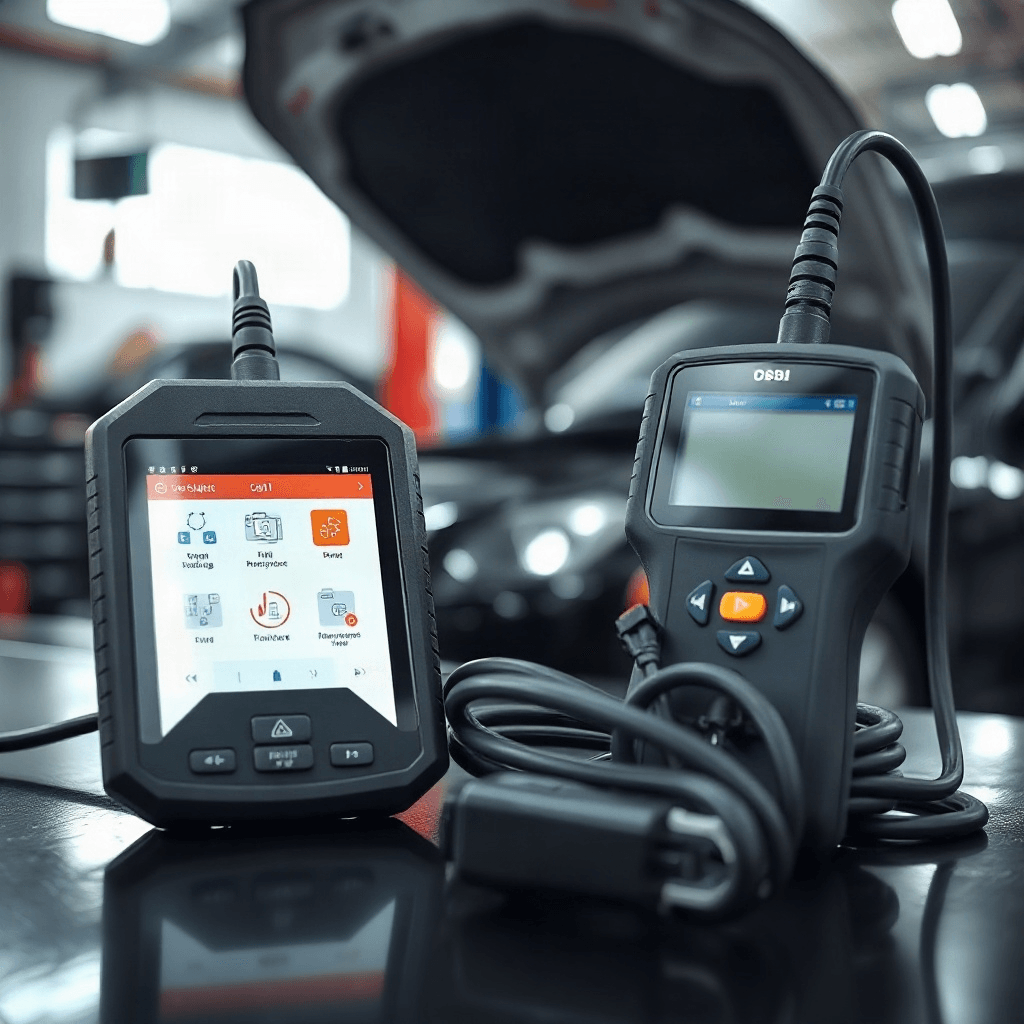
OBD-II systems have become an integral component of modern vehicles, providing a wealth of information that aids technicians in diagnosing issues. Introduced to standardize emissions control diagnostics, OBD-II systems monitor various vehicle systems to ensure optimal performance. They continually check the status of the engine, transmission, and other critical components by analyzing data from sensors throughout the vehicle. When a fault is detected, the system generates a diagnostic trouble code (DTC), which indicates the affected circuit. This approach focuses on the network of sensors and actuators, emphasizing the importance of the entire system rather than an isolated part. Technicians use these codes to interpret the health of the vehicle’s systems, making the OBD-II a powerful tool in modern automotive diagnostics.
Why OBD-II Codes Focus on Circuits
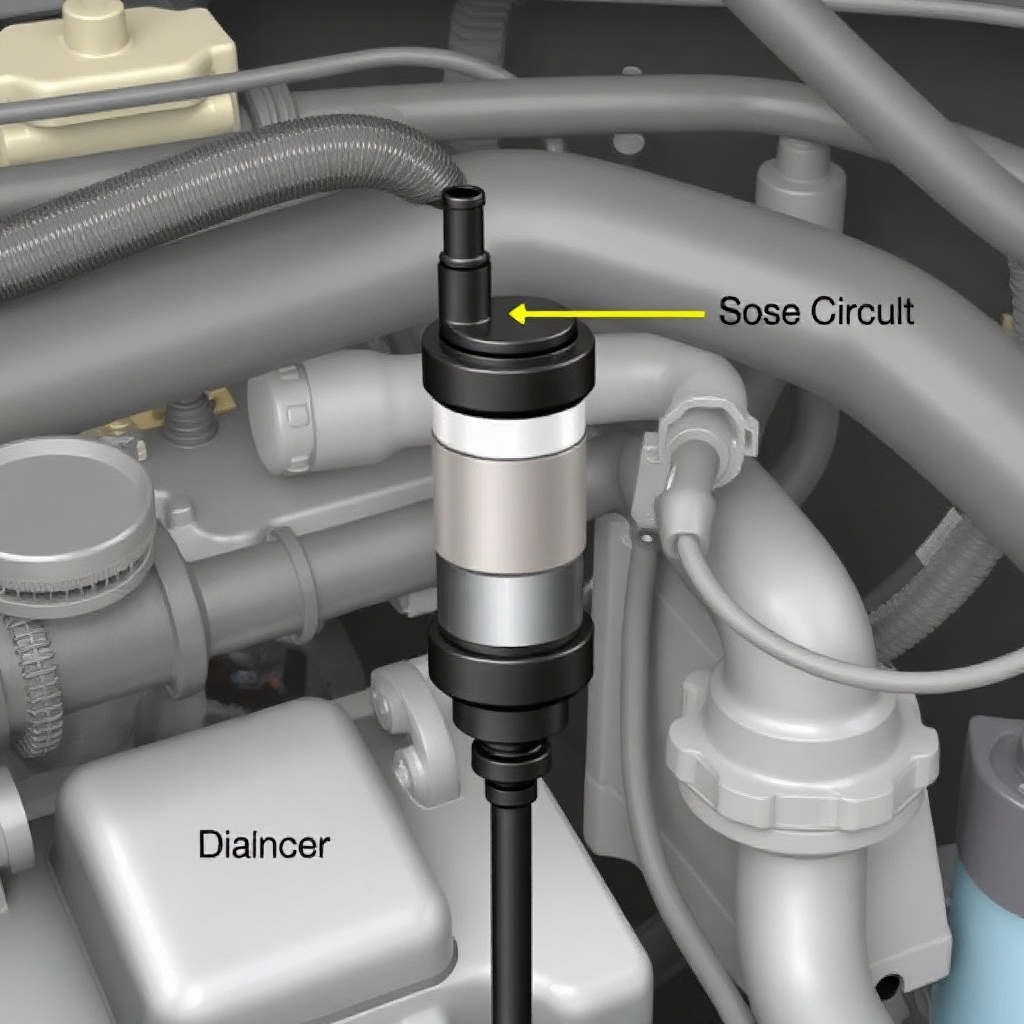
OBD-II codes are designed to identify circuit issues rather than specific parts due to the complexity of modern vehicle systems. Circuits encompass a group of components that work together, including sensors, wires, and control modules. By identifying a problematic circuit, technicians can investigate the entire network for issues, such as faulty wiring, poor connections, or failed components. This circuit-focused approach offers a more comprehensive diagnostic process, allowing for efficient troubleshooting and repair. It ensures that technicians do not overlook potential issues hidden within the interconnected systems of the vehicle. As a result, this methodology helps prevent misdiagnoses and reduces the likelihood of unnecessary part replacements, ultimately saving time and resources.
Interpreting OBD-II Diagnostic Trouble Codes
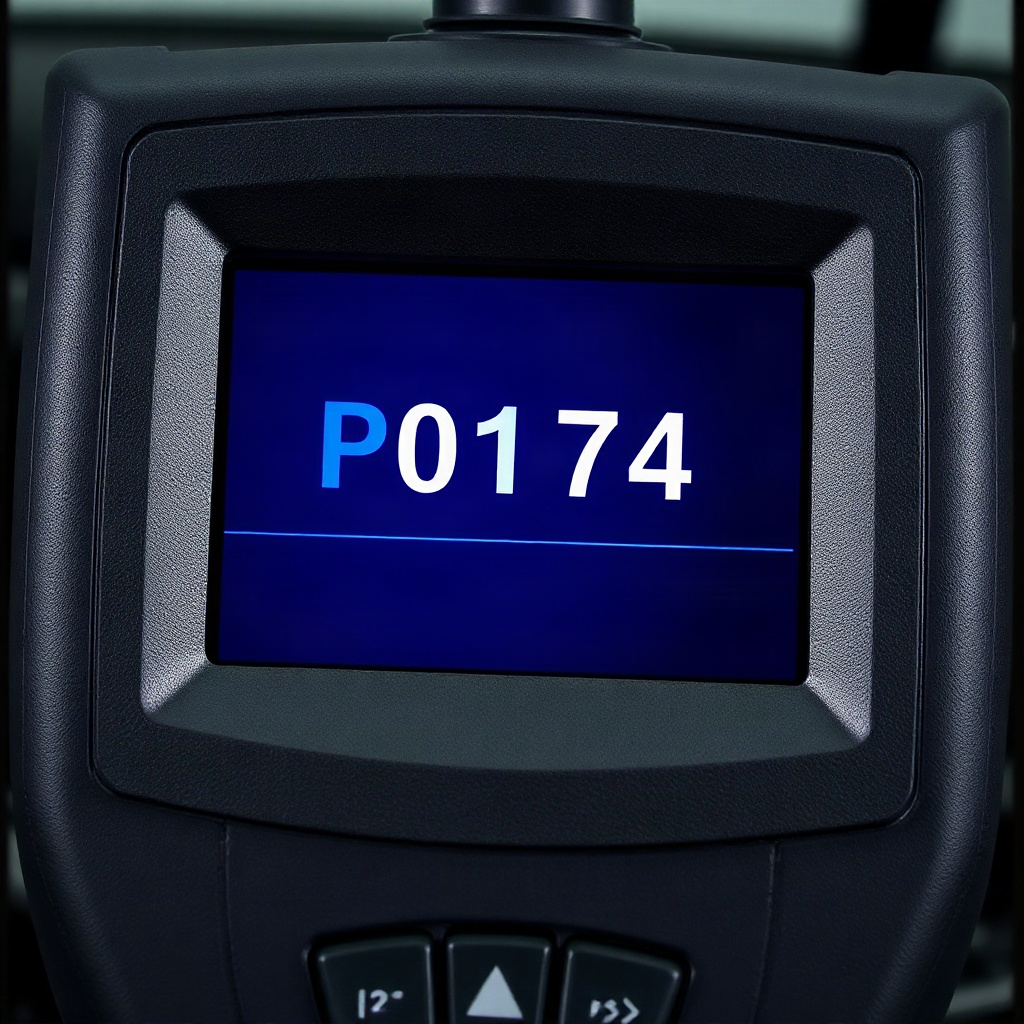
Interpreting OBD-II diagnostic trouble codes requires an understanding of the code structure and the vehicle’s systems. Each code is a combination of letters and numbers, providing specific information about the issue at hand. The letter at the beginning of the code indicates the system affected, such as “P” for powertrain or “B” for body systems. The subsequent numbers offer more detailed information about the specific circuit and nature of the fault. Technicians use this structured approach to pinpoint the potential causes of the issue within the circuit. By relying on these codes, they can methodically assess the vehicle’s systems and identify the root cause of the problem. This systematic process is essential for accurate diagnostics and effective repairs.
Common Misconceptions About OBD-II Codes
A common misconception about OBD-II codes is that they directly indicate a failed part, leading to unnecessary part replacements. However, these codes are primarily designed to identify circuit issues, prompting a thorough investigation of the entire network. Technicians must avoid the pitfall of assuming a single faulty part based solely on a trouble code. Instead, they should use the code as a starting point for a more comprehensive diagnostic process. By examining the entire circuit and considering potential issues such as intermittent faults or wiring problems, they can avoid misdiagnoses and ensure accurate repairs. Understanding this distinction is crucial for effective use of OBD-II systems in automotive diagnostics.
The Importance of Comprehensive Diagnostics
Comprehensive diagnostics are vital in accurately addressing issues indicated by OBD-II codes. Simply replacing a part based on a trouble code without investigating the circuit can lead to persistent problems. Thorough diagnostics involve testing the entire circuit, including sensors, wiring, and control modules, to identify the true source of the issue. This approach not only ensures accurate repairs but also prevents future problems by addressing underlying issues that might be overlooked. Technicians must prioritize comprehensive diagnostics, using OBD-II codes as a guide rather than a definitive answer, to maintain the vehicle’s performance and reliability.
Utilizing OBD-II Codes for Preventive Maintenance
OBD-II codes are not only useful for diagnosing existing problems but also for preventive maintenance. Regularly scanning a vehicle for diagnostic trouble codes can help identify potential issues before they become severe, allowing for timely intervention. By monitoring the vehicle’s systems and addressing circuit issues as they arise, technicians can prevent costly repairs and extend the vehicle’s lifespan. This proactive approach to vehicle maintenance ensures that the vehicle operates efficiently and reduces the risk of unexpected breakdowns. Utilizing OBD-II codes for preventive maintenance is a valuable strategy for maintaining vehicle health and performance.