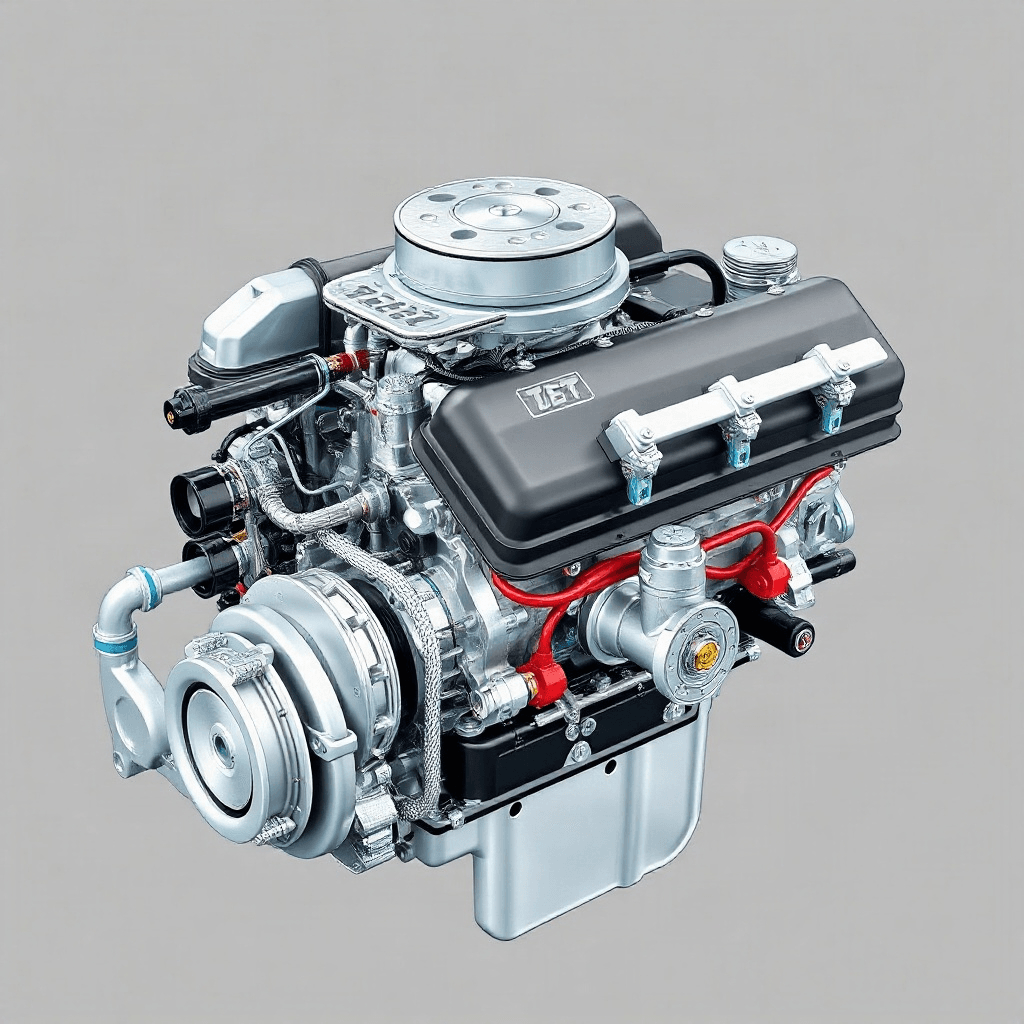
Engine Idles Up and Down: Diagnosing an Unstable Idle Speed
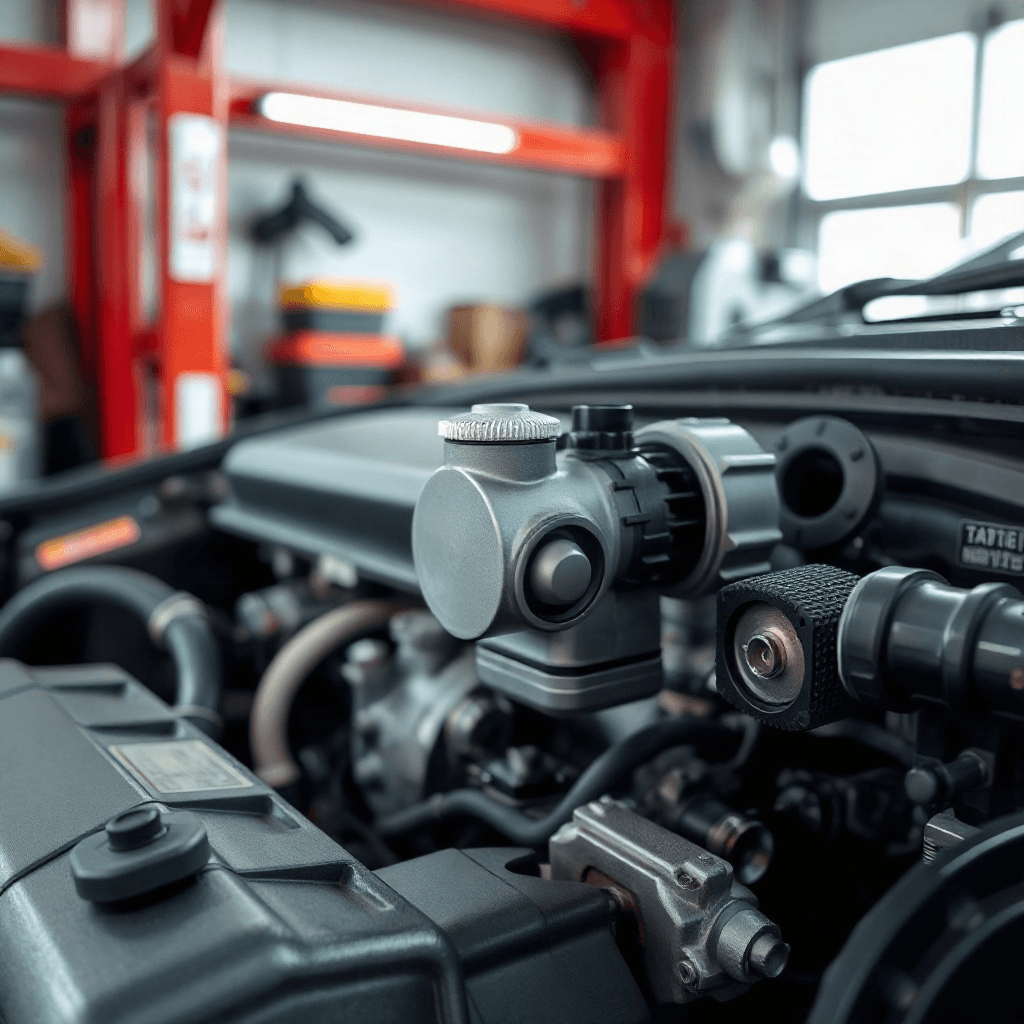
When an engine idles up and down unpredictably, it can be both an annoyance and a signal of underlying mechanical issues. This phenomenon, commonly referred to as an unstable idle speed, not only affects the driving experience but can also lead to more serious problems if left unaddressed. Understanding the potential causes and solutions is crucial for maintaining optimal vehicle performance. In this article, we will delve into the intricacies of diagnosing an unstable idle speed, exploring the various components that might contribute to this issue and offering guidance on how to approach it effectively.
Understanding Idle Speed Fluctuation
Idle speed fluctuation occurs when the engine’s revolutions per minute (RPM) rise and fall erratically while the vehicle is stationary. This inconsistency can stem from various factors, including both mechanical and electronic components. Common culprits often involve issues with the fuel delivery system, air intake, or ignition system. For example, a dirty fuel injector might cause inconsistent fuel flow, leading to irregular combustion and fluctuations in RPM. Similarly, a malfunctioning idle air control valve could disrupt the balance of air entering the engine, causing similar symptoms. Diagnosing the root cause requires a systematic approach, often beginning with a thorough inspection of these critical systems.
The Role of the Fuel System
The fuel system is one of the primary areas to investigate when dealing with an unstable idle speed. Any disruption in the delivery of fuel can lead to combustion irregularities, directly affecting engine performance. Dirty or clogged fuel injectors are frequent offenders, as they can hinder the precise spray of fuel necessary for smooth engine operation. Additionally, issues such as a faulty fuel pump or a clogged fuel filter can restrict fuel flow, leading to fluctuations in idle speed. Addressing these problems often involves cleaning or replacing fuel system components to ensure proper fuel delivery and restore stable engine performance.
Air Intake System and Its Impact
The air intake system plays a pivotal role in maintaining a steady idle speed by regulating the amount of air entering the engine. Components such as the throttle body, mass air flow sensor, and idle air control valve are integral to this process. A dirty throttle body can impede airflow, causing the engine to struggle for air at idle. Similarly, a malfunctioning mass air flow sensor might send incorrect data to the engine control unit (ECU), leading to incorrect air-fuel mixture adjustments. Regular maintenance, including cleaning the throttle body and ensuring sensors are functioning correctly, is essential for preventing idle speed issues related to the air intake system.
Ignition System Considerations
The ignition system is another critical area to assess when unraveling the mystery of an unstable idle speed. Spark plugs, ignition coils, and related components must work harmoniously to ignite the air-fuel mixture effectively. Worn or faulty spark plugs can cause misfires, leading to erratic engine behavior, including idle speed fluctuations. Ignition coils that are failing can also contribute to incomplete combustion, further exacerbating the problem. Regular inspection and replacement of ignition components as needed can help maintain a stable idle and optimize engine performance.
Electronic Control Unit ECU and Sensor Interplay
The ECU plays a central role in managing engine performance, including controlling idle speed by processing data from various sensors. A malfunctioning ECU or faulty sensors can send incorrect signals, leading to improper adjustments in fuel and air delivery. The idle air control valve, throttle position sensor, and oxygen sensors are among those that, if faulty, can impact idle stability. Diagnosing these issues may require specialized diagnostic tools to read error codes and ensure all sensors are functioning within specified parameters. Timely repair or replacement of defective sensors can restore stability to the engine’s idle.
Preventive Maintenance and Future Considerations
Preventive maintenance is crucial in avoiding issues related to unstable idle speed. Regularly scheduled inspections and servicing of the fuel, air intake, and ignition systems can catch potential problems before they escalate. Additionally, keeping detailed records of maintenance and repairs can aid in diagnosing issues more efficiently. As vehicles become more advanced, understanding the interplay of mechanical and electronic components is essential for effective troubleshooting. Incorporating these practices into routine vehicle maintenance can not only enhance performance but also extend the lifespan of the engine.