Engine Vibrates at Idle but Smooths Out While Driving: What to Check
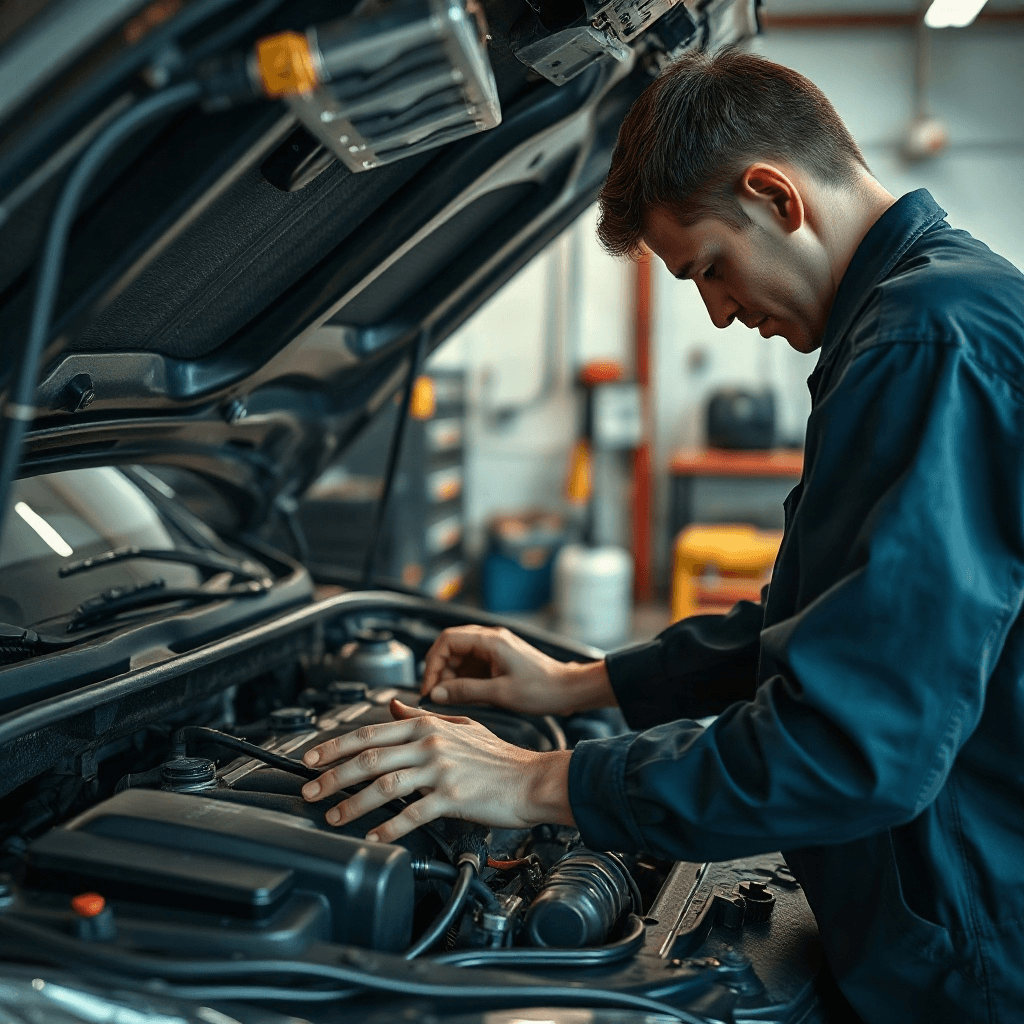
Experiencing engine vibrations while your car is idling can be both unsettling and frustrating. You might notice that these vibrations mysteriously smooth out once you’re on the move, leaving you puzzled about what could be causing this peculiar phenomenon. Understanding the underlying mechanics and potential issues could save you from costly repairs in the future. In this article, we will explore the possible causes of engine vibrations at idle, what checks you can perform, and when it might be time to seek professional help.
The Role of Engine Mounts in Vibration Control
One of the first components to examine when dealing with engine vibrations is the engine mount. Engine mounts are designed to secure the engine to the vehicle’s frame while simultaneously absorbing vibrations. Over time, these mounts can wear out or become damaged, losing their ability to dampen vibrations effectively. If you’re noticing vibrations only at idle, it could be a sign that the engine mounts are deteriorating. Conducting a visual inspection can help identify any visible cracks or separations. If you’re unsure, consulting with a mechanic can provide clarity and an accurate diagnosis. Keep in mind that what seems like a minor inconvenience could lead to more significant issues if left unaddressed.
The Impact of Spark Plugs and Ignition System
The ignition system, including spark plugs, plays a crucial role in ensuring smooth engine operation. Faulty spark plugs can cause misfires, leading to uneven engine running and noticeable vibrations, especially at idle. If the spark plugs are worn or covered in deposits, they may not ignite the air-fuel mixture as efficiently, resulting in engine roughness. You can check the condition of your spark plugs by removing them and inspecting for wear or damage. Replacing old spark plugs can often resolve idle vibration issues and improve overall engine performance. Additionally, ensure that the ignition coils and wires are in good condition to maintain a smooth ignition process.
Importance of a Balanced Air-Fuel Mixture
The air-fuel mixture is critical for optimal engine performance and efficiency. An imbalance in this mixture can lead to various engine issues, including vibrations at idle. Several factors can affect the air-fuel balance, such as a dirty air filter, malfunctioning fuel injectors, or a faulty mass airflow sensor. Checking and replacing a clogged air filter is a simple fix that can immediately improve the engine’s idling characteristics. Moreover, ensuring that fuel injectors are clean and functioning correctly will help maintain the proper mixture. Regular maintenance and inspections can prevent these components from becoming problematic and causing vibrations.
Examining the Exhaust System and Its Role
The exhaust system is another area that can contribute to engine vibrations if not functioning correctly. Leaks or blockages within the exhaust can disrupt the flow of exhaust gases, leading to pressure imbalances and vibration. A simple way to check for exhaust leaks is by listening for unusual noises, such as hissing or tapping, which can indicate a problem. Additionally, a visual inspection of the exhaust system for rust or damage can help identify issues. If you suspect an exhaust problem, it might be wise to have it checked by a professional to avoid more severe damage to the vehicle.
Transmission Troubles and Their Effects
Transmission issues can also manifest as vibrations at idle. Problems such as low transmission fluid, worn-out components, or a need for transmission tuning might be the culprits. Checking the transmission fluid level and condition is a good starting point, as low or dirty fluid can lead to transmission inefficiencies. If the transmission fluid level is low, topping it up might resolve the issue. However, if the problem persists, further investigation by a professional may be necessary. Transmission-related vibrations can quickly escalate into more significant concerns, so timely attention is crucial.
When Professional Help Becomes Necessary
While there are several checks and minor repairs you can perform yourself, some issues may require professional expertise. Persistent vibrations despite addressing common causes should prompt a visit to a trusted mechanic. A professional can conduct thorough diagnostics, utilizing advanced equipment to identify hidden problems that might not be immediately visible. Ignoring persistent engine vibrations could lead to more severe mechanical failures, making proactive measures essential. When in doubt, seeking help from professionals can save time, money, and potential safety risks.