U0192 Code: Lost Communication With Telematics Control Module

In the realm of modern vehicle technology, the U0192 diagnostic trouble code signifies a loss of communication with the Telematics Control Module (TCM). This code is crucial for understanding how the various electronic systems within a vehicle interact, and its appearance can indicate a disruption that may affect vehicle performance and safety. As vehicles become increasingly reliant on electronic systems for optimal functioning, the ability to diagnose and resolve issues related to the TCM is of paramount importance for automotive professionals. The U0192 code is not merely a technical anomaly; it represents a broader challenge in maintaining the seamless communication that modern vehicles require. This article explores the intricacies of the U0192 code, shedding light on its causes, implications, and solutions within the landscape of contemporary automotive engineering.
Understanding the Role of the Telematics Control Module
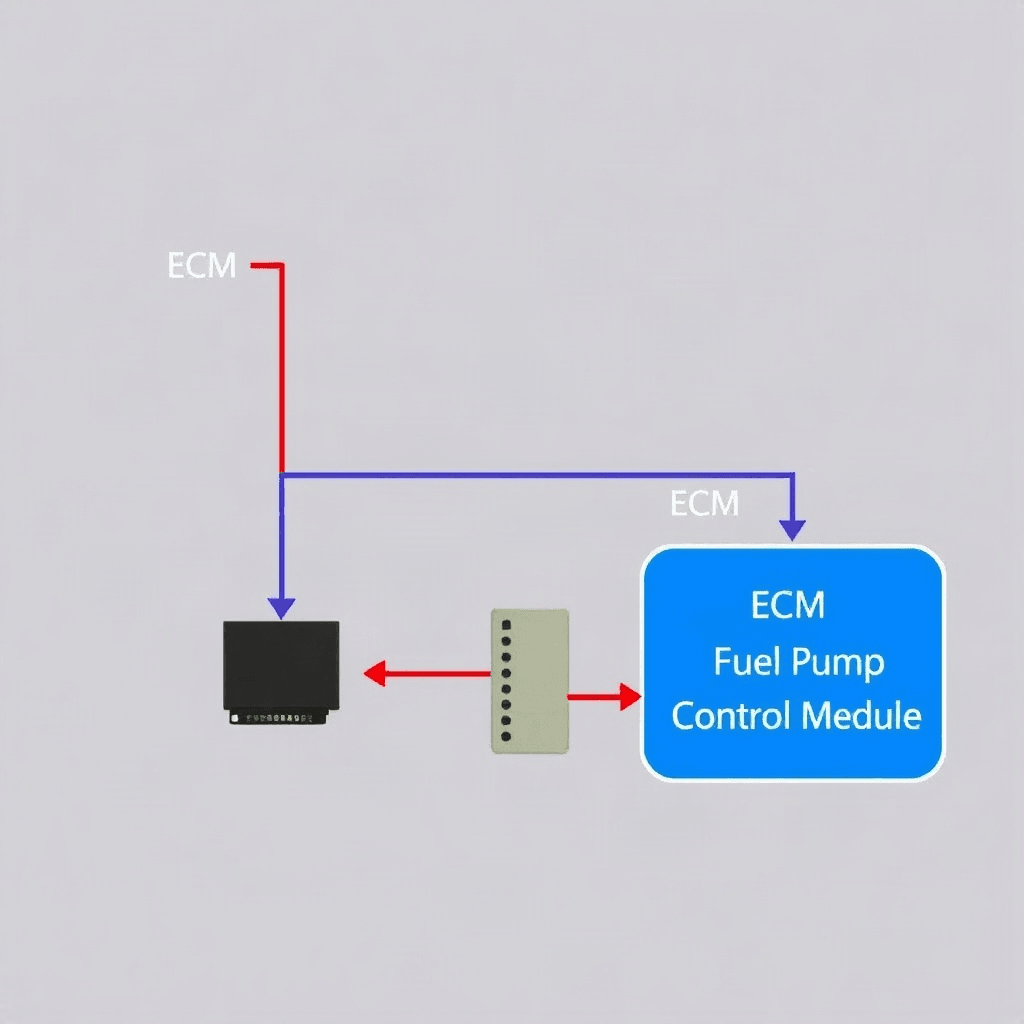
The Telematics Control Module (TCM) is a pivotal component in modern vehicles, serving as the central hub for communication between various electronic systems. Its primary function is to facilitate data exchange among different vehicle systems, enabling features such as navigation, remote diagnostics, and emergency assistance. The TCM ensures that vital information is shared across the vehicle’s network, thereby optimizing performance and enhancing user experience. When the U0192 code appears, it indicates that this critical communication link has been severed, potentially compromising the vehicle’s functionality. Understanding the TCM’s role is essential, as it underscores the importance of maintaining uninterrupted communication within the vehicle’s electronic ecosystem.
Causes of U0192 Code Activation
The activation of the U0192 code can be attributed to a variety of factors, each affecting the communication pathways within the vehicle. Common causes include faulty wiring, damaged connectors, or a malfunctioning TCM itself. Environmental factors such as moisture, corrosion, or physical impact can also disrupt the signals between the TCM and other systems. Additionally, software glitches or outdated firmware versions can lead to communication breakdowns, triggering the U0192 code. Identifying the specific cause is crucial for implementing effective corrective measures, as it allows technicians to address the root of the problem rather than merely mitigating its symptoms.
Implications of a Disrupted Communication System
A disruption in communication, as indicated by the U0192 code, can have significant implications for a vehicle’s performance and safety. The inability of systems to exchange information can lead to malfunctions in critical functionalities such as navigation, safety alerts, and remote diagnostics. These disruptions may not only affect the vehicle’s operational efficiency but also compromise the safety of its occupants by hindering features designed to prevent accidents. Moreover, unresolved communication issues can result in increased wear on other components, potentially leading to more severe mechanical failures over time. Understanding these implications is vital for automotive professionals who must ensure that vehicles operate safely and efficiently.
Diagnostic Approaches for Resolving U0192
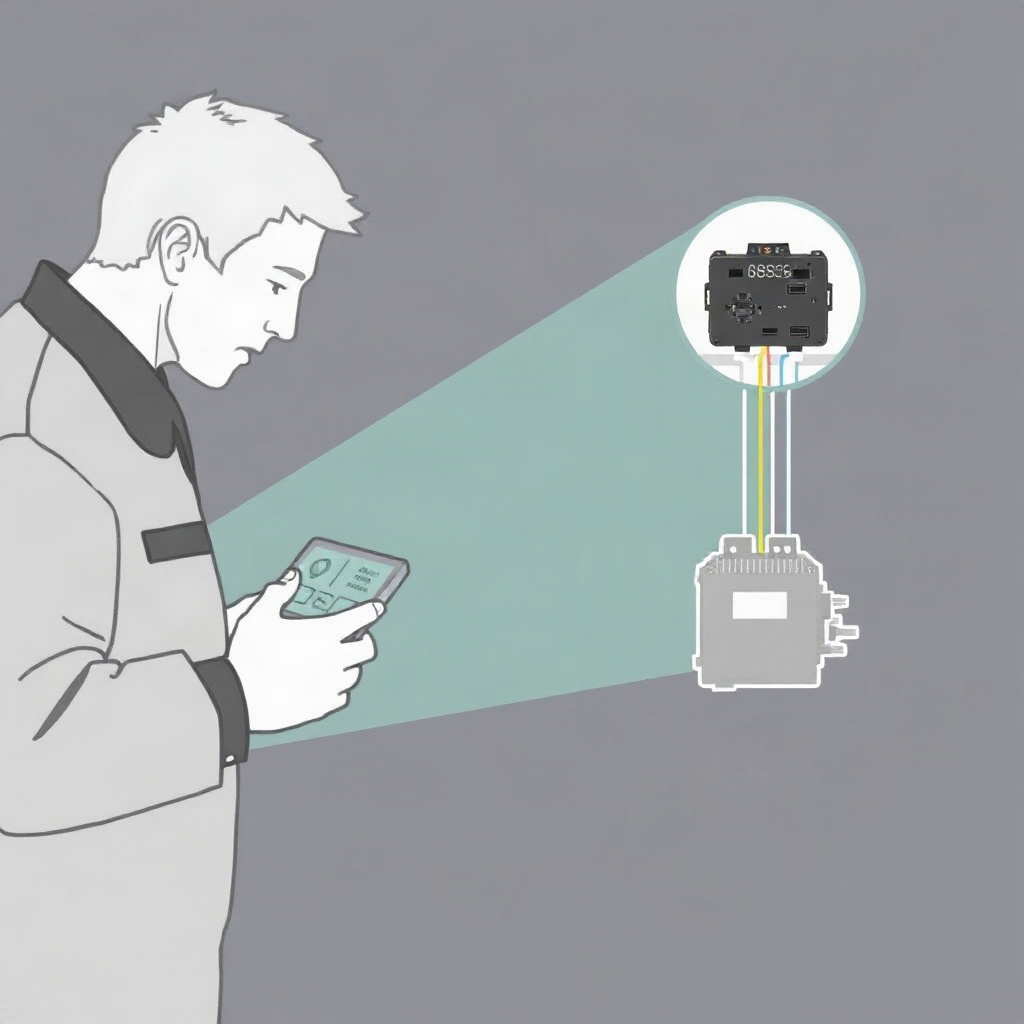
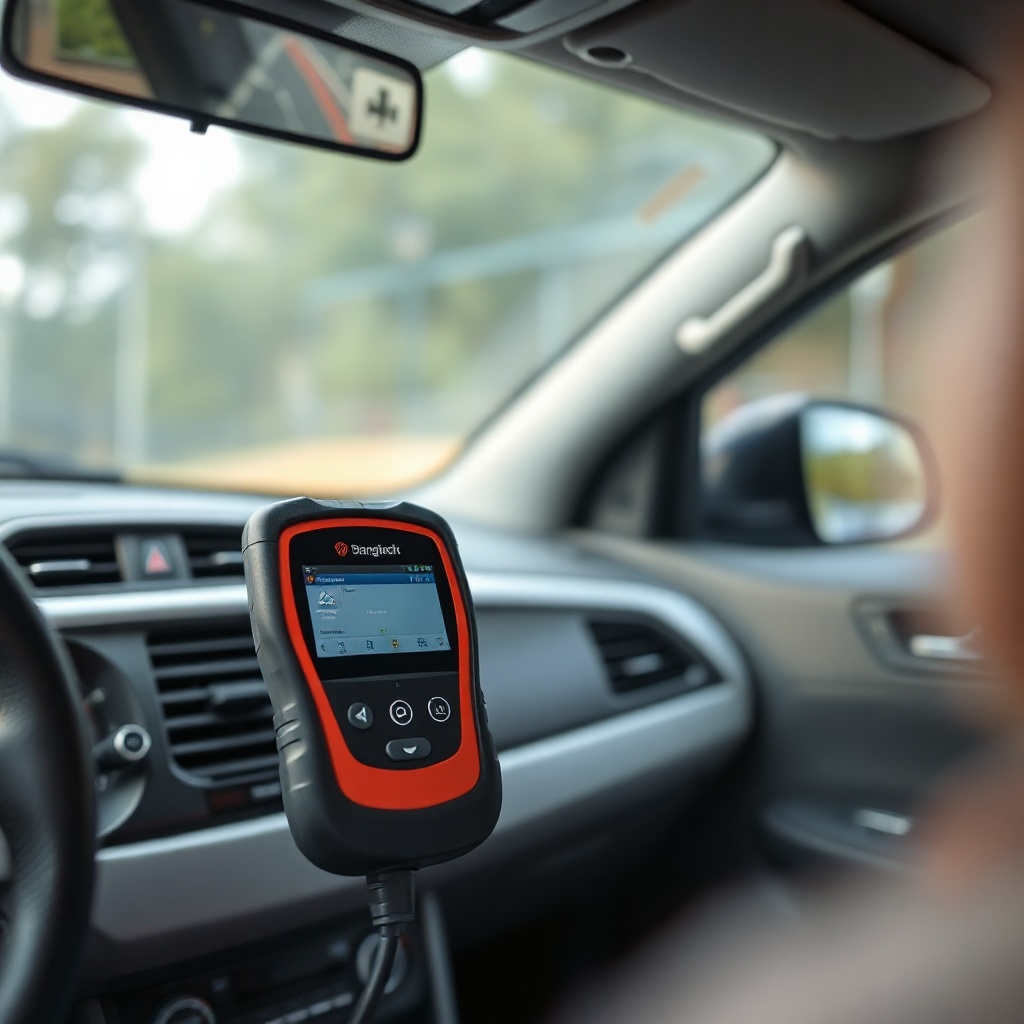
Diagnosing the U0192 code requires a systematic approach to identify and rectify the underlying communication issues. Technicians typically begin by inspecting the vehicle’s wiring and connectors for signs of damage or wear. Advanced diagnostic tools are employed to test the integrity of the TCM and ensure that it is functioning correctly. Software diagnostics may also be conducted to identify potential glitches or the need for firmware updates. By methodically addressing each potential cause, technicians can restore communication within the vehicle’s electronic network, thereby resolving the U0192 code and preventing further disruptions.
Preventative Measures and Maintenance
Preventative maintenance is key to avoiding the recurrence of the U0192 code and ensuring the longevity of the vehicle’s electronic systems. Regular inspections of wiring and connectors can help identify potential issues before they escalate into significant problems. Keeping the vehicle’s software up to date is also crucial, as manufacturers often release updates that enhance system compatibility and performance. Additionally, protecting the vehicle from environmental hazards such as moisture and extreme temperatures can reduce the risk of component failure. By implementing these preventative measures, vehicle owners and technicians can maintain optimal communication within the vehicle’s network and enhance its overall reliability.
Future Trends in Vehicle Telematics
As automotive technology continues to evolve, the role of telematics is expected to expand, integrating more advanced features and capabilities. Future trends point towards increased connectivity between vehicles and external networks, enabling new functionalities such as autonomous driving and enhanced fleet management. With these advancements, the importance of robust communication systems becomes even more pronounced, as any disruption could have far-reaching effects. The U0192 code serves as a reminder of the challenges associated with maintaining seamless communication in increasingly complex automotive environments. Staying abreast of these trends is essential for industry professionals who must adapt to the ever-changing landscape of vehicle technology.