P0106 Code: MAP Sensor Range or Performance Problem
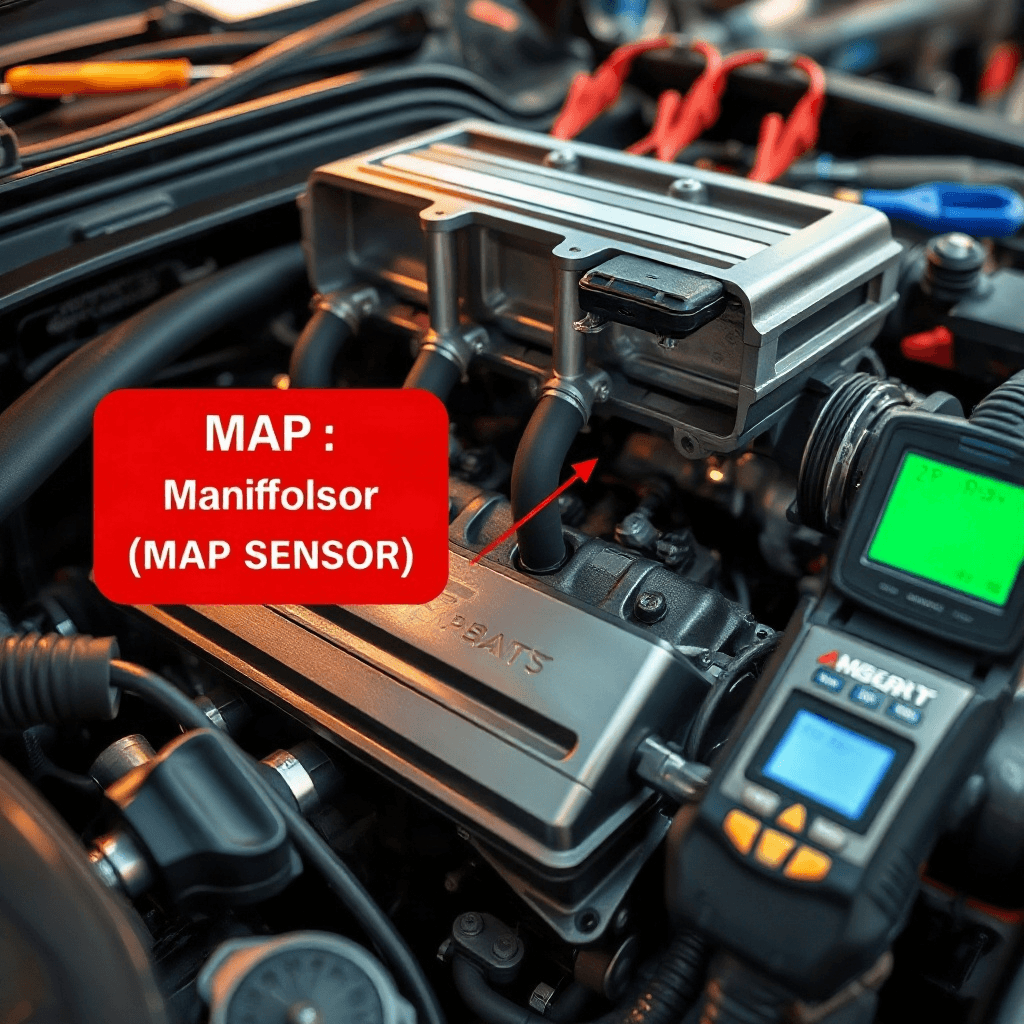
The P0106 error code is a common issue faced by vehicle owners and mechanics alike, often signaling a problem with the MAP (Manifold Absolute Pressure) sensor. This code is part of the diagnostic trouble codes (DTC) that are used to pinpoint specific issues within a vehicle’s engine system. Understanding the implications of the P0106 code is crucial for ensuring optimal vehicle performance and longevity. In this review, we will explore the intricacies of the P0106 code, its causes, symptoms, and the best approaches to diagnosis and resolution.
Understanding the Role of the MAP Sensor
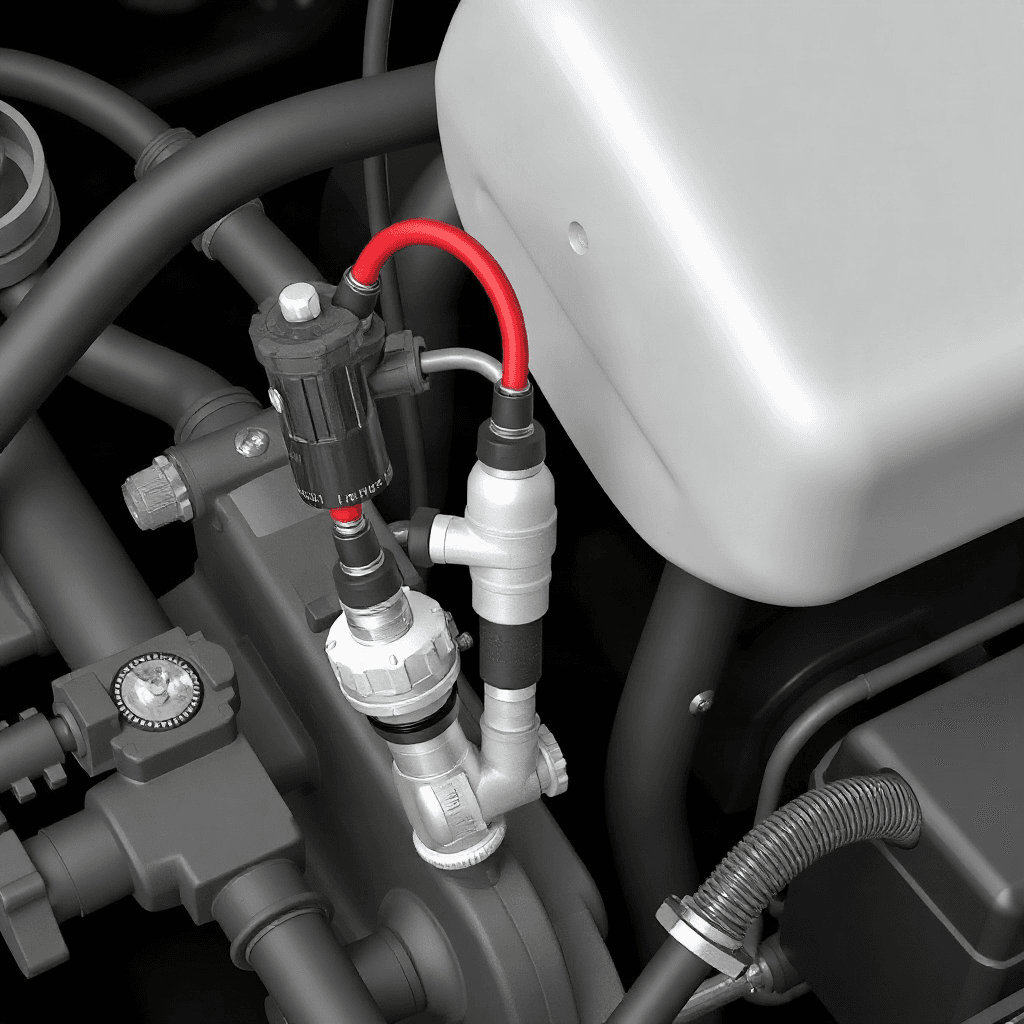
The MAP sensor plays a pivotal role in a vehicle’s engine management system. It measures the pressure within the intake manifold and provides data to the engine control unit (ECU) about the engine load. This information helps the ECU adjust the fuel injection and ignition timing for optimal engine performance. When the MAP sensor fails to function correctly, it can lead to a range of performance issues, including poor fuel economy, increased emissions, and even engine stalling. The P0106 code is triggered when the ECU detects that the MAP sensor’s output is not within the expected range or performance parameters, indicating a problem that needs immediate attention.
Common Causes of the P0106 Code
Several factors can contribute to the emergence of the P0106 error code. A faulty MAP sensor is the most straightforward cause, where the sensor itself is damaged or malfunctioning. However, it’s essential to consider other potential factors such as vacuum leaks, damaged wiring or connectors, and issues with the ECU itself. A vacuum leak can disrupt the pressure readings, leading the ECU to perceive an incorrect engine load. Similarly, damaged or corroded wiring can impair the signal transmission between the MAP sensor and the ECU, resulting in the P0106 code being logged. Understanding these causes is vital for accurately diagnosing and resolving the issue.
Symptoms Associated with a Malfunctioning MAP Sensor
The symptoms of a malfunctioning MAP sensor, and consequently the P0106 code, can vary but often include noticeable changes in vehicle performance. Drivers may experience rough idling, difficulty starting the engine, or a noticeable decrease in fuel efficiency. Additionally, the vehicle may emit more smoke than usual from the exhaust, an indication of an imbalance in fuel-air mixture. In severe cases, the engine may stall unexpectedly or perform erratically, especially during acceleration. These symptoms are not only inconvenient but can also pose safety risks if left unaddressed, highlighting the importance of timely diagnosis and repair.
Diagnosing the P0106 Code
Diagnosing the P0106 code requires a systematic approach to identify the root cause of the issue. Mechanics typically start with a visual inspection of the MAP sensor and its associated wiring and connectors. This inspection can reveal visible damage or disconnections that might be causing the problem. If no immediate issues are found, further diagnostic tools such as a multimeter or an OBD-II scanner may be employed to test the sensor’s output and communication with the ECU. These diagnostic steps are crucial in confirming whether the MAP sensor itself is faulty or if other components in the system are contributing to the error code.
Effective Solutions and Repairs
Once the source of the P0106 code is identified, implementing the appropriate solution is critical for restoring vehicle performance. If the MAP sensor is found to be faulty, replacing it with a high-quality, compatible part is often the best course of action. In cases where wiring or connectors are damaged, repair or replacement of these components may resolve the problem. Addressing any vacuum leaks by repairing or replacing affected hoses is also essential. After repairs, it is advisable to clear the error codes and test drive the vehicle to ensure the issue is fully resolved. Regular maintenance and periodic checks can prevent future occurrences of the P0106 code.
Preventative Measures for MAP Sensor Longevity
To prevent the recurrence of the P0106 code and ensure the long-term functionality of the MAP sensor, regular maintenance and care are essential. Routine inspections of the engine’s vacuum system and electrical connections can identify potential issues before they escalate into significant problems. Additionally, using high-quality fuel and performing regular oil changes can reduce the risk of contaminants affecting the sensor’s performance. Staying vigilant and addressing minor issues promptly can enhance the overall reliability of the vehicle and prevent costly repairs down the road. By understanding the importance of the MAP sensor in engine management, vehicle owners can take proactive steps to maintain their vehicle’s performance.