GM P0303: How to Isolate a Cylinder 3 Misfire Without Parts Swapping
When faced with a misfiring cylinder, most automobile technicians might immediately think about swapping parts to isolate the issue. However, a more systematic approach can save both time and resources. For those contending with a GM P0303 error code, which indicates a misfire in cylinder 3, understanding the root cause without resorting to parts swapping is key. This guide will walk you through the steps to diagnose the problem effectively, using a blend of technical acumen and methodical investigation. From understanding the intricacies of engine performance to leveraging diagnostic tools, they will find that precision and patience often yield the best results.
Understanding the Cylinder Misfire
Cylinder misfires can have a multitude of causes, from faulty spark plugs and ignition coils to vacuum leaks and fuel delivery issues. When cylinder 3 misfires, indicated by the P0303 code, they should first consider the fundamental role that cylinders play in engine performance. A misfire disrupts the balance of power, leading to reduced efficiency and potential damage over time. Understanding these dynamics allows them to pinpoint potential problems more effectively. It’s crucial to delve deeply into how misfires affect the vehicle’s control systems, as this knowledge informs the diagnostic process. They should be aware that ignoring a misfire can exacerbate engine issues, leading to costly repairs.
Initial Diagnostic Steps
Before diving into complex diagnostics, they should perform a series of initial checks. These preliminary steps often reveal straightforward issues that can be resolved with minimal intervention. First, they need to ensure that the engine is at operating temperature, as cold engines can behave differently. Next, they should inspect the spark plug in cylinder 3 for wear or fouling. By examining the plug’s condition, they can determine if it’s contributing to the misfire. Additionally, checking for error codes using an OBD-II scanner provides valuable insights into the engine’s performance and any other underlying issues. This initial diagnostic phase sets the stage for more targeted investigations.
Employing Advanced Diagnostic Tools
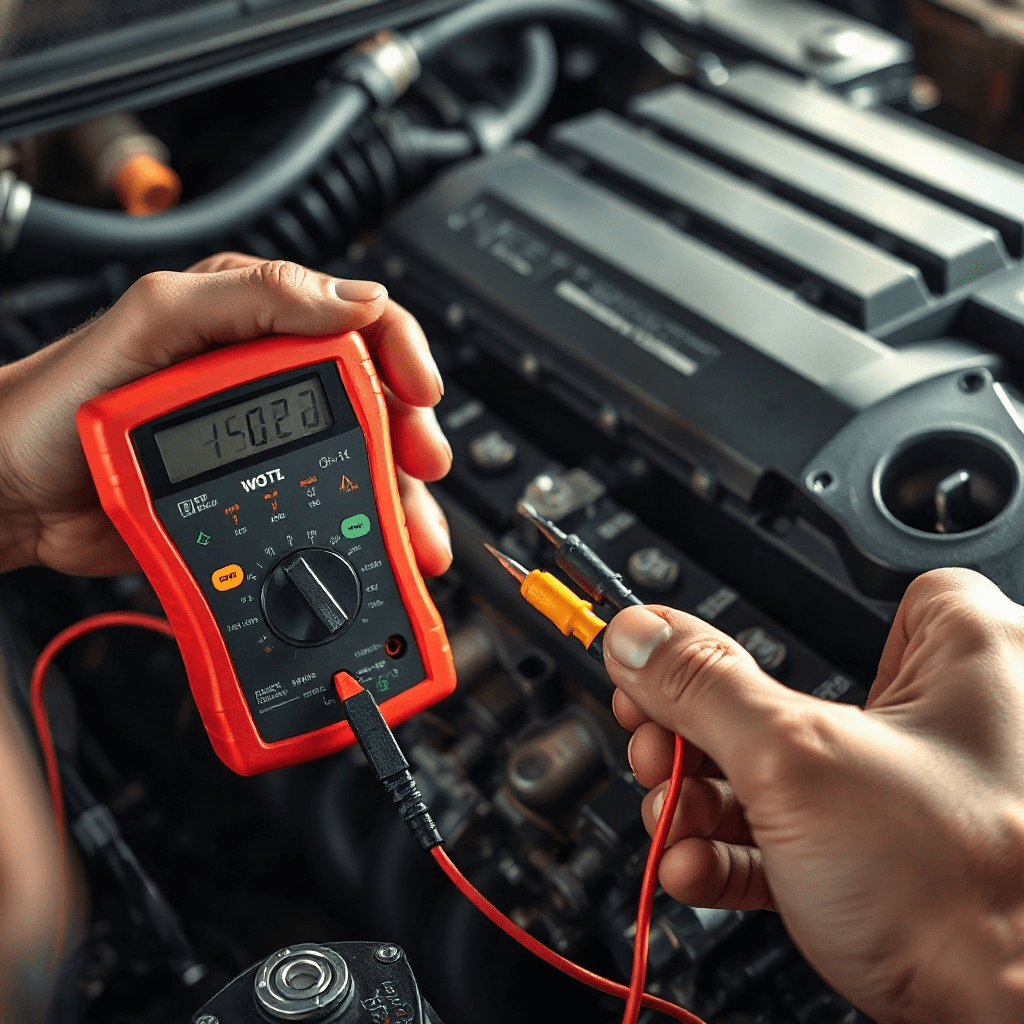
For those seeking a deeper understanding of the P0303 code, advanced diagnostic tools are indispensable. A digital multimeter can be used to test the resistance of the ignition coil, ensuring it falls within the manufacturer’s specifications. Moreover, a compression tester allows them to assess the mechanical integrity of cylinder 3, identifying any potential compression issues that might cause misfiring. Vacuum gauges also play a critical role in diagnosing intake manifold leaks, another common culprit. By employing these tools, they can systematically eliminate potential causes, narrowing down the list of suspects with precision.
Inspecting the Fuel System
Fuel delivery problems are another leading cause of cylinder misfires. They should inspect the fuel injector for cylinder 3, ensuring it’s delivering fuel effectively. A clogged or malfunctioning injector can disrupt the air-fuel mixture, leading to inefficient combustion. By using a fuel pressure gauge, they can verify that the fuel system maintains adequate pressure, a key factor in engine performance. Additionally, cleaning or replacing the fuel filter might resolve issues related to fuel flow. Through meticulous inspection of the fuel system, they can address one of the most common and fixable sources of misfire.
Evaluating the Ignition System
The ignition system plays a pivotal role in engine performance, and it’s often at the heart of misfire issues. They should scrutinize the ignition coil for cylinder 3, checking for signs of wear or damage. Using an oscilloscope, they can monitor the coil’s waveform, ensuring it’s producing the necessary voltage. Additionally, they should inspect the spark plug wires for damage or corrosion. A weak or inconsistent spark leads to incomplete combustion, which can manifest as a misfire. By systematically evaluating the ignition components, they can often resolve misfire issues without resorting to part swaps.
Final Troubleshooting Steps
Once they’ve exhausted the common causes of a misfire, it’s time for a final round of troubleshooting. They should revisit the vehicle’s error codes, looking for any new or persistent issues. It’s also crucial to consider environmental factors, such as moisture or temperature, which might influence engine performance. By conducting a thorough road test under varied conditions, they can confirm whether the misfire persists or if their interventions have resolved the issue. At this stage, collaborating with other experts or consulting technical manuals might provide additional insights, ensuring they leave no stone unturned in their diagnostic quest.