Brake Warning Light On: Causes & What to Do
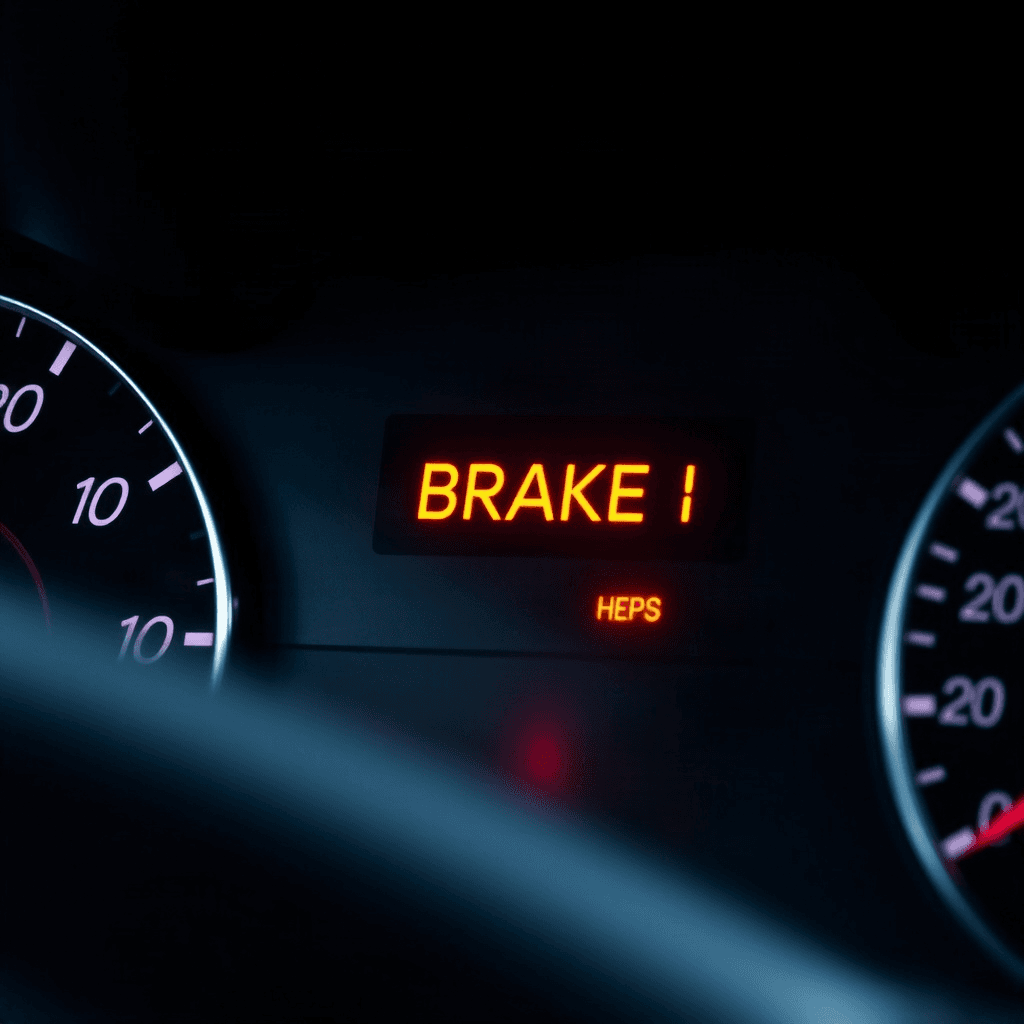
Have you ever been driving and suddenly noticed the brake warning light on your dashboard? It can be a nerve-wracking experience, but understanding the possible causes and what to do next can help alleviate some of the stress. In this blog post, we will explore the reasons behind the brake warning light coming on and provide you with some tips on how to address the issue.
Common Causes of Brake Warning Light
The brake warning light can be triggered by a variety of issues, ranging from simple to more serious. One common cause is low brake fluid levels, which can indicate a leak in the brake system. Another possible reason is worn brake pads or rotors, which may need to be replaced. Additionally, a malfunctioning brake sensor or electrical issue could also be to blame for the warning light.
Checking and Refilling Brake Fluid
If the brake warning light comes on, the first step is to check the brake fluid level. Locate the brake fluid reservoir under the hood of your car and ensure that the level is within the recommended range. If it is low, refill the reservoir with the appropriate type of brake fluid. Be sure to consult your vehicle’s manual for the correct specifications.
Inspecting Brake Pads and Rotors
Worn brake pads or rotors can also trigger the brake warning light. To inspect these components, you may need to remove the wheels of your car. Look for signs of wear or damage on the brake pads and rotors. If they appear to be worn down, it is important to replace them as soon as possible to ensure safe braking performance.
Addressing Electrical Issues
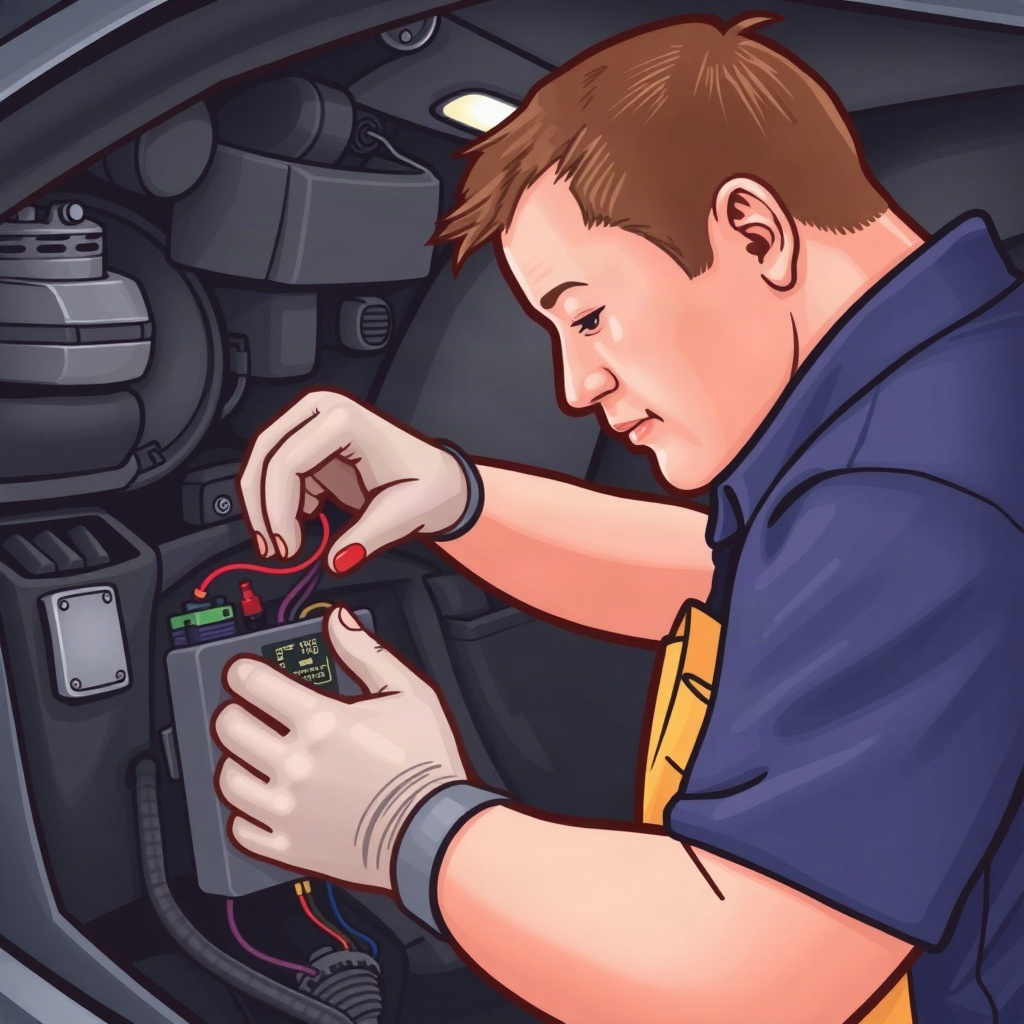
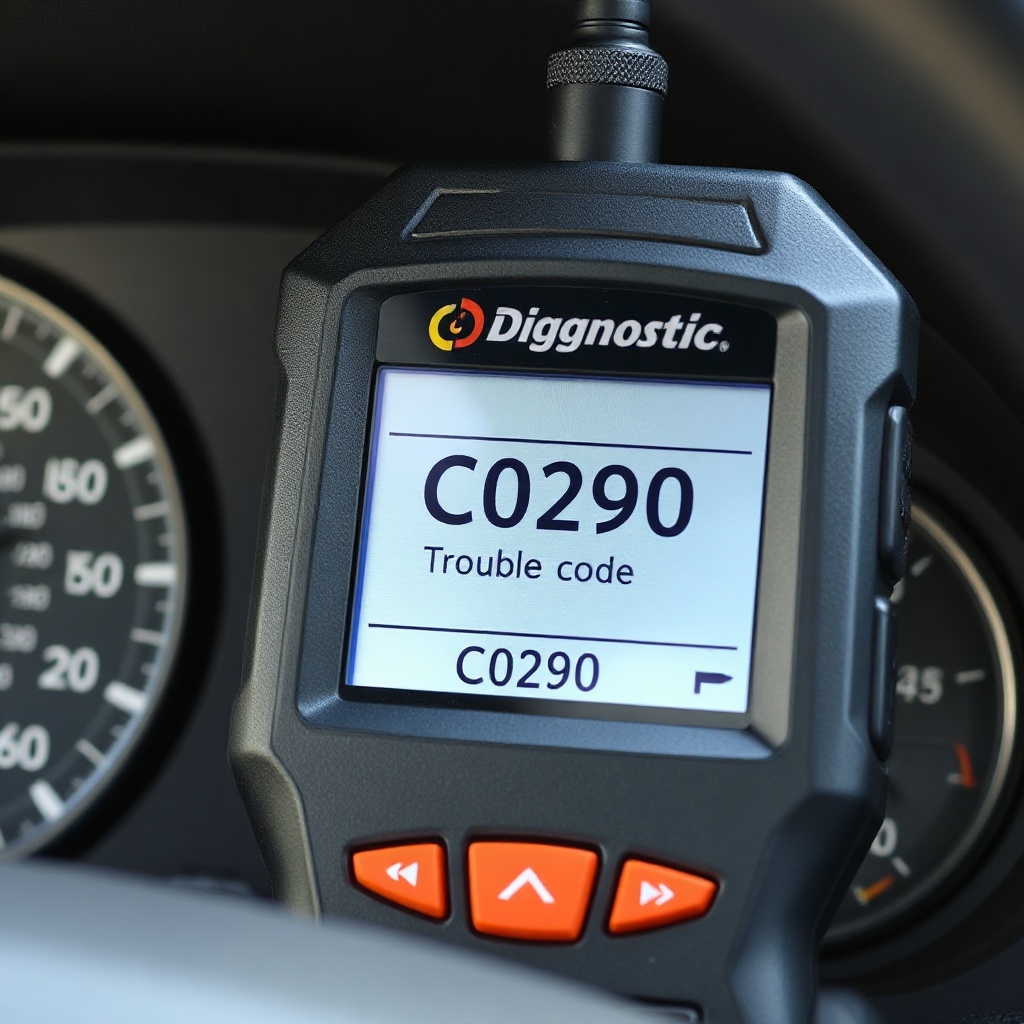
In some cases, the brake warning light may be illuminated due to an electrical problem. This could be a faulty brake sensor or a wiring issue. If you suspect an electrical issue, it is recommended to have a professional mechanic inspect and diagnose the problem. Trying to fix electrical issues on your own can be complicated and may lead to further damage.
Seeking Professional Help
If you have checked the brake fluid, inspected the brake pads and rotors, and ruled out any electrical issues, but the brake warning light is still on, it is crucial to seek professional help. A certified mechanic will be able to accurately diagnose the problem and recommend the appropriate course of action to resolve it.
Conclusion
The brake warning light should never be ignored, as it is a crucial safety feature that alerts drivers to potential issues with their braking system. By understanding the common causes of the brake warning light coming on and knowing what steps to take, you can ensure the safety and reliability of your vehicle. If you ever encounter the brake warning light, don’t hesitate to address the issue promptly to prevent any further complications.