Car Will Not Start When Hot: Heat-Related Causes to Investigate
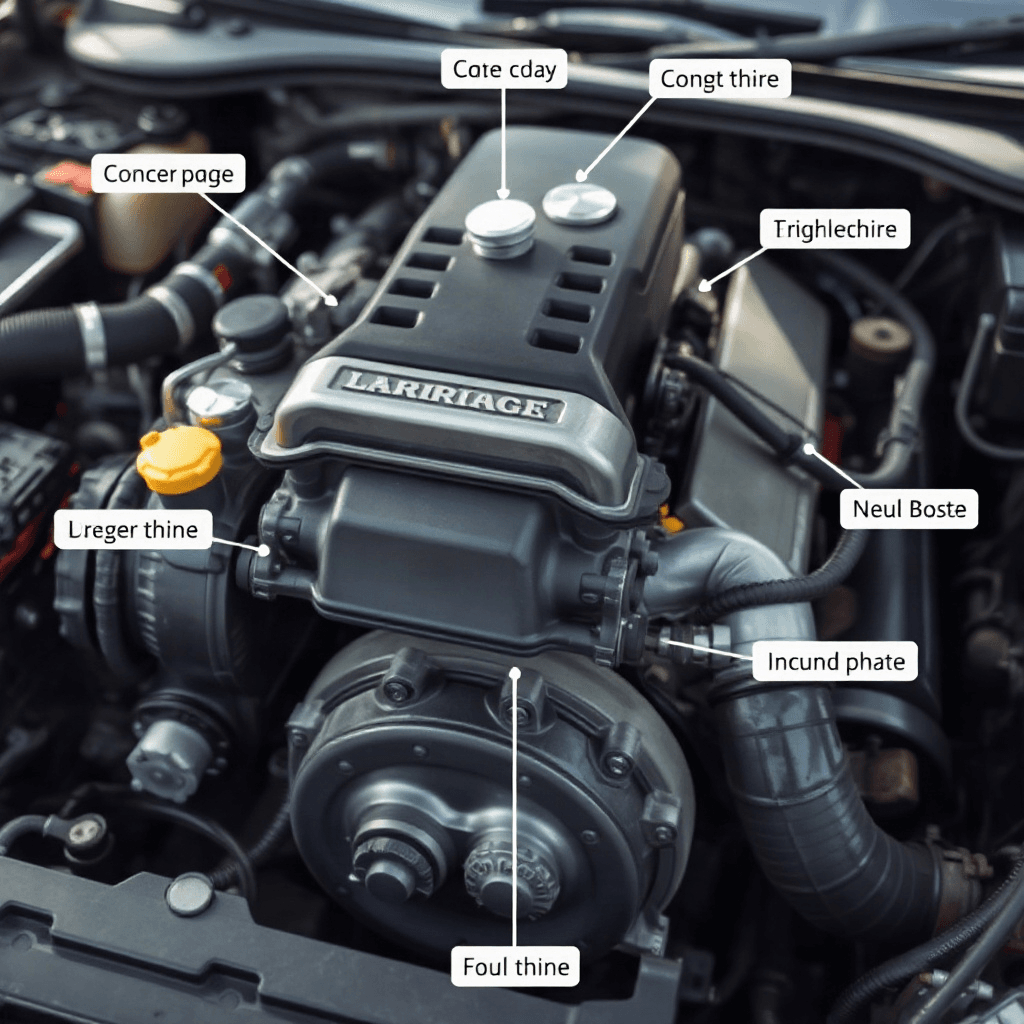
Have you ever experienced the frustration of your car not starting when it’s hot outside? This common issue can be caused by a variety of heat-related factors that are worth investigating. In this review, we will explore the potential reasons why your car may not start in hot conditions, providing you with valuable insights to troubleshoot and resolve the issue effectively.
Heat-related Causes to Investigate
One of the primary reasons why your car may refuse to start in hot weather is a faulty battery. High temperatures can accelerate the chemical reactions inside the battery, leading to a decrease in its overall performance. As a result, your car may struggle to start due to a lack of sufficient power from the battery. Checking the battery’s health and charge level is crucial in determining if it is the root cause of your starting issues.
Engine Overheating and Vapor Lock
Another common issue that can prevent your car from starting in hot weather is engine overheating. When the engine reaches a critical temperature, it can lead to vapor lock, a condition where the fuel in the fuel lines vaporizes before reaching the engine. This can disrupt the fuel delivery system and prevent the engine from starting. Keeping your engine cool and ensuring proper ventilation can help prevent overheating and vapor lock.
Malfunctioning Starter Motor
A malfunctioning starter motor can also be a culprit behind your car’s hot starting issues. High temperatures can exacerbate existing problems with the starter motor, such as worn-out brushes or electrical connections. If your car makes a clicking noise when you try to start it in hot weather, it could indicate a faulty starter motor. Inspecting the starter motor and its components can help diagnose and resolve the problem effectively.
Fuel Evaporation and Contamination
Hot weather can also contribute to fuel evaporation and contamination, affecting your car’s starting performance. Evaporation of fuel in the fuel lines or fuel tank can lead to a lean fuel-air mixture, making it difficult for the engine to start. Additionally, contaminants in the fuel system, such as dirt or water, can further hinder the combustion process. Regularly checking and maintaining your fuel system can help prevent these issues from occurring.
Electrical System Issues
The electrical system of your car can also be susceptible to heat-related problems, impacting its starting capability. High temperatures can cause electrical components, such as the ignition coil or spark plugs, to malfunction or fail. These components are essential for igniting the fuel-air mixture in the engine, and any issues with them can prevent the engine from starting. Conducting a thorough inspection of the electrical system can identify and rectify any potential issues.
Conclusion
In conclusion, a car not starting in hot conditions can be attributed to various heat-related causes that require careful investigation. By understanding the potential factors behind this issue, you can effectively diagnose and address the root cause, ensuring that your car starts reliably in all weather conditions. Remember to consult a professional mechanic if you encounter persistent starting problems, as they can provide expert guidance and assistance in resolving the issue.