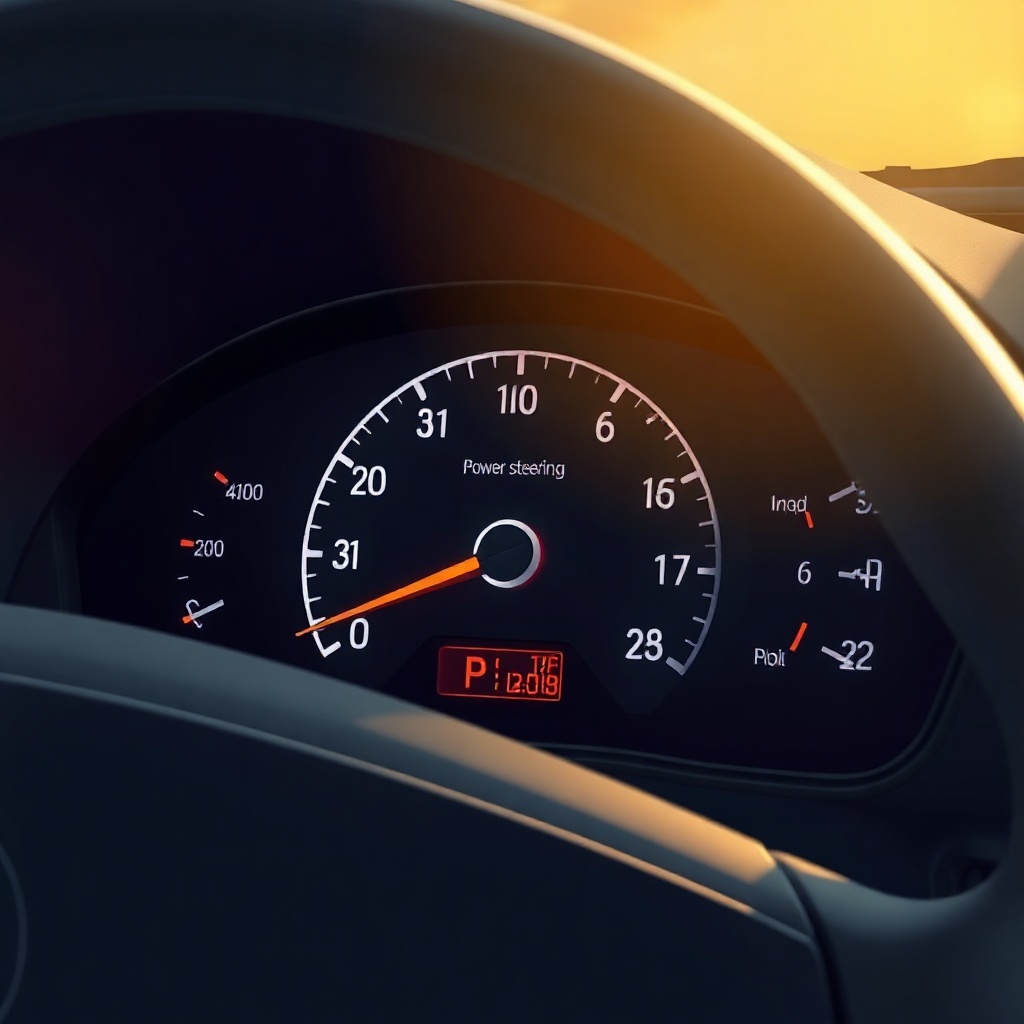
How to Fix Coolant Temperature Warning Light
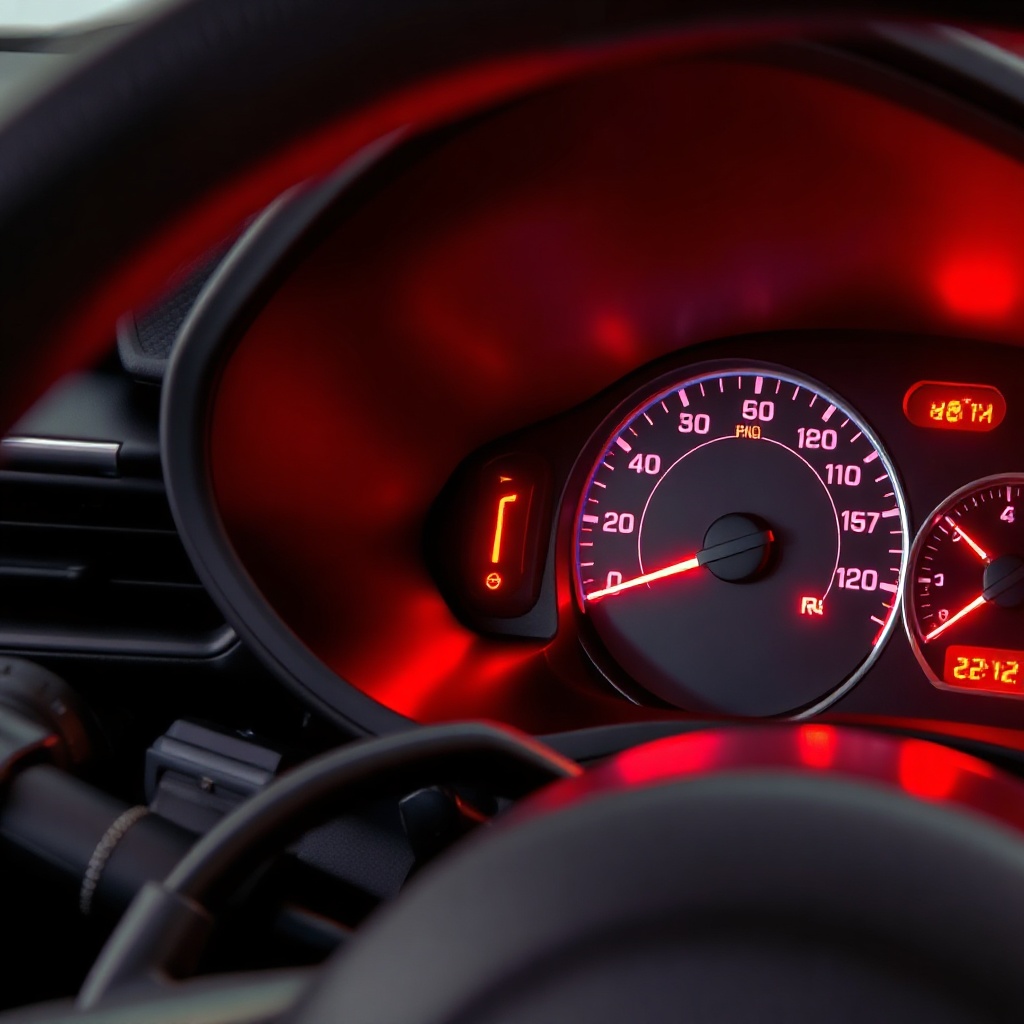
As you’re cruising down the highway, enjoying the breeze and the open road, suddenly, your car’s coolant temperature warning light flashes on the dashboard. Panic sets in as you try to figure out what could be wrong. Is it a minor issue or a major problem? How can you fix it quickly and get back on the road safely? In this expert guide, we’ll explore the steps you can take to address the coolant temperature warning light and ensure your vehicle stays in top condition.
Understanding the Coolant Temperature Warning Light
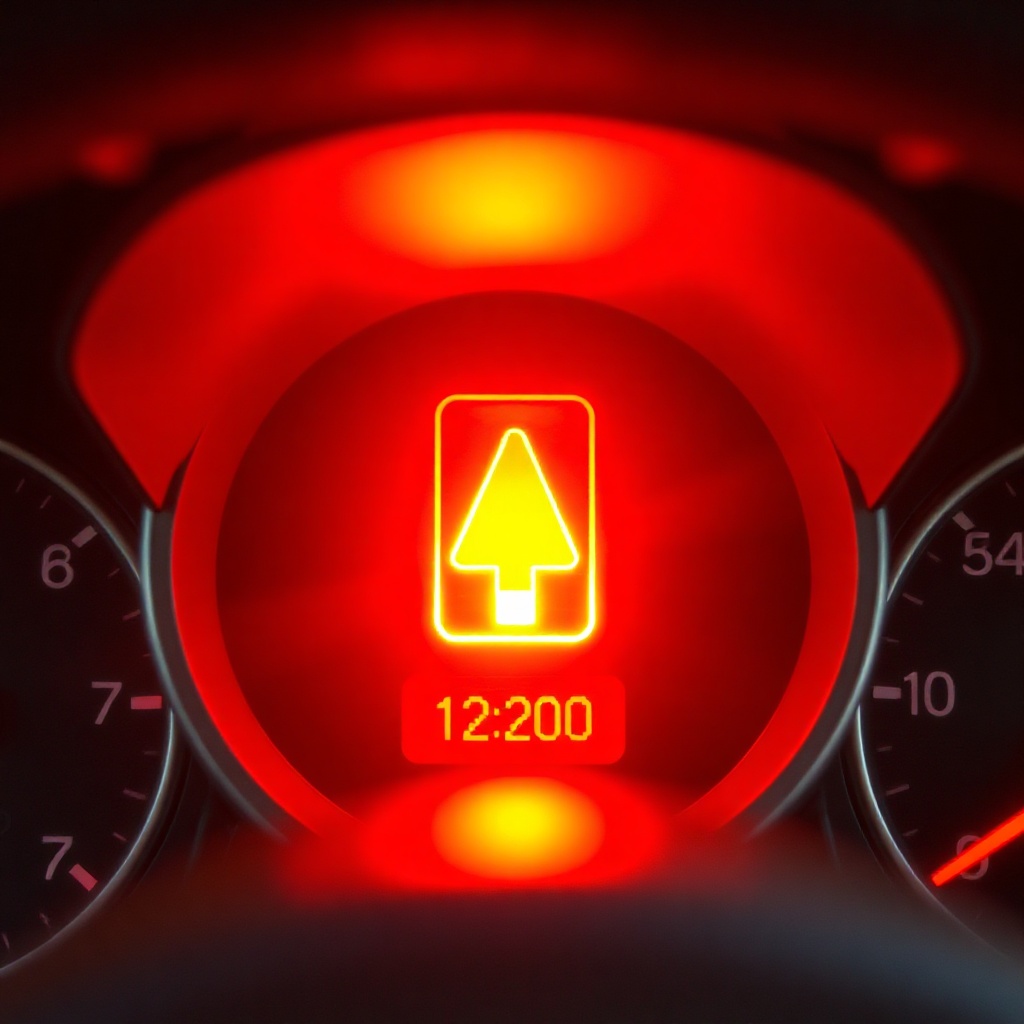
The coolant temperature warning light is a crucial indicator that alerts you to potential issues with your car’s cooling system. When this light illuminates, it means that the engine is overheating, which can lead to serious damage if not addressed promptly. Ignoring this warning can result in engine failure and costly repairs. Therefore, it’s essential to understand the root cause of the problem and take immediate action.
Checking the Coolant Level
One of the first steps in addressing the coolant temperature warning light is to check the coolant level in your vehicle. Low coolant levels can cause the engine to overheat, triggering the warning light. Locate the coolant reservoir under the hood and ensure that the level is within the recommended range. If the coolant is low, add the appropriate type of coolant to bring it to the correct level.
Inspecting for Leaks
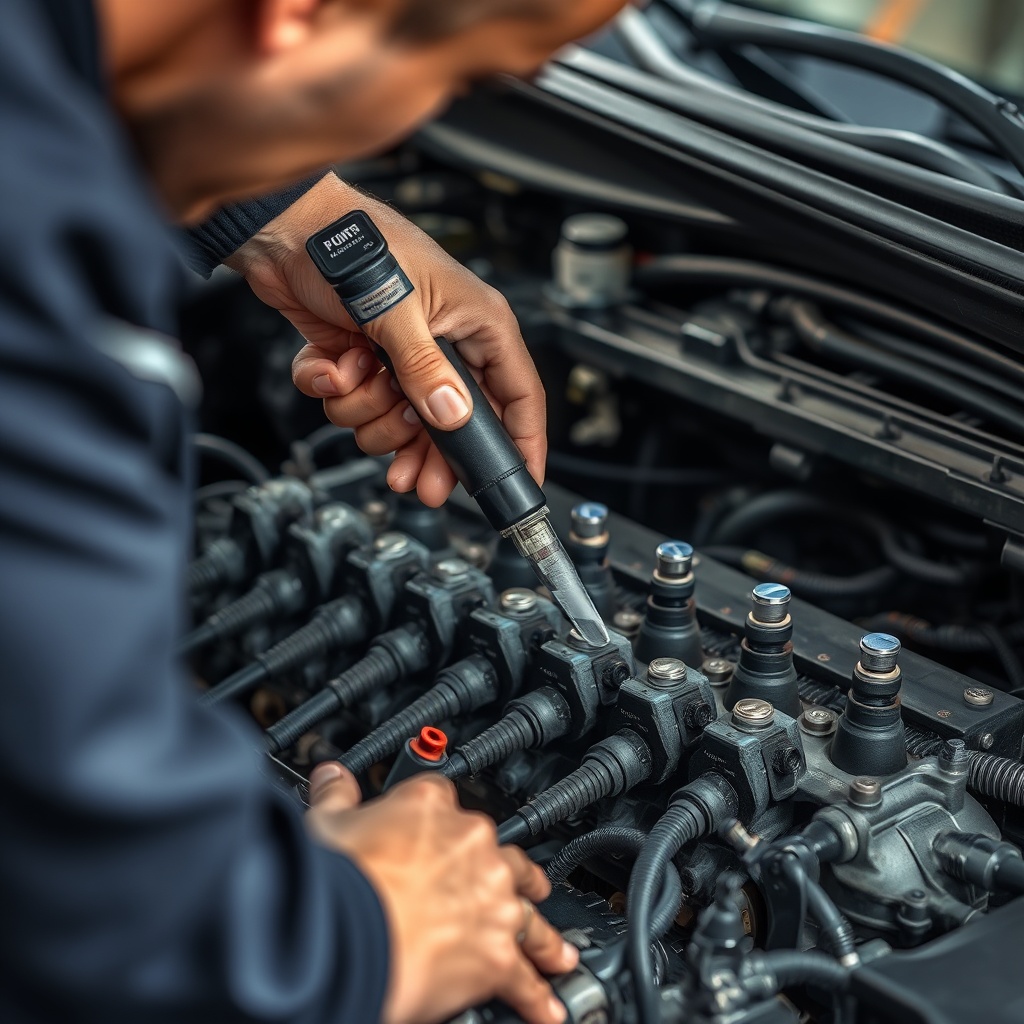
Leaks in the cooling system can also lead to a low coolant level and trigger the warning light. Inspect the hoses, radiator, water pump, and other components of the cooling system for any signs of leaks. Look for puddles of coolant under the car or visible drips coming from the engine. If you spot a leak, have it repaired as soon as possible to prevent further damage to the engine.
Checking the Thermostat
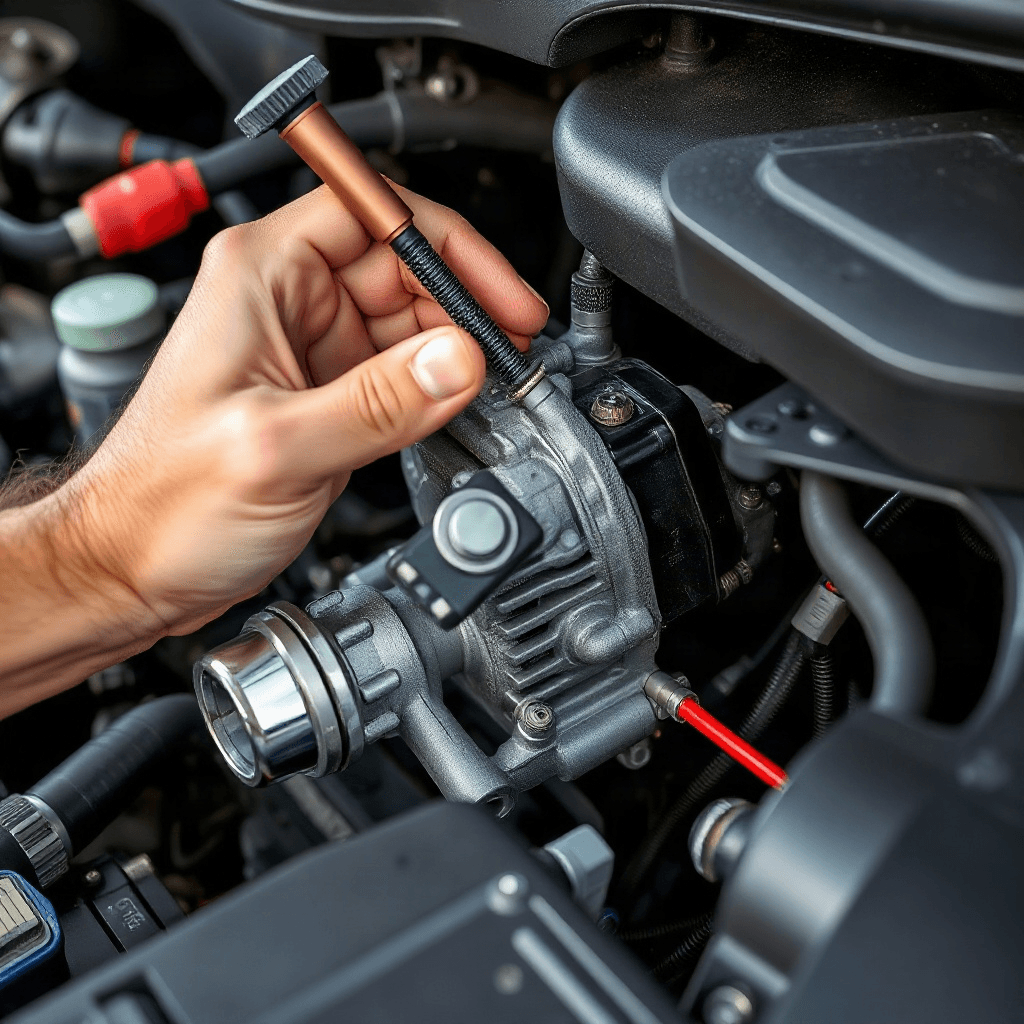
A faulty thermostat can cause the engine to overheat and trigger the coolant temperature warning light. The thermostat regulates the flow of coolant through the engine, so if it’s stuck closed or malfunctioning, the engine may not receive an adequate amount of coolant to stay cool. Have the thermostat tested and replaced if necessary to ensure proper engine cooling.
Flushing the Cooling System
Over time, sediment, rust, and debris can accumulate in the cooling system, hindering its ability to regulate engine temperature effectively. Flushing the cooling system removes these contaminants and helps restore proper coolant flow. Consider flushing the system and replacing the coolant at regular intervals to prevent overheating issues and maintain optimal engine performance.
Seeking Professional Help
If you’ve checked the coolant level, inspected for leaks, tested the thermostat, and flushed the cooling system, but the coolant temperature warning light continues to illuminate, it may be time to seek professional help. A qualified mechanic can diagnose the underlying issue with your car’s cooling system and recommend the necessary repairs to resolve the problem effectively.