Driver Window Switch Not Working: Diagnosis Guide
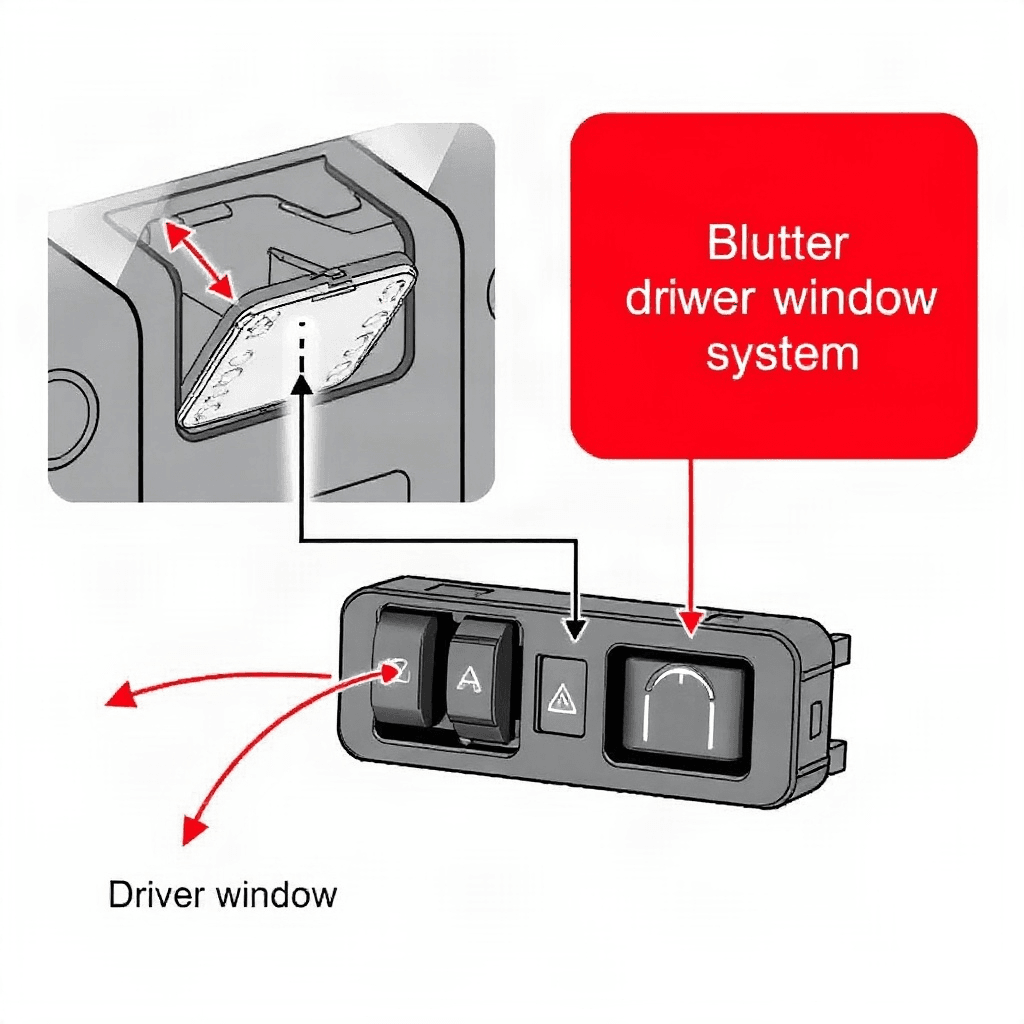
Car window switches are essential components of a vehicle’s power window system, allowing the driver to control the movement of the windows with ease. However, when the driver window switch stops working, it can be frustrating and inconvenient. In this article, we will provide a comprehensive guide on diagnosing and troubleshooting issues with a non-working driver window switch.
Understanding the Driver Window Switch
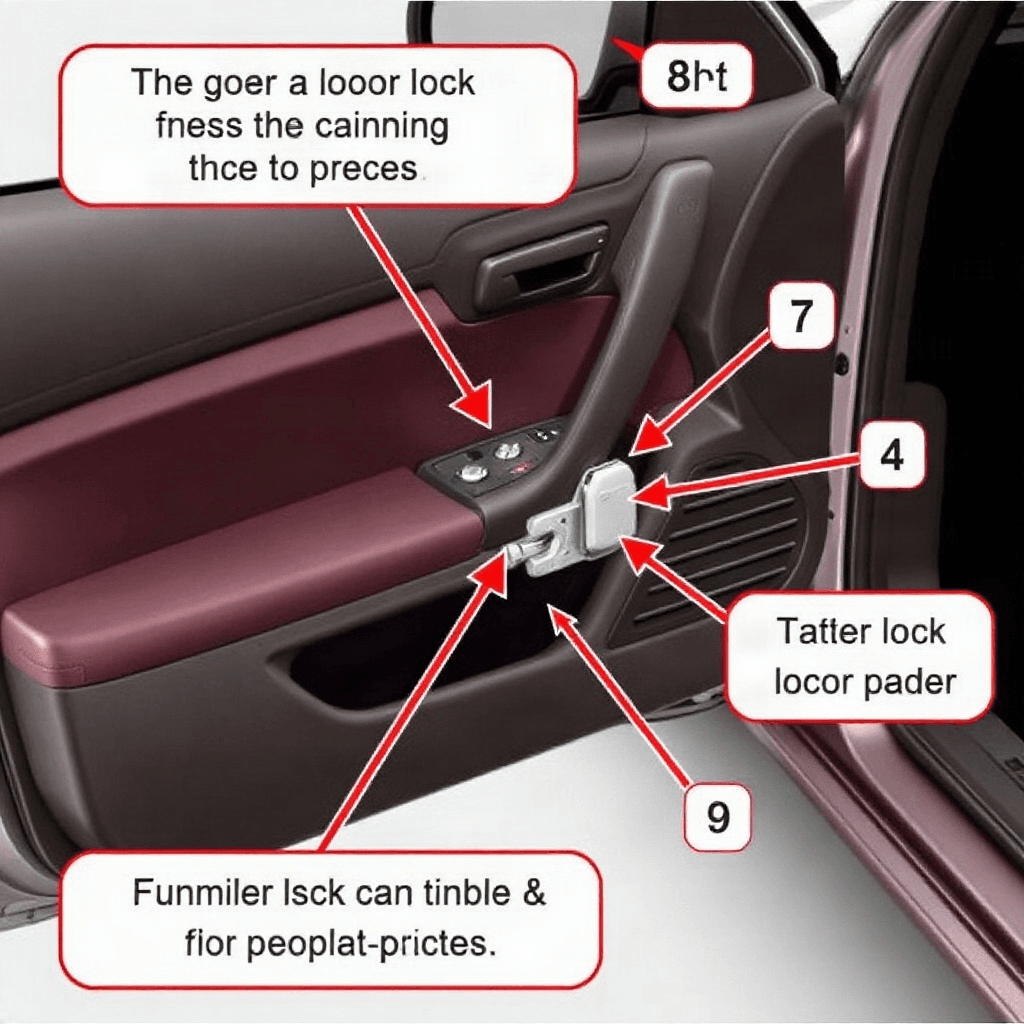
The driver window switch is typically located on the driver side door panel and is used to control the movement of the driver side window. It is connected to the power window motor and regulator, allowing the driver to raise or lower the window with a simple press of a button. Understanding how the switch functions is crucial in diagnosing any issues that may arise.
Common Symptoms of a Faulty Driver Window Switch
When the driver window switch is not working properly, there are several common symptoms that may indicate a problem. These include the window not responding to the switch inputs, only moving in one direction, or making unusual noises during operation. Recognizing these symptoms early on can help prevent further damage to the power window system.
Diagnostic Steps for a Non-Working Driver Window Switch
In order to diagnose the issue with a non-working driver window switch, a series of diagnostic steps can be followed. These steps include checking the fuse, testing the switch for continuity, inspecting the wiring harness for damage, and verifying the power supply to the switch. By systematically going through these steps, the root cause of the problem can be identified.
Testing the Driver Window Switch for Continuity
One of the key diagnostic tests for a non-working driver window switch is testing for continuity. This involves using a multimeter to check if there is a complete electrical circuit when the switch is activated. By testing each terminal of the switch for continuity, any faulty connections or internal damage can be detected.
Inspecting the Wiring Harness for Damage
Another important step in diagnosing a non-working driver window switch is inspecting the wiring harness for any signs of damage. Frayed wires, corroded connections, or loose terminals can all cause issues with the switch’s functionality. By visually inspecting the wiring harness and performing a continuity test, any damaged components can be identified and replaced.
Verifying Power Supply to the Driver Window Switch
Lastly, it is crucial to verify that there is a proper power supply to the driver window switch. A lack of power or a faulty connection can prevent the switch from functioning correctly. By using a test light or multimeter to check for voltage at the switch terminals, any power supply issues can be addressed and resolved.