How to Read Freeze-Frame Data Before Clearing a Check Engine Code
As professional content editor and experienced journalist, I will create the following article.
Understanding Freeze-Frame Data Analysis for Check Engine Codes
When your car’s check engine light comes on, it can be a stressful experience. However, before you rush to clear the code, it’s important to understand freeze-frame data and how to interpret it. Freeze-frame data is a snapshot of your vehicle’s operating conditions at the time the check engine light was triggered. By reading this data, you can gain valuable insights into what may have caused the issue.
Accessing Freeze-Frame Data
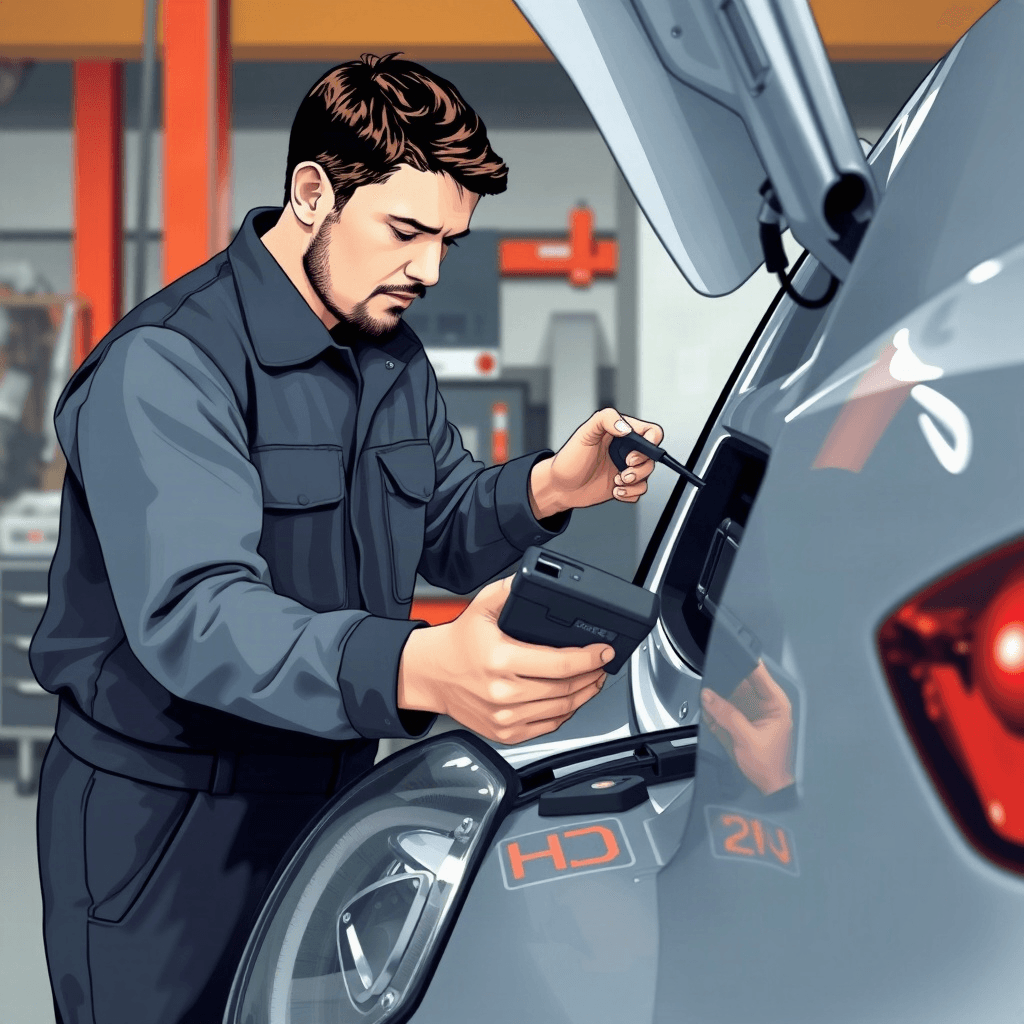
To access freeze-frame data, you will need an OBD-II scanner. This tool plugs into your car’s onboard diagnostic port and retrieves information stored in the vehicle’s computer system. Once connected, the scanner will display the freeze-frame data along with the specific trouble code that triggered the check engine light. It’s essential to note down both the freeze-frame data and the trouble code for further analysis.
Analyzing Freeze-Frame Data
Analyzing freeze-frame data requires a keen eye for detail. Look for parameters such as engine load, coolant temperature, vehicle speed, and throttle position. These values can give you clues about what may have caused the check engine light to come on. For example, if the coolant temperature was unusually high, it could indicate a problem with the cooling system. By carefully examining the freeze-frame data, you can pinpoint the potential issue with your vehicle.
Understanding Diagnostic Trouble Codes
In addition to freeze-frame data, diagnostic trouble codes (DTCs) play a crucial role in diagnosing engine issues. Each DTC corresponds to a specific problem area in the vehicle, such as a misfire, oxygen sensor failure, or catalytic converter issue. By cross-referencing the freeze-frame data with the DTC, you can narrow down the possible causes of the check engine light. This targeted approach saves time and ensures an accurate diagnosis.
Interpreting Oxygen Sensor Readings
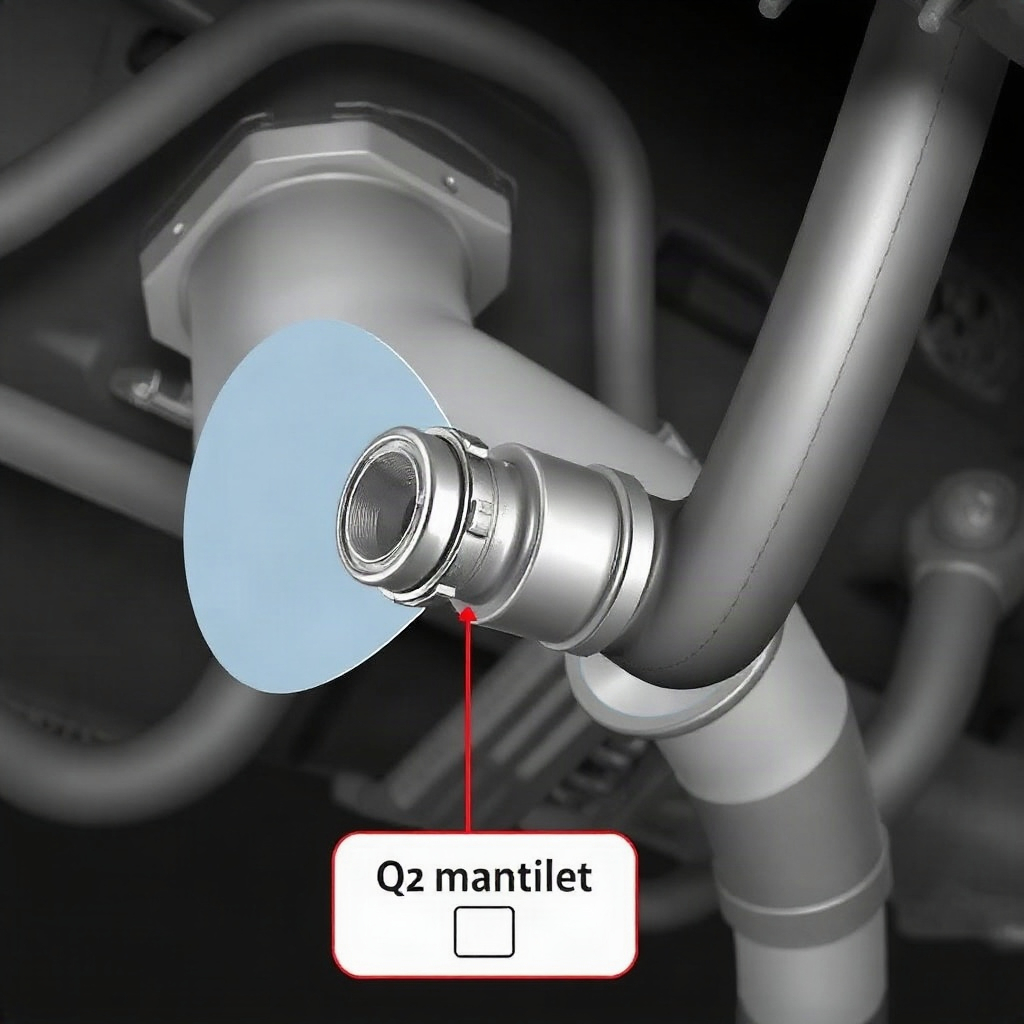
Oxygen sensors are vital components in your vehicle’s emission control system. By analyzing the oxygen sensor readings in the freeze-frame data, you can determine if the engine is running too rich or too lean. A malfunctioning oxygen sensor can lead to decreased fuel efficiency and increased emissions. Understanding these readings can help you address potential problems before they escalate.
Clearing the Check Engine Code
Once you have analyzed the freeze-frame data and identified the root cause of the issue, you can proceed to clear the check engine code. However, it’s crucial to address the underlying problem first to prevent the light from coming back on. After fixing the issue, use the OBD-II scanner to clear the code and reset the check engine light. Make sure to drive your vehicle for a while to ensure the problem doesn’t recur.