How to Find an Intake Vacuum Leak with a Smoke Test
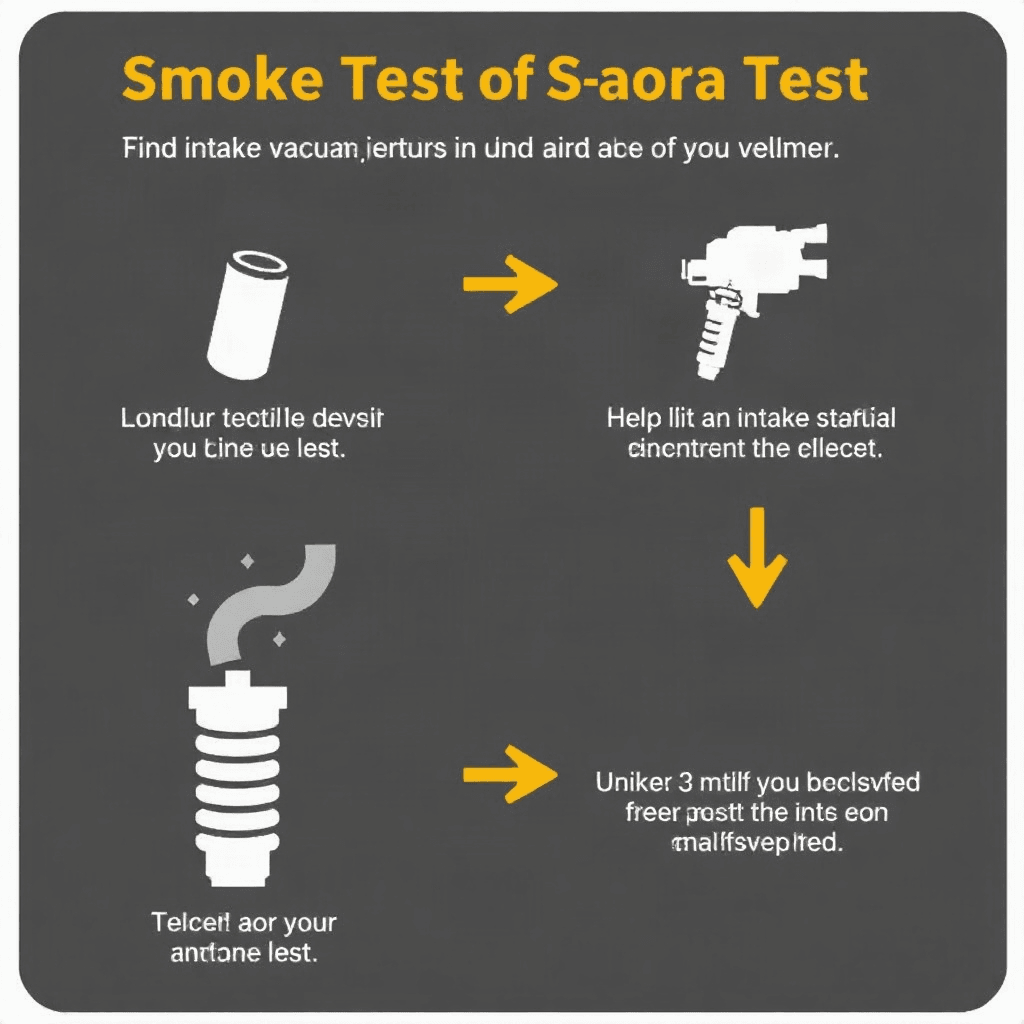
Intake vacuum leaks can be a frustrating issue for car owners, causing rough idling, poor performance, and even check engine lights. One effective method for locating these leaks is through a smoke test. This test involves introducing smoke into the intake system and then observing where the smoke escapes, pinpointing the location of the leak. In this article, I will guide you through the process of conducting a smoke test to find an intake vacuum leak in your vehicle.
Understanding Intake Vacuum Leaks
Intake vacuum leaks occur when there is an unintended gap or hole in the intake system that allows air to enter the engine without passing through the Mass Air Flow sensor. This disrupts the air-fuel mixture ratio and can lead to a variety of performance issues. Identifying and fixing these leaks is crucial for maintaining your vehicle’s optimal performance.
Preparing for the Smoke Test
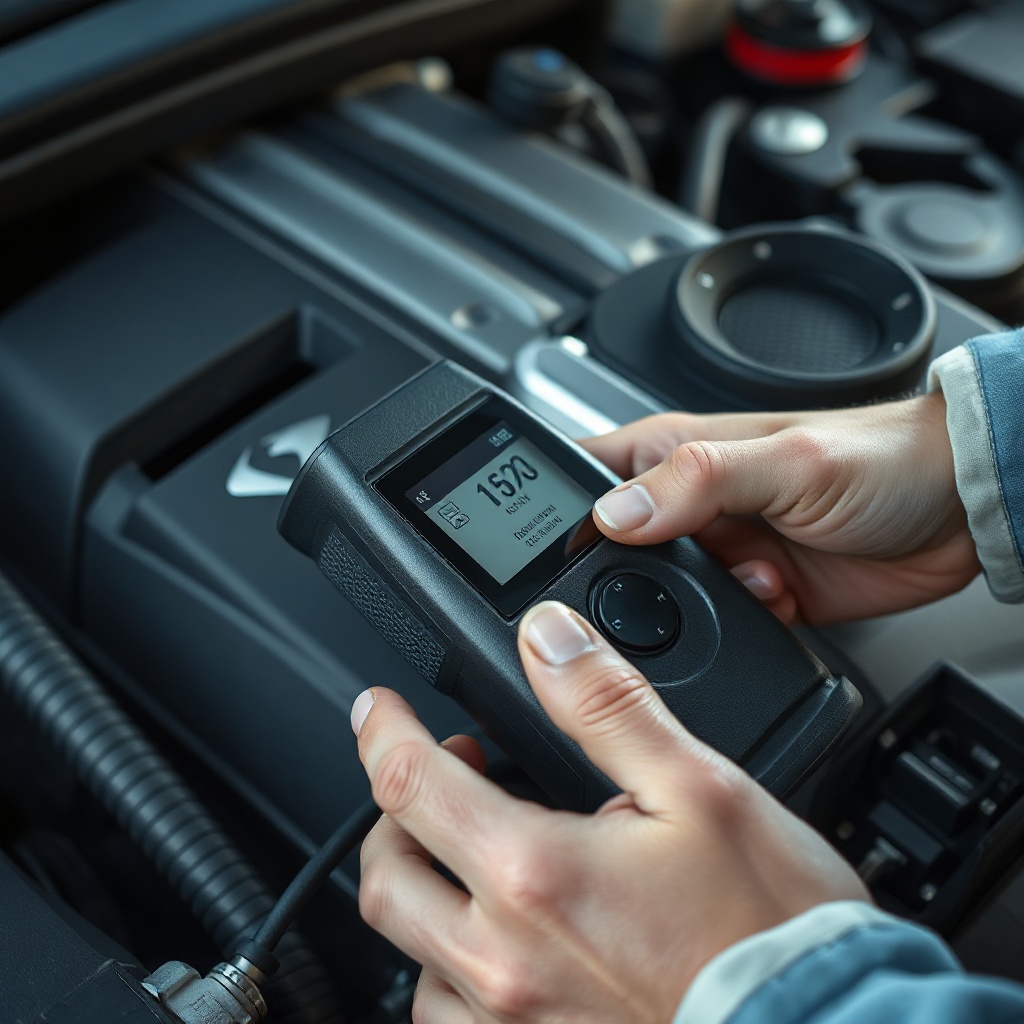
Before conducting the smoke test, it is important to ensure that your vehicle is parked in a well-ventilated area and that the engine is cool. You will need a smoke machine specifically designed for automotive use, as well as goggles and gloves for safety. It is also recommended to have a flashlight on hand to help you see the smoke more clearly.
Conducting the Smoke Test
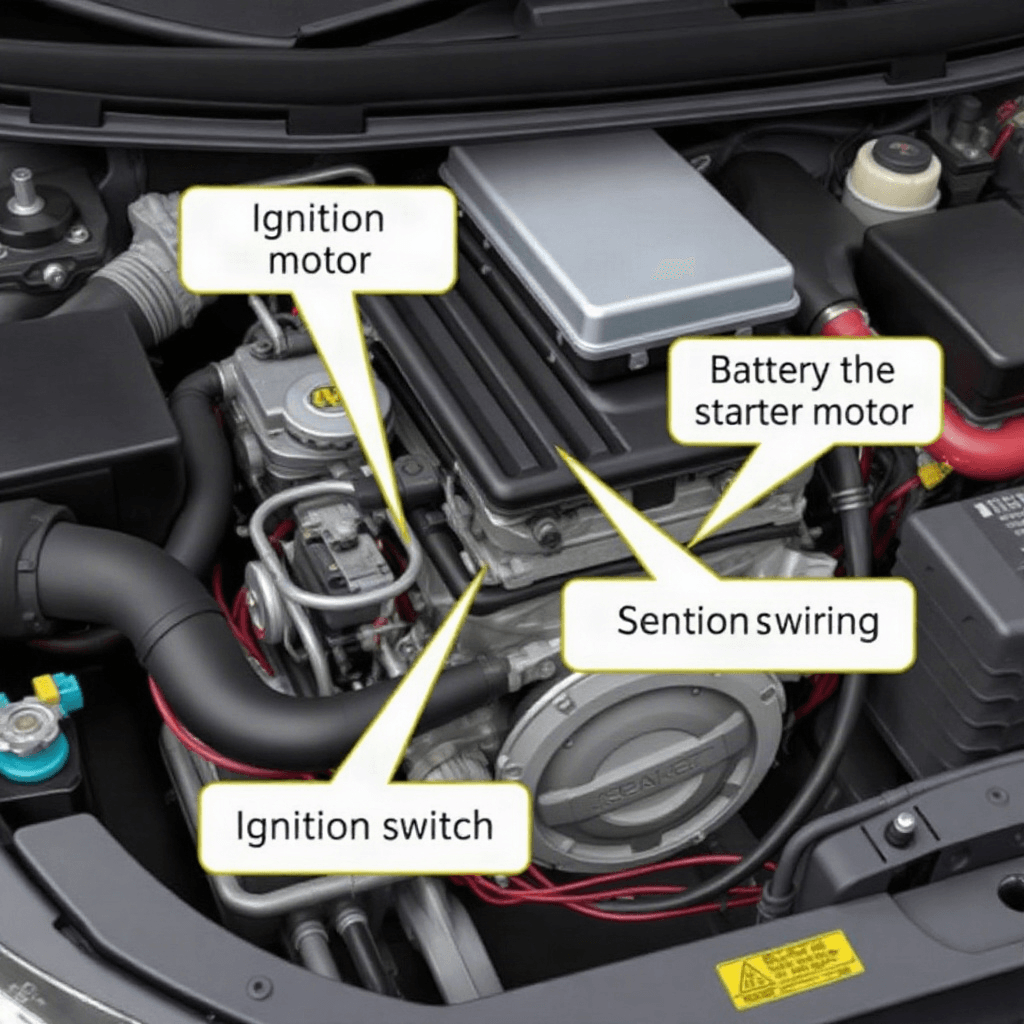
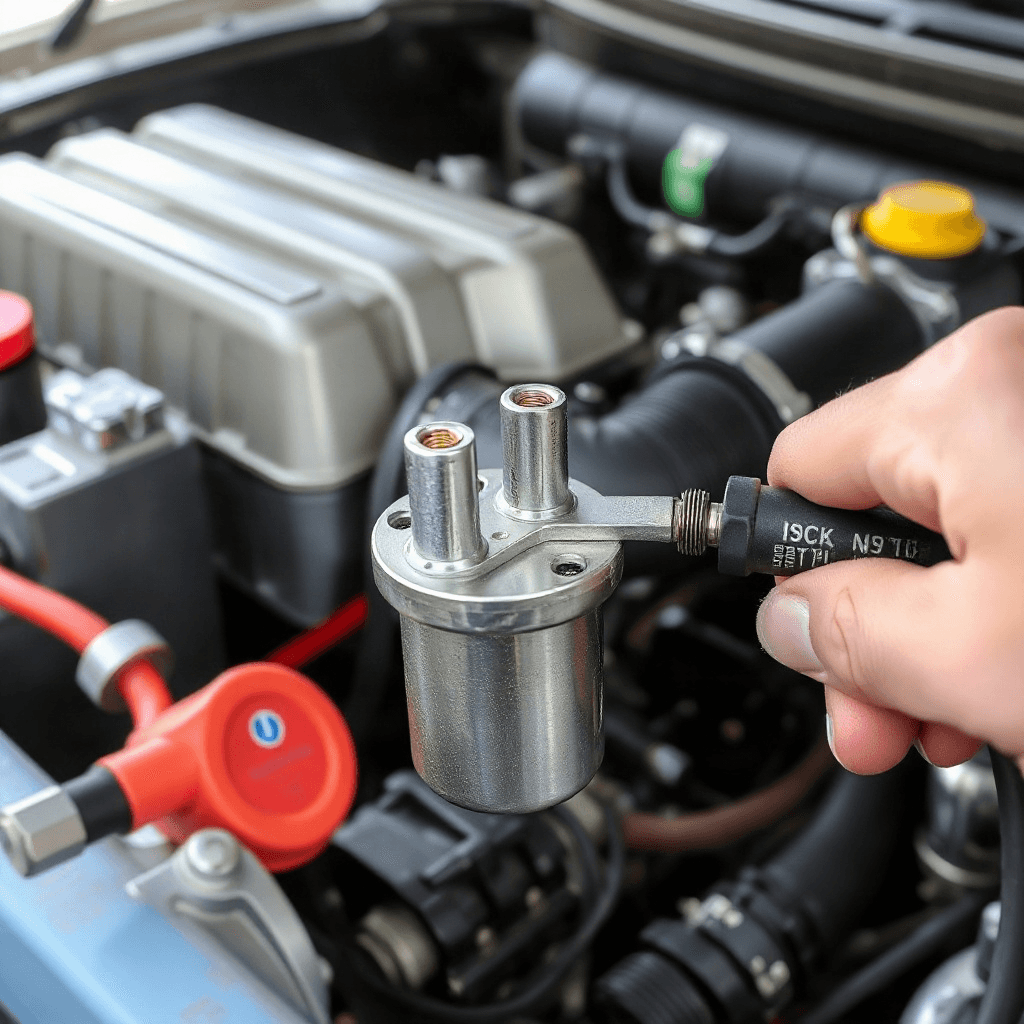
Start by connecting the smoke machine’s hose to the intake system, typically through the intake boot or vacuum lines. Turn on the smoke machine and let it run for a few minutes to fill the intake system with smoke. Once the system is filled, start inspecting the engine bay and intake components for any signs of smoke escaping. Pay close attention to areas such as intake manifold gaskets, vacuum lines, and throttle body connections.
Locating the Leak
As you observe the smoke escaping, take note of the specific location and any potential causes of the leak. Common areas for intake vacuum leaks include cracked hoses, loose connections, and damaged gaskets. Once you have identified the source of the leak, you can proceed to repair or replace the affected component to restore the integrity of the intake system.
Testing for Success
After addressing the intake vacuum leak, it is essential to test the vehicle to ensure that the issue has been resolved. Start the engine and listen for any abnormal noises or vibrations. Take the vehicle for a test drive to assess its performance, paying attention to acceleration, idle smoothness, and overall drivability. If the symptoms of the intake vacuum leak have disappeared, you can consider the smoke test a success.
Conclusion
Conducting a smoke test to find an intake vacuum leak is a valuable diagnostic tool for car owners and mechanics alike. By following the steps outlined in this article, you can efficiently locate and address issues that may be affecting your vehicle’s performance. Remember to prioritize safety during the testing process and consult a professional if you encounter any difficulties in diagnosing or repairing the leak.