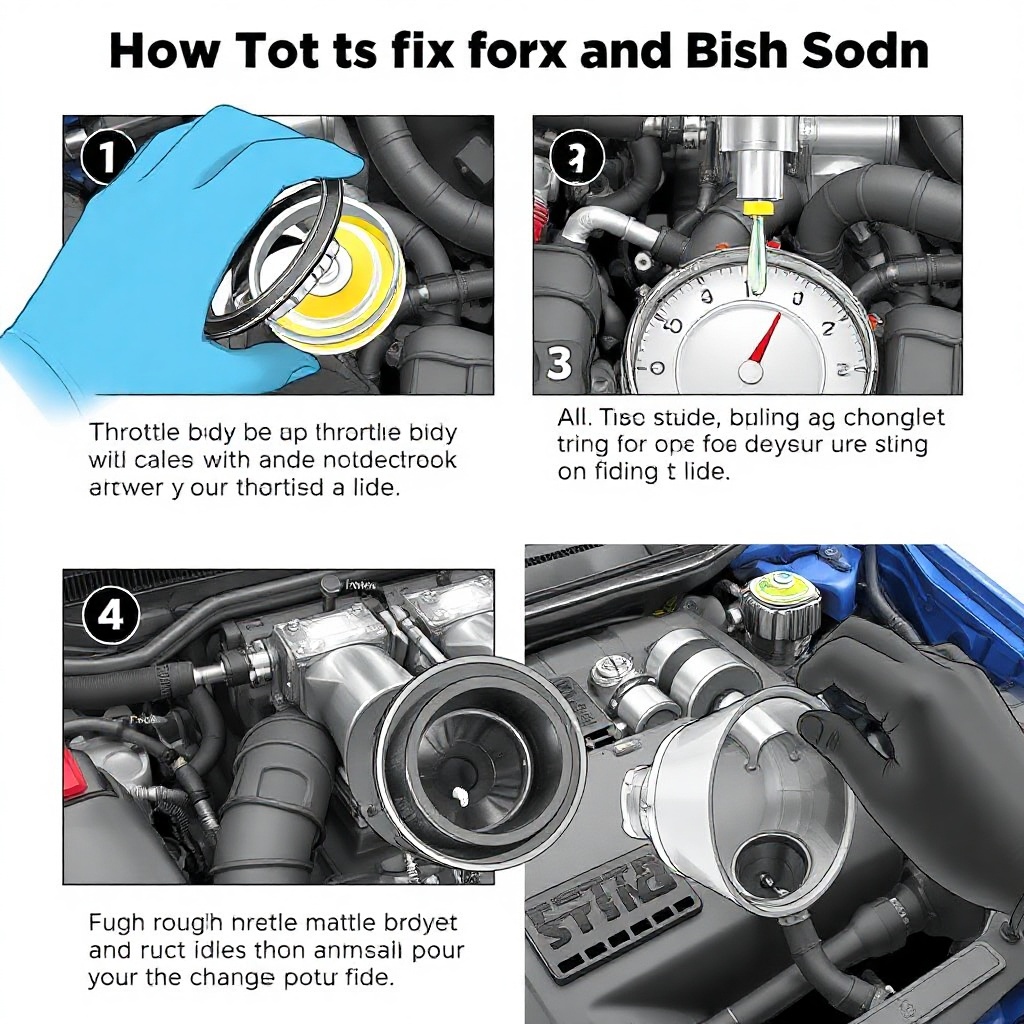
How to Fix Engine Hesitation at Idle
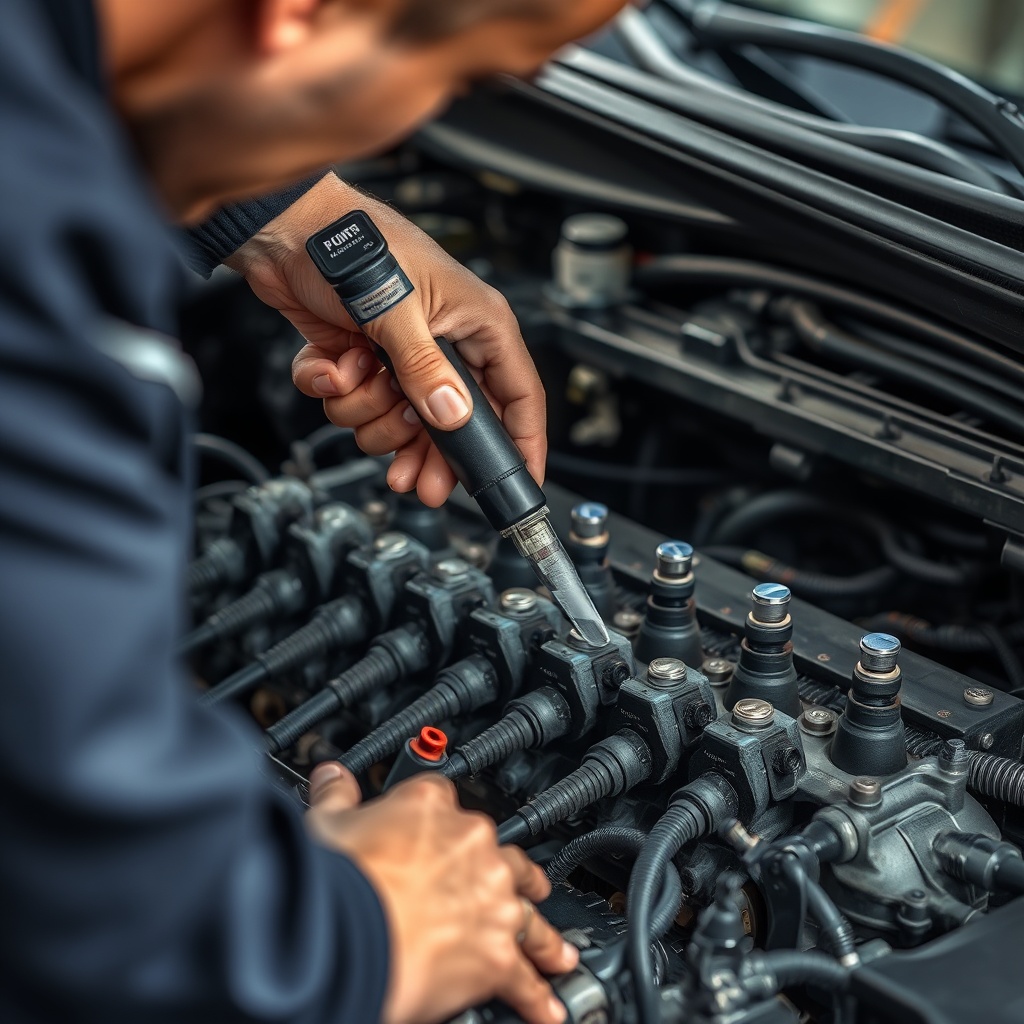
Engine hesitation at idle can be a frustrating issue for many car owners. When your engine hesitates, it can cause your vehicle to shake or vibrate, and even stall in some cases. This problem is often a sign of a larger issue within the engine that needs to be addressed. In this blog post, we will discuss how to fix engine hesitation at idle and get your vehicle running smoothly again.
Understanding the Causes of Engine Hesitation
Engine hesitation at idle can be caused by a variety of factors, including dirty fuel injectors, a faulty throttle position sensor, a clogged air filter, or even a failing fuel pump. It’s important to diagnose the root cause of the issue before attempting to fix it. By understanding the causes of engine hesitation, you can effectively troubleshoot and resolve the problem.
Cleaning the Fuel Injectors
One common cause of engine hesitation is dirty fuel injectors. Over time, fuel injectors can become clogged with dirt and debris, leading to poor fuel delivery and engine performance. To fix this issue, you can use a fuel injector cleaner to clean out the injectors and improve fuel flow. Regularly cleaning your fuel injectors can help prevent engine hesitation and keep your engine running smoothly.
Checking the Throttle Position Sensor
Another potential culprit for engine hesitation is a faulty throttle position sensor. The throttle position sensor monitors the position of the throttle and sends signals to the engine control unit to adjust fuel delivery accordingly. If the sensor is malfunctioning, it can cause the engine to hesitate at idle. To fix this issue, you may need to replace the throttle position sensor and recalibrate it to ensure proper functionality.
Replacing the Air Filter
A clogged air filter can also contribute to engine hesitation at idle. The air filter is responsible for filtering out dirt and debris from the air entering the engine. If the air filter becomes clogged, it can restrict airflow and lead to poor engine performance. By regularly replacing the air filter, you can improve air intake and prevent engine hesitation.
Testing the Fuel Pump
In some cases, engine hesitation at idle may be caused by a failing fuel pump. The fuel pump is responsible for delivering fuel from the tank to the engine, and if it is not functioning properly, it can lead to fuel delivery issues and engine hesitation. To test the fuel pump, you can perform a fuel pressure test to determine if it is operating within the manufacturer’s specifications. If the fuel pump is faulty, you may need to replace it to resolve the engine hesitation issue.
Adjusting the Idle Speed
Adjusting the idle speed can also help fix engine hesitation at idle. The idle speed is the RPM at which the engine operates when the vehicle is stationary. If the idle speed is too low, it can cause the engine to hesitate and stall. By adjusting the idle speed to the manufacturer’s specifications, you can ensure smooth engine performance at idle and prevent hesitation.