How to Fix Check Engine Light
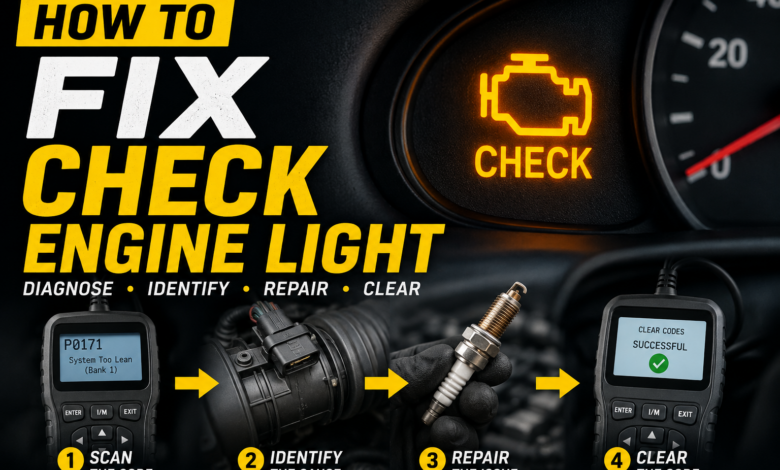
The illumination of the check engine light serves as a critical indicator of potential maladjustments within a vehicle’s intricate mechanical and electronic systems. As one of the primary messages alerting drivers to underlying issues, understanding its significance is essential for both vehicle longevity and optimal performance. This blog post aims to meticulously dissect the diagnostic procedures and troubleshoot methodologies associated with the activation of the check engine light. By examining common causes and articulating effective troubleshooting strategies, we not only equip ourselves with the knowledge necessary for initial assessment but also emphasize the importance of distinguishing between minor inconveniences and severe mechanical failures. Furthermore, the exploration will extend to the prudent choice of seeking professional assistance and implementing preventative measures—ensuring that both novice and seasoned drivers can navigate the complexities of vehicular maintenance with confidence and competence.
Understanding the Significance of the Check Engine Light Activation
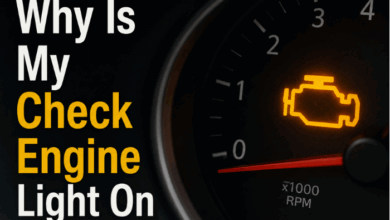
The illumination of the check engine light serves as a pivotal indicator within vehicle diagnostics, often signifying underlying mechanical issues that warrant immediate attention. As an integral component of a car’s onboard diagnostics system (OBD), this alert is programmed to activate when the engine control unit (ECU) detects anomalies in various performance metrics. Such irregularities can range from minor to severe, encapsulating a diverse spectrum of potential malfunctions.
Key Points on Significance:
| Aspect | Description |
|---|---|
| Early Detection | By indicating faults early, the light prevents exacerbation of minor issues into serious problems. |
| Safety Implications | Ignoring warnings may compromise vehicle safety, leading to potential hazards during operation. |
| Environmental Impact | Malfunctioning engines often contribute to heightened emissions, contravening regulatory standards. |
| Diagnostic Insights | The light aids in diagnostic efforts, providing mechanics with critical starting points for troubleshooting. |
Understanding the significance of this activation is crucial in discerning the health of a vehicle. Notably, timely responses to such warnings can mitigate repair costs and enhance overall vehicle longevity. Awareness of this indicator empowers vehicle owners to engage with their cars’ intricate systems more knowledgeably, reinforcing the symbiotic relationship between driver and vehicle. Thus, the light not only prompts action but serves as a vital tool in the ongoing maintenance of automotive health.
Diagnostic Procedures for Check Engine Light Issues
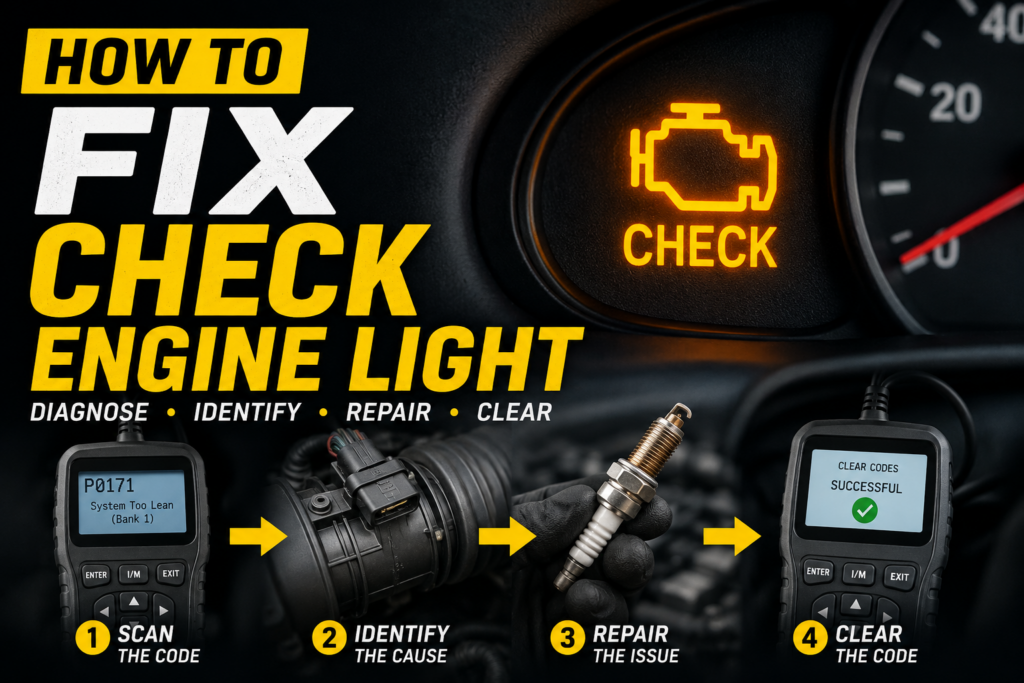
The activation of the check engine light necessitates a systematic diagnostic approach to ascertain the underlying issue. Proficient diagnosis is imperative, as it can significantly mitigate the risk of further vehicular damage and assure optimal performance. Below is a structured outline of the diagnostic procedures that should be implemented:
| Diagnostic Step | Description |
|---|---|
| 1. Initial Visual Inspection | Thoroughly examine the engine bay for visible issues such as loose wires, damaged hoses, or fluid leaks. |
| 2. Scan Tool Usage | Utilize an OBD-II scanner to retrieve Diagnostic Trouble Codes (DTCs) from the vehicle’s computer system. This crucial step provides specific codes to direct the diagnostic process. |
| 3. Code Analysis | Analyze the codes generated to comprehend the potential faults within the vehicle’s systems, such as the engine, transmission, or emissions. |
| 4. Evaluate Freeze Frame Data | Review freeze frame data associated with the DTCs; this offers insights into the vehicle’s operating conditions at the time the error occurred. |
| 5. Testing Components | Conduct targeted tests on the identified components linked to error codes, which may include oxygen sensors, mass airflow meters, and ignition systems. |
| 6. Inspect Fuel and Emission Systems | Assess the fuel and emission systems as they often induce operational inconsistencies that trigger warning signals. |
By employing these procedural steps, motorists and technicians can systematically diagnose issues prompting the warning signal. Failure to adhere to an organized diagnostic framework may result in misinterpretation of the vehicle’s ailments, leading to inappropriate repairs. Thus, a meticulous approach not only facilitates precise identification but also ensures adherence to best practices in automotive maintenance.
Common Causes of Check Engine Light Illumination
The illumination of the check engine light serves as a critical indicator of automotive health, signaling issues that can range from benign to severe. Understanding these underlying causes is essential for effective vehicle maintenance.
1. Oxygen Sensor Failure: The oxygen sensor measures the amount of unburned oxygen in the exhaust and plays a pivotal role in the engine’s fuel efficiency. A malfunctioning sensor can lead to increased fuel consumption and deteriorating performance.
2. Loose or Damaged Gas Cap: Surprisingly, an improperly secured or damaged gas cap can trigger the warning light. This minor issue not only affects fuel economy but can also lead to evaporative emissions system failures.
3. Catalytic Converter Problems: This component is crucial for reducing harmful emissions. If the catalytic converter is malfunctioning, it can result in poor engine performance and increased emissions, often requiring costly repairs.
4. Mass Airflow Sensor Failure: The mass airflow sensor ensures the optimal air-fuel mixture for combustion. If this sensor fails, it can provoke engine stalling, poor acceleration, and even reduced power.
5. Spark Plug Issues: Worn or damaged spark plugs can disrupt ignition, leading to engine misfires and diminished performance, driving the necessity for immediate replacement.
| Cause | Symptoms | Potential Consequences |
|---|---|---|
| Oxygen Sensor Failure | Increased fuel consumption | Poor performance, engine damage |
| Loose/Damaged Gas Cap | Light illumination | Evaporative emission failures |
| Catalytic Converter Problems | Poor engine performance | Costly repairs, increased emissions |
| Mass Airflow Sensor Failure | Engine stalling, poor acceleration | Reduced power, potential engine damage |
| Spark Plug Issues | Engine misfires, diminished performance | Poor fuel efficiency, engine damage |
Identifying these common issues allows vehicle owners to take measured actions, thereby mitigating the possible ramifications. It is crucial to address the check engine light promptly to ensure the enduring health and performance of the vehicle.
Implementing Effective Troubleshooting Strategies
Effectively troubleshooting a check engine light activation is imperative for maintaining vehicle performance and ensuring safety. Employing systematic approaches allows one to discern the underlying issues efficiently. Below are some strategic methodologies to consider:
1. Code Reading Utilizing an On-Board Diagnostics (OBD-II) scanner is essential to retrieve error codes from the vehicle’s computer system. Modern cars are equipped with this diagnostic port, which can provide specific codes that indicate the malfunctioning components.
2. Visual Inspection Conducting a thorough visual examination of the engine bay can reveal several potential issues, such as worn-out hoses, loose connections, or leaking fluids. By focusing on these areas, one might identify problems that can be rectified without advanced technical skills.
| Troubleshooting Step | Description |
|---|---|
| Code Reading | Use OBD-II scanner to identify error codes. |
| Visual Inspection | Examine for wear and tear in hoses and components. |
| Battery Health Check | Ensure battery terminals are clean and connections secure. |
| Fuel System Check | Confirm sufficient fuel levels and inspect injectors. |
| Monitor Sensor Functionality | Test oxygen sensors and catalytic converters. |
3. Sensor Diagnostics Sensors play a pivotal role in the overall functioning of the vehicle. Thus, it is essential to check for malfunctions in critical sensors such as the Mass Air Flow (MAF) sensor or the oxygen sensors as indicated by the diagnostic codes.
4. Consult Manufacturer Resources Vehicle manufacturers often provide troubleshooting guides that can serve as a valuable resource. These documents can offer insight into vehicle-specific issues and recommended actions.
By employing these systematic troubleshooting strategies, vehicle owners can proactively address check engine light issues, potentially saving time and costly repairs while enhancing their understanding of automotive functionality.
When to Seek Professional Assistance for Check Engine Light
Recognizing the appropriate moments to seek professional assistance regarding the check engine light is imperative for maintaining vehicle health. While some minor issues might be resolved independently, several indicators suggest that intervention from a certified professional is necessary.
Key Indicators Necessitating Professional Help:
| Indicator | Implication |
|---|---|
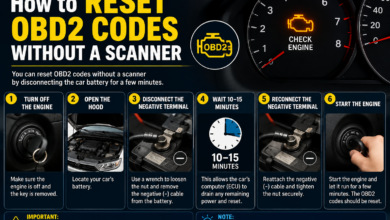
| Persistent Illumination | If the light remains illuminated after attempting resets. |
| Fluctuating Engine Performance | Noticeable loss of power, odd noises, or rough idling. |
| Erratic Behavior or Warning Signals | Accompanying symptoms such as overheating or strange smells. |
| Active Dashboard Warnings | Additional warning lights on the dashboard indicating further issues. |
| Recent Modification or Repair | After major repairs or modifications, professional analysis is crucial to ensure compatibility. |
The implications of neglecting these signals can result in severe mechanical issues or safety hazards. Furthermore, the complexity of modern vehicles means that diagnostic codes generated by onboard computers often require specialized knowledge and equipment to interpret accurately.
Thus, consultation with a certified technician becomes a prudent choice, as they possess the expertise to conduct comprehensive diagnostics, interpret trouble codes, and recommend appropriate remedies. In summary, when faced with any of the above indicators, prioritizing professional assessment not only safeguards the vehicle’s longevity but also enhances overall safety for the driver and passengers.
Preventative Measures to Mitigate Future Check Engine Light Occurrences
In order to minimize the likelihood of encountering issues that trigger the check engine light, it is imperative to adopt a proactive approach that encompasses routine maintenance and vigilant monitoring of vehicle performance.
Regular Maintenance: Adhering to a consistent maintenance schedule is paramount. Regular oil changes, air filter replacements, and coolant level checks are essential practices that contribute to optimal engine performance. Moreover, ensuring that the fuel system is clean and functioning effectively can significantly reduce the incidence of warning signals arising from fuel delivery issues.
Monitoring Driving Behavior: Driving habits considerably influence vehicle health. Aggressive acceleration, frequent abrupt braking, and excessive idling can place undue strain on mechanical components. By promoting smoother driving practices, car owners can reduce wear and tear, thus diminishing potential activation of warning lights.
Comparison of Preventative Strategies
| Preventative Measure | Description | Frequency |
|---|---|---|
| Regular Maintenance | Scheduled checks and fluid changes for optimal vehicle performance. | Every 3,000 to 5,000 miles |
| Fuel Additives | Use quality fuel to maintain engine functionality and cleanliness. | Monthly |
| Tire Maintenance | Regular tire rotations and alignments to enhance fuel efficiency. | Every 6,000 miles |
| Onboard Diagnostics | Utilize OBD-II scanners to monitor error codes proactively. | Monthly |
Adopting Advanced Technologies: Modern vehicles are equipped with sophisticated onboard diagnostics that can be employed to preemptively identify issues before they culminate in warning light activation. Utilizing these tools not only increases awareness of potential malfunctions but also empowers drivers to rectify minor issues before they escalate.
By implementing these strategies, vehicle owners can considerably mitigate the risk of encountering future abnormalities that lead to dashboard alerts. Ultimately, staying vigilant in maintenance and driving practices is imperative for long-term vehicle health and operational efficiency.
Frequently Asked Questions
What are the common reasons for the check engine light to illuminate?
The illumination of the check engine light is indicative of various underlying issues within the vehicle’s complex operational systems. Common reasons include a malfunctioning oxygen sensor, which plays a critical role in regulating fuel efficiency; a loose or damaged gas cap, leading to fuel vapor leaks; catalytic converter failure, which hinders exhaust processing; and ignition system failures like spark plug issues. It is essential to employ diagnostic tools to verify these concerns and ascertain the exact cause.
How can I diagnose the cause of my check engine light?
Diagnostic procedures for identifying the cause of a check engine light typically involve utilizing an On-Board Diagnostics II (OBD-II) scanner. This tool connects to the vehicle’s diagnostic port, retrieving error codes that correspond to specific malfunctions within the engine or associated systems. Moreover, interpreting these codes requires an understanding of automotive diagnostics and the relevant systems at play, thus enabling a precise understanding of the underlying issue. Some symptoms to observe include unusual noises or performance variations, which can further guide troubleshooting efforts.
Is it safe to drive with the check engine light on?
Driving with the check engine light illuminated is a profoundly nuanced decision, as it often signifies a range of potential mechanical issues. While some discrepancies may be minor, such as a loose gas cap, others may indicate severe complications, including engine misfires or significant emission failures. If accompanied by additional warning signs—such as decreased performance, unusual engine noises, or smoking—it is prudent to refrain from operating the vehicle until it has been thoroughly assessed by a qualified technician, as continued driving could exacerbate the condition.
What steps should I take after the check engine light turns off on its own?
When the check engine light extinguishes spontaneously, it is imperative to approach the situation with cautious optimism. Initially, conduct a thorough visual inspection to ensure no persistent issues are present, such as noises or fluid leaks. Following this, a professional diagnostic check should ideally be completed, as certain conditions may intermittently trigger the light. Maintaining detailed records of any occurrences and corresponding repairs can provide valuable insight for future diagnostics and ensure that the vehicle’s electrical and operational systems function optimally.