C0045: Left Rear Wheel Speed Sensor Circuit Malfunction
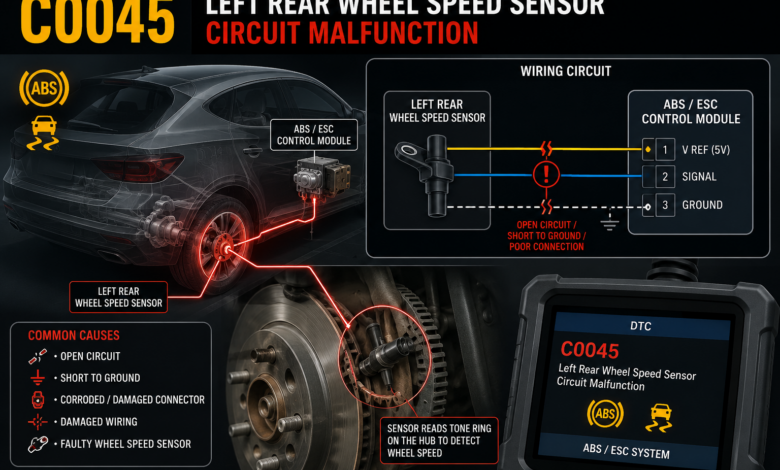
In the intricate realm of automotive diagnostics, the C0045 code emerges as a significant indicator of malfunctions associated with the left rear wheel speed sensor circuit. This code not only reflects the complexities of modern vehicular technology but also highlights the pivotal role of wheel speed sensors in ensuring optimal vehicle performance and safety. These sensors are integral components within the anti-lock braking system (ABS), contributing to the stability and control of vehicles during dynamic conditions. An understanding of the mechanisms underpinning the left rear wheel speed sensor circuit, coupled with an exploration of the potential diagnostic challenges and implications of the C0045 code, is essential for both automotive professionals and enthusiasts alike. This blog post delves into the nuances of the C0045 code, examining its causes, diagnostic procedures, and preventive measures to mitigate its impact on vehicular reliability.
Understanding the C0045 Code: An Overview of Wheel Speed Sensors
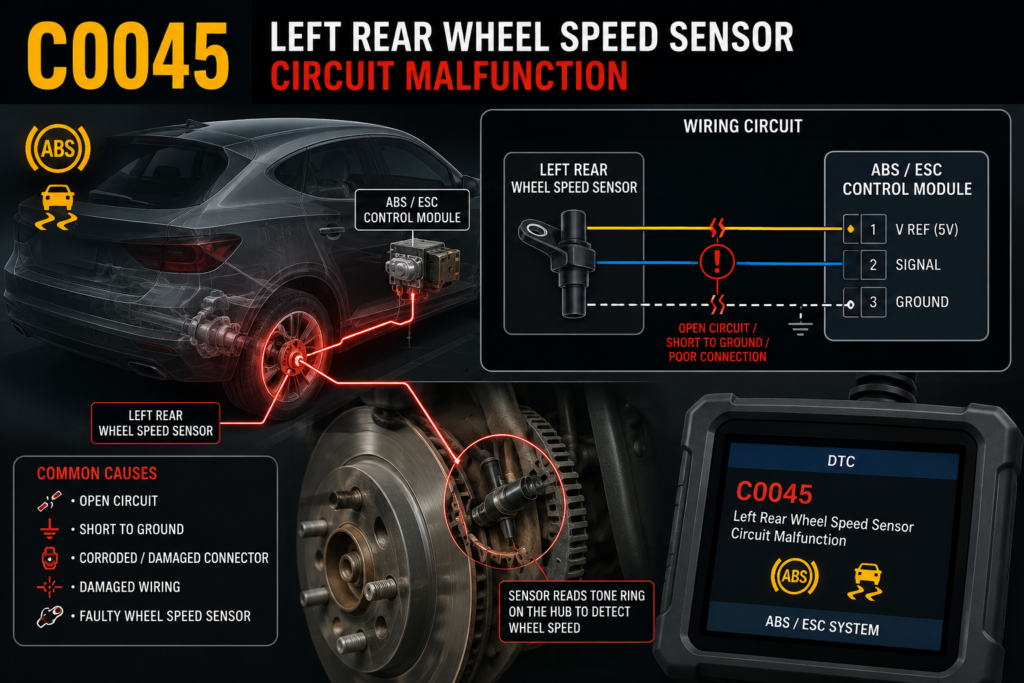
The C0045 code is a diagnostic trouble code (DTC) that denotes a malfunction within the left rear wheel speed sensor circuit. Wheel speed sensors are integral components of modern vehicles, primarily involved in monitoring the rotational speed of each wheel. This data is crucial for several vehicle systems, including the anti-lock braking system (ABS) and traction control system (TCS), which enhance vehicle safety and performance.
Key Functions of Wheel Speed Sensors:
| Function | Description |
|---|---|
| Speed Measurement | Sensors detect and relay wheel rotation speed to the vehicle’s electronic control unit (ECU). |
| ABS Functionality | They prevent wheel lock-up during braking by modulating brake pressure based on wheel speed. |
| Stability Control | Help maintain vehicle stability by adjusting power to individual wheels during dynamic conditions. |
| Traction Control | Ensure optimal traction by regulating engine power delivery based on wheel slip. |
The wheel speed sensors operate through various technologies, including magnetic, hall-effect, and optical sensors. Each type utilizes different methodologies; however, the overall aim remains consistent—providing immediate feedback to the vehicle’s computer for real-time adjustments.
Malfunctions in these sensors can arise from several sources, such as electrical shorts, damaged wiring, or physical obstructions. Consequently, understanding the role and functionality of wheel speed sensors is paramount in diagnosing and remedying the C0045 code effectively, thus safeguarding vehicle performance and ensuring driver safety.
The Mechanisms Behind the Left Rear Wheel Speed Sensor Circuit
Understanding the C0045 code necessitates a comprehensive exploration of the mechanical and electronic components that interplay within the left rear wheel speed sensor circuit. Wheel speed sensors serve as vital components in vehicle dynamics, monitoring the rotational speed of each wheel and relaying this information to the vehicle’s electronic control unit (ECU). This data is essential for implementing safety features such as anti-lock braking systems (ABS) and traction control.
The operation of the left rear wheel speed sensor involves magnetic or Hall effect principles, wherein a magnetically sensitive element generates a voltage signal proportional to wheel speed. As the wheel rotates, the sensor picks up changes in the magnetic field due to the wheel’s position relative to a stationary or moving part, typically a toothed ring or reluctor wheel. The generated signal is transmitted to the ECU, which processes the information to maintain optimal vehicle handling and stability.
The ramifications of a malfunctioning left rear wheel speed sensor can be significant. Such defects often stem from key factors as outlined below:
| Key Factor | Description |
|---|---|
| Wiring Damage | Frayed or broken wires can disrupt signal transmission. |
| Corrosion | Moisture can lead to corrosion of connections and sensor components. |
| Sensor Misalignment | Improper alignment can result in erroneous readings. |
| Debris Accumulation | Dirt or grease interference may impede sensor function. |
An in-depth understanding of these mechanisms is crucial for diagnosing the C0045 code effectively, allowing for targeted interventions to restore proper functionality and safeguard vehicle safety.
Common Causes of C0045 Code Diagnosis and Their Implications
The C0045 code typically indicates a malfunction within the left rear wheel speed sensor circuit, which is pivotal for maintaining vehicle stability and safety. Several factors may contribute to the emergence of this diagnostic trouble code (DTC), each carrying significant implications for vehicle performance.
1. Wiring Issues:
Firstly, damaged or corroded wiring can lead to intermittent connections, resulting in a misreading of the wheel speed sensor’s data. Such electrical malfunctions may provoke erratic braking responses, jeopardizing the driver’s control.
2. Sensor Malfunction:
Secondly, a defective wheel speed sensor itself may fail to produce accurate readings, often due to wear and tear. This failure can inhibit the anti-lock braking system (ABS) and traction control, increasing the risk of wheel lock-up during critical driving situations.
| Cause | Implications |
|---|---|
| Wiring Issues | Erratic braking, loss of stability and control |
| Sensor Malfunction | Impaired ABS and traction control |
3. Contamination:
Furthermore, debris or contaminants on the sensor can obstruct its functionality. This physical interference often leads to inconsistent readings that misguide the vehicle’s computerized systems, necessitating immediate maintenance.
4. Issues with the ABS Module:
Lastly, faultiness within the ABS module could signal broader electrical or computational errors, complicating rescues in critical braking situations. Thus, diagnosing the C0045 code requires comprehensive examination to address not only localized sensor issues but also potential systemic failures.
In summary, each of these causes has far-reaching implications for vehicle performance, safety, and reliability. Addressing the C0045 code promptly can mitigate risks associated with impaired braking and control systems, ensuring a safer driving experience.
Diagnostic Procedures for Identifying C0045 Code Symptoms
The identification of the C0045 code necessitates a systematic and thorough diagnostic approach, as it pertains to the left rear wheel speed sensor circuit malfunction. By utilizing an array of diagnostic procedures, mechanics can ascertain the root cause of the issue and implement appropriate remedies.
Primary Diagnostic Steps:
| Step | Description |
|---|---|
| 1. Initial Inspection | Conduct a visual examination of the left rear wheel speed sensor and its associated wiring and connectors for any signs of damage or corrosion. |
| 2. Diagnostic Scan | Utilize an OBD-II scanner to extract the C0045 code along with any additional trouble codes that may be present, providing a broader context for the issue. |
| 3. Voltage Testing | Measure the voltage at the wheel speed sensor harness while the vehicle is in operation. A discrepancy from the manufacturer’s specifications may indicate a faulty sensor. |
| 4. Continuity Test | Perform a continuity test on the wiring harness between the sensor and the vehicle’s control module to ensure that there are no breaks or short circuits. |
| 5. Sensor Resistance Check | Test the resistance of the sensor itself; an abnormal reading suggests a malfunction that necessitates replacement. |
Employing these procedures effectively aids in distinguishing potential causes of the C0045 code and ultimately enhances the accuracy of diagnostics. It is essential to note that any findings should be corroborated with manufacturer specifications to ensure the integrity of the assessment, thereby affecting both vehicle performance and safety. As such, meticulous adherence to established diagnostic protocols is imperative in effectively addressing the complexities surrounding the C0045 code.
The Impact of C0045 Code on Vehicle Performance and Safety
The C0045 code serves as a critical indicator of potential malfunctions within the left rear wheel speed sensor circuit, which can profoundly affect both vehicle performance and safety. Consequently, understanding the ramifications of this diagnostic code is essential for maintaining optimal vehicular operation.
1. Vehicle Performance Implications:
The left rear wheel speed sensor plays a significant role in the anti-lock braking system (ABS) and traction control systems. A malfunction can lead to impaired brake performance, causing longer stopping distances. Elevated risks of wheel spin or loss of traction during acceleration on slippery surfaces further exacerbate performance issues, potentially endangering occupants.
2. Safety Concerns:
From a safety perspective, the C0045 code signifies a disruption in the vehicle’s ability to accurately assess wheel speed data. This disruption can yield incorrect responses from the ABS and traction control systems, compromising a driver’s control during critical driving situations. Additionally, the failure of these safety systems markedly increases the likelihood of accidents.
3. System Efficiency:
Dysfunctional wheel speed sensors may also result in the vehicle entering failsafe modes, wherein powertrain efficiency diminishes. Engine control modules may default settings to prioritize safety, affecting fuel efficiency and accelerating wear of other components due to miscalibrated performance parameters.
Overall, the ramifications of the C0045 code are multi-faceted, extending from reduced vehicle performance to undermining driver safety. Addressing this diagnostic trouble code should be prioritized to ensure both optimal functionality and safety of the vehicle.
| Aspect | Impact of C0045 Code |
|---|---|
| Vehicle Performance | Reduced braking efficiency and longer stopping distances |
| Safety Concerns | Increased risk of loss of control and accidents |
| System Efficiency | Engine may revert to failsafe mode, reducing fuel efficiency |
Preventive Measures and Solutions for C0045 Code Issues
Understanding and mitigating the implications of the C0045 code necessitates a multifaceted approach toward preventive measures and solutions. Regular maintenance of a vehicle’s braking and wheel-speed sensor systems is pivotal in forestalling the emergence of the C0045 code.
1. Routine Inspections: Conduct comprehensive inspections at intervals specified in the vehicle’s owner’s manual. Pay particular attention to the wiring harness, connectors, and the integrity of the wheel speed sensors.
2. Quality Components: Utilize high-quality, OEM (Original Equipment Manufacturer)-specified components during replacements. Subpar parts may exacerbate issues related to the wheel speed sensor circuit, leading to erroneous code readings.
3. Environmental Awareness: Recognize the effects of environmental factors. Exposure to water, mud, or road salt can deteriorate connections and components. Implement protective measures, such as applying sealants on vulnerable parts, to minimize environmental interference.
4. Diagnostic Tools Utilization: Adopt advanced diagnostic tools and software to monitor sensor performance actively. Early detection of irregularities could prevent more severe malfunctions and the eventual triggering of the C0045 code.
5. Professional Assistance: Engage certified technicians for regular checks and repairs. Expertise not only assures precision in diagnosis but also bolsters overall vehicle health, ultimately enhancing operational safety.
By implementing these systematic preventive measures, vehicle owners can significantly reduce the likelihood of encountering the C0045 code while ensuring effective and safe vehicular performance.
Frequently Asked Questions
What is a left rear wheel speed sensor and what role does it play in a vehicle’s operation?
The left rear wheel speed sensor is a critical component of a vehicle’s anti-lock braking system (ABS) and traction control system. It functions by monitoring the rotational speed of the left rear wheel and conveys this data to the vehicle’s electronic control unit (ECU). The ECU utilizes this information to determine the wheel’s speed for various purposes, including adjusting braking pressure during ABS engagement to prevent wheel lockup during sudden stops, facilitating optimum traction under slippery conditions, and ensuring overall vehicle stability. Any malfunction in this sensor disrupts the accurate data feed, potentially leading to impaired braking efficacy and increased risk of loss of control.
What are the common symptoms associated with a malfunctioning left rear wheel speed sensor?
A malfunctioning left rear wheel speed sensor may elicit several palpable symptoms that can signify underlying issues. Typically, drivers may notice the illumination of the ABS warning light on the dashboard, indicating a fault within the braking system. Additional symptoms may include erratic or inconsistent speedometer readings, potentially manifesting as a failure in the traction control system, resulting in diminished vehicle traction or control on slippery surfaces. Moreover, there may be audible warnings or vibrations felt through the brakes, as the system struggles to recalibrate the braking response. Collectively, these symptoms necessitate immediate diagnostic attention, as they may compromise vehicle safety.
How can one diagnose a malfunction in the left rear wheel speed sensor?
Diagnosing a malfunction in the left rear wheel speed sensor involves a multifaceted approach typically performed by qualified automotive technicians. It commences with the utilization of an advanced diagnostic scanner that interfaces with the vehicle’s onboard computer system, assessing for any trouble codes associated with the ABS or traction control systems. Visual inspections are also conducted to examine the physical condition of the sensor wiring and connectors for signs of wear, corrosion, or damage. Furthermore, technicians may use a multimeter to test the electrical resistance and functionality of the sensor itself, assessing its responsiveness through the rotational motion of the wheel. If deemed necessary, a comparison with the right rear wheel sensor readings may reveal discrepancies that further corroborate a fault.
What are the implications of ignoring a left rear wheel speed sensor circuit malfunction?
Ignoring a left rear wheel speed sensor circuit malfunction can culminate in grave implications for vehicular safety and performance. Primarily, a dysfunctional sensor inhibits the ABS system from determining wheel slip or traction loss, thereby mitigating the vehicle’s ability to respond effectively in emergency braking situations. This condition can precipitate increased stopping distances and enhance the risk of skidding or loss of control, particularly on wet or icy road surfaces. Additionally, long-term neglect may result in compounded mechanical failures, straining not only the ABS system but also affecting the overall braking performance. Ultimately, the failure to address such an anomaly undermines driver safety and poses risks not only to the vehicle operator but also to other road users.